Boken Insight - Grundnivå - Enhet 7 - 7D
Här hittar du ordförrådet från Enhet 7 - 7D i Insight Elementary kursboken, såsom "blåmärke", "yr", "ont i halsen", etc.
Recension
Flashcards
Stavning
Quiz


the general condition of a person's mind or body
hälsa, välbefinnande
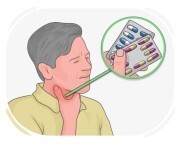
a medicine that kills or stops the growth of bacteria
antibiotikum, antibakteriellt läkemedel
Överanvändning av antibiotika kan orsaka resistens.

a piece of cloth that is put around a wound to prevent infections
bandage, förband
Han hade alltid en första hjälpen-låda med extra bandage i sin bil för mindre skador under vandring.
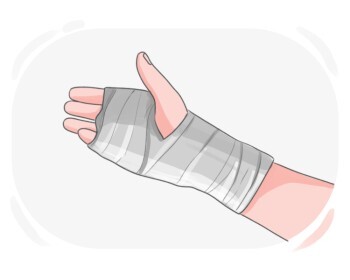
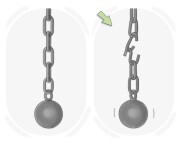
(of a thing) physically divided into pieces, because of being damaged, dropped, etc.
trasig, sönder
Stormen lämnade en spår av förstörelse, med brutna grenar och fallna träd överallt.
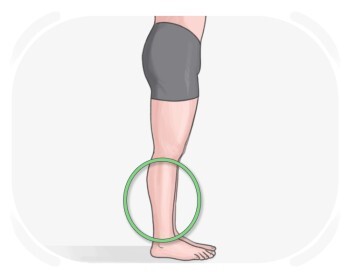
each of the two long body parts that we use when we walk
ben
Hon kände en kramp i sitt ben efter att ha sprungit länge.
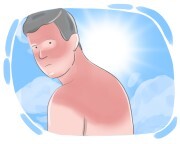
a change in skin color or condition caused by exposure to the sun's rays, resulting in a reddish or brownish appearance
solbränna, brännskada
Hennes ljusa hud är benägen att bränna sig även vid kort exponering för solen.
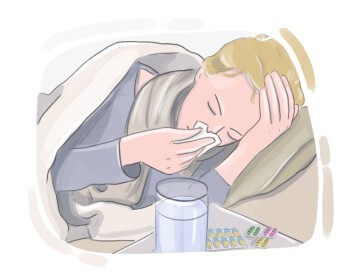
a mild disease that we usually get when viruses affect our body and make us cough, sneeze, or have fever
förkylning, snuvа
Hon kan inte sluta hosta, det måste vara en förkylning.
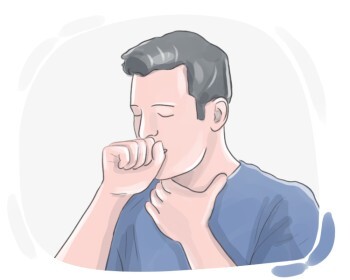
the action of air coming out of our mouth with force
hosta, hostattack
Jag tror att den kalla luften gör min hosta värre.
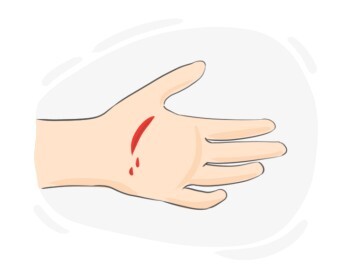
a break or opening in the skin or flesh, often caused by a sharp object or injury
skärsår, sår
unable to keep one's balance and feeling as though everything is circling around one, caused by an illness or looking down from a high place
yr, svindlande
Vertigo kan få individer att känna sig yr som om rummet snurrar runt dem.
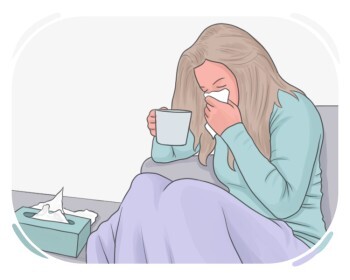
an infectious disease similar to a bad cold, causing fever and severe pain
influensa
Jag fick influensa och var tvungen att stanna hemma i en vecka.
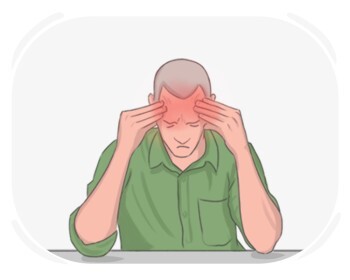
a pain in the head, usually persistent
huvudvärk
Hon får ofta huvudvärk när hon är trött.
the action of putting a drug into a person's body using a syringe
injektion, spruta
Veterinären gav hunden en spruta för att behandla infektionen i dess tass.
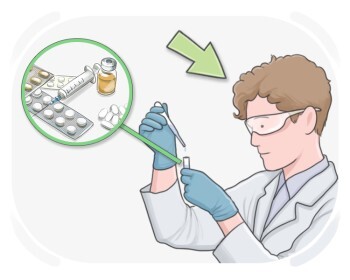
the field of science that is concerned with treating injuries and diseases
medicin
Traditionell medicin kompletterar ofta moderna metoder, med många patienter som söker alternativa terapier tillsammans med konventionella behandlingar för holistisk läkning.
a type of medicine that is used to reduce or relieve pain
smärtstillande, värkstillande
De diskuterade de möjliga biverkningarna av smärtstillande medel med apotekaren.

a small medical dressing that one can stick over a wound or cut in order to keep it clean and protect it
plåster, sårplåster
Plåstret höll såren rent och förhindrade infektion.
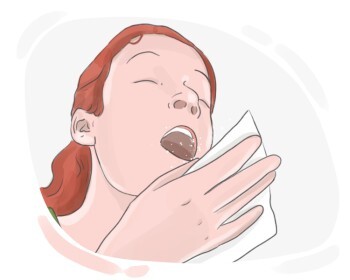
the act of blowing air out of your nose and mouth in a forceful way
nysning, nysa
Pepparen fick mig att nysa stort.
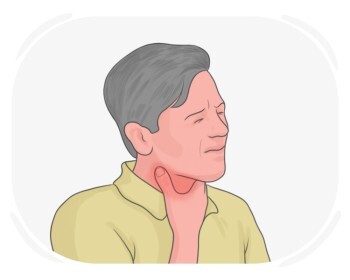
a condition when you feel pain in the throat, usually caused by bacteria or viruses
halsont
Hans halsont gjorde det svårt för honom att prata.
a condition in which a person's nostrils are full and they have difficulty breathing through their nose
täppt näsa, nästäppa
Han nös oavbrutet på grund av sin täppt näsa.
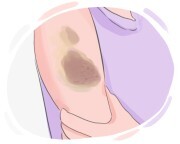
an injury on the skin that appears as a dark mark, caused by a blow involving the rupture of vessels underneath
blåmärke, kontusion
Läkaren undersökte blåmärket på barnets arm och lugnade föräldrarna genom att säga att det var en vanlig skada som skulle läka av sig själv.
an illness that causes a runny nose and watery eyes, caused by dust from plants that come into the body through the air
hösnuva, allergisk rinit
Antihistaminer och nasala kortikosteroider används vanligtvis för att lindra symtomen på hösnuva.

the act or instance of blood flowing from the nose
näsblödning, epistaxis
Han överraskades av en plötslig näsblödning under mötet.
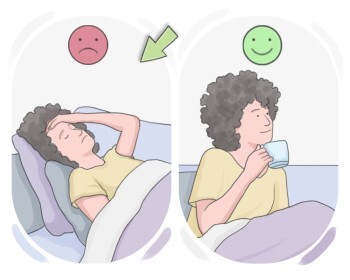
not in a fine mental or physical state
sjuk, dålig
Han såg sjuk och utmattad ut efter att ha arbetat långa timmar utan vila.
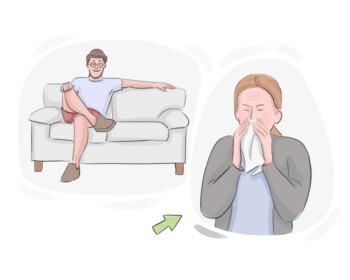
not feeling physically or mentally healthy or fit
sjuk, dålig
Kattungen var sjuk och vägrade att äta sin mat.
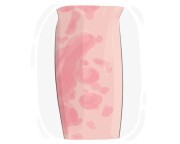
a part of one's skin covered with red spots, which is usually caused by a sickness or an allergic reaction
utslag, rodnad
Symptom på utslag kan inkludera klåda, brännande känsla eller obehag i det drabbade området.
slightly trembling or shaking due to cold, illness, fear, etc.
skakig, frossande
Han blev darrig på grund av hög feber.
not in a good and healthy physical or mental state
sjuk, illamående
Hon stannade hemma för att hon är sjuk.
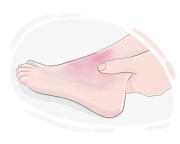
(of a joint) injured by the overstretching or tearing of the tissue
vrickad, sträckt
Hon bar en kompressionsbandage för att stödja sin vrickade vrist medan hon gick.
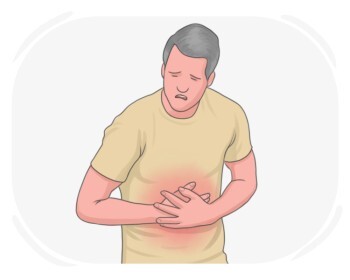
a pain in or near someone's stomach
magont, buksmärta
Hon tog ett varmt bad för att hjälpa till att lindra sin magvärk.
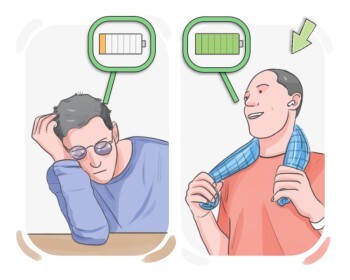
having a value or level greater than usual or expected, often in terms of numbers or measurements
hög, förhöjd
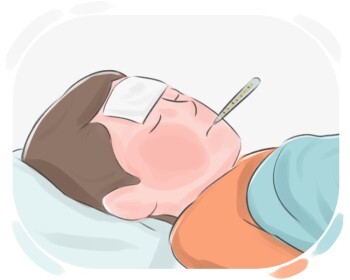
a condition characterized by a body temperature above the normal range, often indicating an immune response to infection or illness within the body
feber, hög temperatur
Övervakning av temperatur är avgörande för att avgöra om en patient behöver omedelbar medicinsk uppmärksamhet.