pattern

El libro Insight - Elemental - Unidad 7 - 7D

Aquí encontrarás el vocabulario de la Unidad 7 - 7D del libro de curso Insight Elementary, como "moretón", "mareado", "dolor de garganta", etc.

Revisión

Tarjetas de memoria

Ortografía

Cuestionario

Empezar a aprender
Insight - Elementary
health
health
[Sustantivo]

the general condition of a person's mind or body

salud
salud

Ex: Mental health is just as important as physical health and should be prioritized in our daily lives. 

La salud mental es tan importante como la salud física y debe ser priorizada en nuestra vida diaria.

antibiotic
antibiotic
[Sustantivo]

a medicine that kills or stops the growth of bacteria

antibiótico

antibiótico

Ex: Penicillin is a widely used antibiotic. 

La penicilina es un antibiótico ampliamente utilizado.

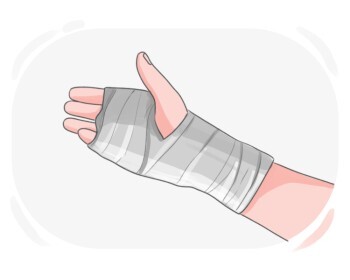
bandage
bandage
[Sustantivo]

a piece of cloth that is put around a wound to prevent infections

vendaje, venda

vendaje, venda

Ex: In case of an emergency, it’s important to know how to properly use a bandage to dress a wound. 

En caso de una emergencia, es importante saber cómo usar correctamente un vendaje para cubrir una herida.
broken
broken
[Adjetivo]

(of a thing) physically divided into pieces, because of being damaged, dropped, etc.

roto

roto

Ex: She was sad because her favorite mug was broken. 

Ella estaba triste porque su taza favorita estaba rota.
leg
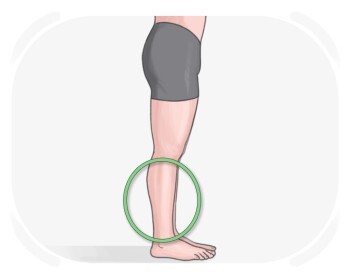
leg
[Sustantivo]

each of the two long body parts that we use when we walk

pierna
pierna

Ex: I massaged my leg to relieve muscle tension. 

Me masajeé la pierna para aliviar la tensión muscular.

burn
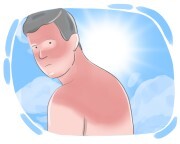
burn
[Sustantivo]

a change in skin color or condition caused by exposure to the sun's rays, resulting in a reddish or brownish appearance

quemadura de sol, bronceado
quemadura de sol, bronceado

Ex: Wearing a hat can help prevent getting a burn from prolonged sun exposure. 

Usar un sombrero puede ayudar a prevenir las quemaduras por exposición prolongada al sol.

cold
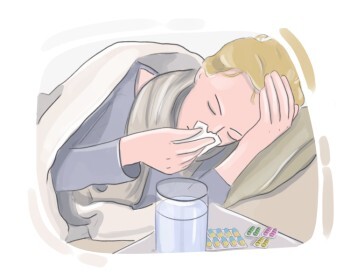
cold
[Sustantivo]

a mild disease that we usually get when viruses affect our body and make us cough, sneeze, or have fever

resfriado
resfriado

Ex: If you have a cold, it's best to rest and drink plenty of fluids. 

Si tienes un resfriado, lo mejor es descansar y beber muchos líquidos.

cough
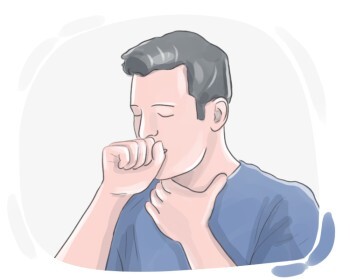
cough
[Sustantivo]

the action of air coming out of our mouth with force

tos

tos

Ex: Her cough sounds worse than yesterday. 

Su tos suena peor que ayer.

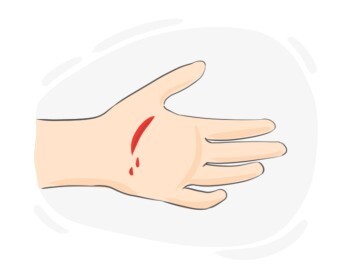
cut
cut
[Sustantivo]

a break or opening in the skin or flesh, often caused by a sharp object or injury

corte, herida
corte, herida

Ex: She got a small cut from the knife while cooking. 

Ella se hizo un pequeño corte con el cuchillo mientras cocinaba.

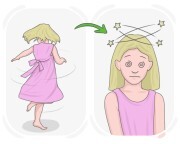
dizzy
dizzy
[Adjetivo]

unable to keep one's balance and feeling as though everything is circling around one, caused by an illness or looking down from a high place

mareado

mareado

Ex: Low blood sugar levels can cause people with diabetes to feel dizzy and disoriented. 

Los niveles bajos de azúcar en la sangre pueden hacer que las personas con diabetes se sientan mareadas y desorientadas.
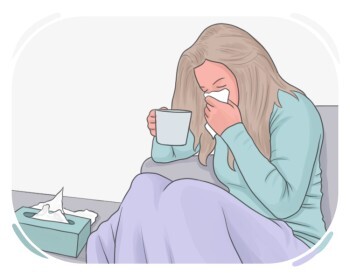
flu
flu
[Sustantivo]

an infectious disease similar to a bad cold, causing fever and severe pain

gripe

gripe

Ex: He has a high fever; it might be the flu. 

Tiene fiebre alta; podría ser la gripe.
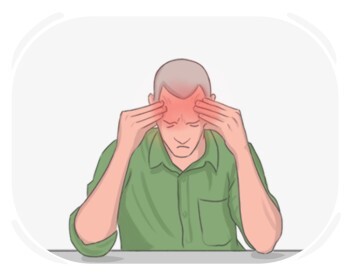
headache
headache
[Sustantivo]

a pain in the head, usually persistent

dolor de cabeza
dolor de cabeza

Ex: I can't concentrate on this report; I've got a terrible headache. 

No puedo concentrarme en este informe; tengo un dolor de cabeza terrible.

injection
injection
[Sustantivo]

the action of putting a drug into a person's body using a syringe

inyección

inyección

Ex: Insulin injections are necessary for people with diabetes to manage their blood sugar levels. 

Las inyecciones de insulina son necesarias para las personas con diabetes para controlar sus niveles de azúcar en la sangre.

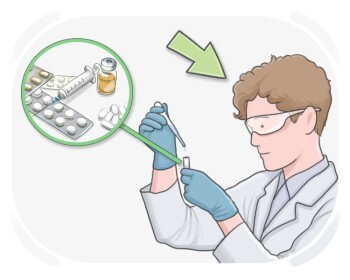
medicine
medicine
[Sustantivo]

the field of science that is concerned with treating injuries and diseases

medicina
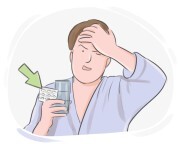
medicina

Ex: The field of medicine encompasses various specialties, including surgery, pediatrics, and psychiatry, each focusing on different aspects of patient care. 

El campo de la medicina abarca diversas especialidades, incluida la cirugía, la pediatría y la psiquiatría, cada una centrada en diferentes aspectos de la atención al paciente.

painkiller
painkiller
[Sustantivo]

a type of medicine that is used to reduce or relieve pain

analgésico, calmante

analgésico, calmante

Ex: He reached for an over-the-counter painkiller to alleviate his muscle pain from the workout. 

Él alcanzó un analgésico de venta libre para aliviar su dolor muscular después del entrenamiento.

plaster
plaster
[Sustantivo]

a small medical dressing that one can stick over a wound or cut in order to keep it clean and protect it

curita, tirita

curita, tirita

Ex: Keep a box of plasters in your first aid kit for emergencies. 

Mantén una caja de curitas en tu botiquín de primeros auxilios para emergencias.
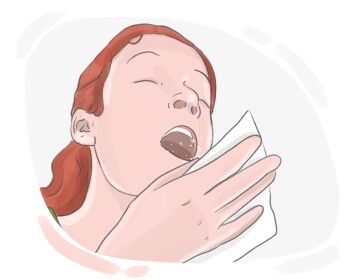
sneeze
sneeze
[Sustantivo]

the act of blowing air out of your nose and mouth in a forceful way

estornudo

estornudo

Ex: She couldn't hold back the sneeze during the quiet moment. 

No pudo contener el estornudo durante el momento tranquilo.
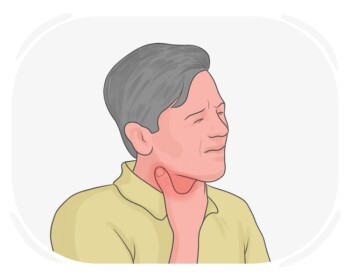
sore throat
sore throat
[Sustantivo]

a condition when you feel pain in the throat, usually caused by bacteria or viruses

dolor de garganta

dolor de garganta

Ex: He always gets a sore throat when the weather changes 

Siempre le duele la garganta cuando cambia el clima.

blocked-up nose
blocked-up nose
[Sustantivo]

a condition in which a person's nostrils are full and they have difficulty breathing through their nose

nariz tapada, nariz congestionada

nariz tapada, nariz congestionada

Ex: The doctor recommended using a nasal spray to relieve the blocked-up nose. 

El médico recomendó usar un spray nasal para aliviar la nariz tapada.
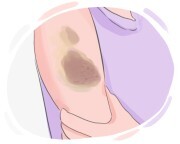
bruise
bruise
[Sustantivo]

an injury on the skin that appears as a dark mark, caused by a blow involving the rupture of vessels underneath

moradura

moradura

Ex: She applied ice to the bruise on her leg to reduce swelling and alleviate some of the pain from the impact. 

Aplicó hielo en el moretón de su pierna para reducir la hinchazón y aliviar parte del dolor del impacto.
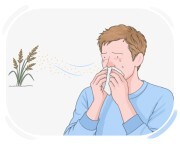
hay fever
hay fever
[Sustantivo]

an illness that causes a runny nose and watery eyes, caused by dust from plants that come into the body through the air

fiebre del heno, alergia al polen

fiebre del heno, alergia al polen

Ex: Hay fever symptoms can be triggered by exposure to pollen from grasses, trees, or weeds. 

Los síntomas de la fiebre del heno pueden ser desencadenados por la exposición al polen de pastos, árboles o malezas.

nosebleed
nosebleed
[Sustantivo]

the act or instance of blood flowing from the nose

sangrado de nariz, epistaxis

sangrado de nariz, epistaxis

Ex: She tried to stop the nosebleed by pinching her nostrils together. 

Intentó detener el sangrado de nariz apretando sus fosas nasales.
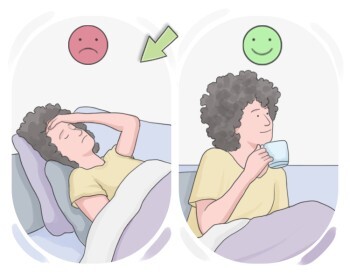
ill
ill
[Adjetivo]

not in a fine mental or physical state

enfermo, malo
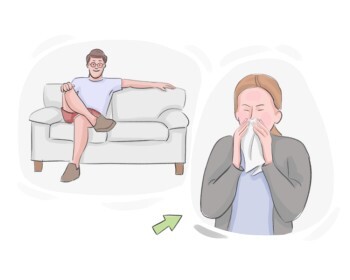
enfermo, malo

Ex: Many students were ill with the flu, causing the school to close temporarily. 

Muchos estudiantes estaban enfermos con la gripe, lo que provocó el cierre temporal de la escuela.

unwell
unwell
[Adjetivo]

not feeling physically or mentally healthy or fit

mal, enfermo

mal, enfermo

Ex: The employee was unwell and had to take a few days off work. 

El empleado estaba indispuesto y tuvo que tomarse unos días libres.
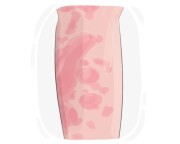
rash
rash
[Sustantivo]

a part of one's skin covered with red spots, which is usually caused by a sickness or an allergic reaction

sarpullido, erupción

sarpullido, erupción

Ex: Common types of rashes include eczema, contact dermatitis, heat rash, and viral rashes like measles or chickenpox. 

Los tipos comunes de erupción cutánea incluyen eczema, dermatitis de contacto, sarpullido por calor y erupciones virales como el sarampión o la varicela.

shivery
shivery
[Adjetivo]

slightly trembling or shaking due to cold, illness, fear, etc.

con escalofríos

con escalofríos

Ex: The shivery child wrapped himself in a blanket. 

El niño tiritando se envolvió en una manta.

sick
sick
[Adjetivo]

not in a good and healthy physical or mental state

enfermo
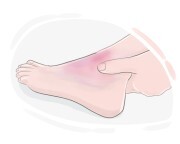
enfermo

Ex: My father was so sick that he couldn't even get out of bed. 

Mi padre estaba tan enfermo que ni siquiera podía salir de la cama.

sprained
sprained
[Adjetivo]

(of a joint) injured by the overstretching or tearing of the tissue

torcido, esguince

torcido, esguince

Ex: A sprained elbow can be very painful, especially when bending your arm. 

Un codo torcido puede ser muy doloroso, especialmente al doblar el brazo.
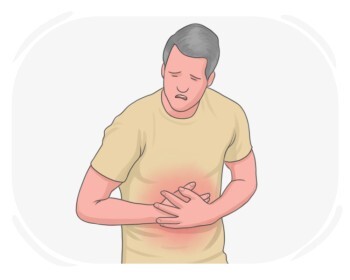
stomachache
stomachache
[Sustantivo]

a pain in or near someone's stomach

dolor de estómago

dolor de estómago

Ex: She felt a stomach ache coming on after the roller coaster ride. 

Ella sintió que le venía un dolor de estómago después del paseo en la montaña rusa.
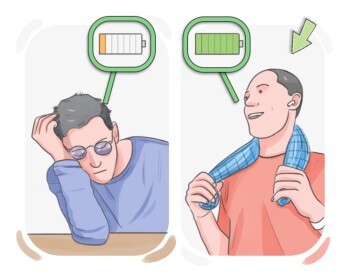
high
high
[Adjetivo]

having a value or level greater than usual or expected, often in terms of numbers or measurements

gran cantidad
gran cantidad

Ex: The prices at the luxury boutique were quite high. 

Los precios en la boutique de lujo eran bastante altos.

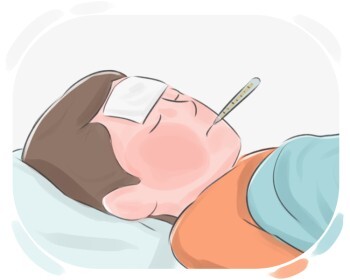
temperature
temperature
[Sustantivo]

a condition characterized by a body temperature above the normal range, often indicating an immune response to infection or illness within the body

fiebre, temperatura alta
fiebre, temperatura alta

Ex: Children often experience a rise in temperature during common illnesses, such as the flu or cold. 

Los niños a menudo experimentan un aumento de la temperatura durante enfermedades comunes, como la gripe o el resfriado.

toothache
toothache
[Sustantivo]

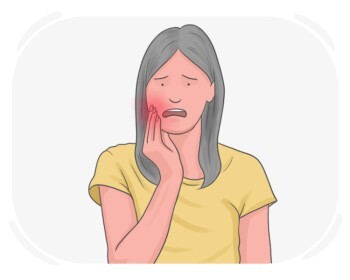
pain felt in a tooth or several teeth

dolor de muelas

dolor de muelas

Ex: He couldn't eat his ice cream because of his toothache. 

No podía comer su helado debido a su dolor de muelas.
weak
weak
[Adjetivo]

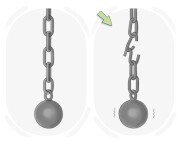
structurally fragile or lacking durability

débil

débil

Ex: The table leg was weak and wobbled dangerously. 

La pata de la mesa era débil y se tambaleaba peligrosamente.

LanGeek
Descargar la aplicación LanGeek