
Список Слов Уровня C2 - История
Здесь вы узнаете все основные слова для разговора об Истории, собранные специально для изучающих уровень C2.
Обзор
Флэш-карточки
Правописание
Тест

a manuscript that was written on, erased, and written on again and again, while the previous text was still partially visible

палимпсест
Древний свиток был палимпсестом, со слоями текста, соскобленными и переписанными новыми надписями, открывая проблески его более раннего содержания.
(in medieval times) a young boy serving as an attendant to a knight, beginning training for knighthood
оруженосец, паж
Юный паж полировал доспехи рыцаря каждое утро.
a system of writing using symbols or pictures, originally used by the ancient Egyptians
иероглифа
Эксперты музея были призваны интерпретировать иероглифы на недавно обнаруженном артефакте.
a large medieval Mediterranean vessel, typically with a single deck, propelled by sails and oars, armed at bow and stern, and manned by up to 1,000 men, used for war and trade
галера, весельное судно
Командир осмотрел галеру перед морской кампанией.
a period in Western Europe (1871-1914) marked by peace, optimism, and cultural growth
Прекрасная эпоха была периодом культурного расцвета и оптимизма в Европе, характеризующимся экономическим процветанием
Прекрасная эпоха была периодом культурного расцвета и оптимизма в Европе, характеризовавшимся экономическим процветанием, технологическими инновациями и художественными инновациями.
the defining spirit or mood of a particular period in history, reflecting the ideas and beliefs of the time
дух времени
1960-е годы были десятилетием, определенным zeitgeist социальных изменений и культурной революции, с движениями за гражданские права, феминизм и антивоенный активизм, которые сформировали эпоху.
the lineage or ancestry of a person, tracing their familial relationships and connections through multiple generations
генеалогия
Я обнаружил увлекательные подробности о моих предках, исследуя свою генеалогию.
an object or part of an object surviving from the past, typically with historical or emotional value, often linked to a person, event, or era
реликвия
В музее была выставлена реликвия бронзового века, привлекшая историков со всей страны.
the historical period before the Middle Ages, especially before the sixth century when Greeks and Romans were the most prosperous
древность
Античность относится к периоду в истории до Средних веков, охватывая цивилизации Древней Греции и Рима.
a medieval military expedition by European Christians to reclaim or defend Christian territories in the Holy Land
крестовый поход
Первый крестовый поход был направлен на захват Иерусалима из-под мусульманского контроля в конце XI века.
the process by which colonies or territories gain independence from colonial rule
деколонизация, процесс деколонизации
Деколонизация Африки в середине 20-го века привела к появлению многочисленных независимых государств.
a person belonging to a people or group regarded as uncivilized, foreign, or outside the dominant culture
варвар
Племена, когда-то названные варварами, развили свои собственные богатые культуры.
the king or emperor of Russia prior to 1917
царь
Царь был титулом, используемым правителями России до Русской революции 1917 года, означающим их абсолютную власть и суверенитет.
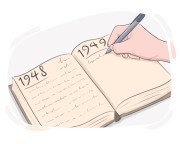
to record a series of historical events in a detailed way by a chronological order
описать летопись
Историк хроники подъем и падение древних цивилизаций в своей последней книге.
the political structure during a period in the history of the UK between 1649 and 1660, called the interregnum, during which the country was ruled without a king or queen
британское Содружество Наций
Содружество — это объединение независимых государств, большинство из которых были бывшими территориями Британской Империи, сотрудничающих по вопросам взаимного интереса.
