
C2 Ordlista - Historia
Här kommer du att lära dig alla de väsentliga orden för att prata om Historia, samlade specifikt för C2-nivå elever.
Recension
Flashcards
Stavning
Quiz

a manuscript that was written on, erased, and written on again and again, while the previous text was still partially visible
palimpsest, omskriven handskrift
Palimpsesten avslöjade fragment av en antik episk dikt och kastade nytt ljus över tidens litterära traditioner.
(in medieval times) a young boy serving as an attendant to a knight, beginning training for knighthood
väpnare, page
a system of writing using symbols or pictures, originally used by the ancient Egyptians
hieroglyf, hieroglyfskrift
Museiexperter kallades för att tolka hieroglyferna på det nyligen upptäckta artefaktet.
a large medieval Mediterranean vessel, typically with a single deck, propelled by sails and oars, armed at bow and stern, and manned by up to 1,000 men, used for war and trade
galär, roddfartyg
Befälhavaren inspekterade galären före sjökampanjen.
a period in Western Europe (1871-1914) marked by peace, optimism, and cultural growth
Belle Époque var en period av kulturell blomstring och optimism i Europa, kännetecknad av ekonomiskt välstånd
Belle Époque var också präglad av betydande framsteg inom vetenskap, teknik och medicin, inklusive utvecklingen av bilen, telefonen och upptäckten av röntgenstrålar.
the defining spirit or mood of a particular period in history, reflecting the ideas and beliefs of the time
tidsanda, tidens anda
Renässansen var en period präglad av en zeitgeist av återfödelse och återupptäckt, med ett förnyat intresse för klassisk konst, litteratur och humanism, som drev kulturella och intellektuella utvecklingar.
the lineage or ancestry of a person, tracing their familial relationships and connections through multiple generations
genealogi
Släktforskningsprojektet i skolan uppmuntrade eleverna att utforska sin familjehistoria.
an object or part of an object surviving from the past, typically with historical or emotional value, often linked to a person, event, or era
relik, lämning
Även om parfymflaskan nu är tom, förblir den en dyrbar relik av min mors närvaro.
the historical period before the Middle Ages, especially before the sixth century when Greeks and Romans were the most prosperous
antiken, den antika perioden
Filosofer och lärda från antiken, som Sokrates, Platon och Aristoteles, gjorde djupa bidrag till västerländsk tanke och filosofi.
a medieval military expedition by European Christians to reclaim or defend Christian territories in the Holy Land
korståg
Olika korståg riktade sig mot upplevda fiender till kristendomen bortom det Heliga Landet, inklusive kättare och politiska rivaler.
the process by which colonies or territories gain independence from colonial rule
dekolonisering, processen av dekolonisering
Förenta nationerna spelade en roll i att underlätta dekoloniseringsprocessen genom att främja självbestämmande och självständighet för koloniserade territorier.
a person belonging to a people or group regarded as uncivilized, foreign, or outside the dominant culture
barbar, vilde
Stammar som en gång kallades barbarer utvecklade sina egna rika kulturer.
the king or emperor of Russia prior to 1917
tsar, czar
Rysslands sista tsar var Nikolaj II, som abdikerade tronen 1917 efter februarirevolutionen och senare avrättades av bolsjevikerna under ryska inbördeskriget.
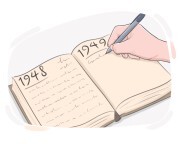
to record a series of historical events in a detailed way by a chronological order
krönika, registrera
De kröniker utvecklingen av tekniken över decennierna i en omfattande tidslinje.
the political structure during a period in the history of the UK between 1649 and 1660, called the interregnum, during which the country was ruled without a king or queen
Samväldet, Republik
Drottningen av England fungerar som den symboliska ledaren för samväldet, vilket representerar dess gemensamma arv och värderingar.
