
Elenco di Parole Livello C2 - Storia
Qui imparerai tutte le parole essenziali per parlare di Storia, raccolte specificamente per gli studenti di livello C2.
Revisione
Flashcard
Ortografia
Quiz

a manuscript that was written on, erased, and written on again and again, while the previous text was still partially visible

palinsesto
Il manoscritto su pergamena era un palinsesto, con inchiostro sbiadito e deboli tracce di scrittura cancellata, rendendolo un enigma impegnativo da decifrare per storici e ricercatori.
(in medieval times) a young boy serving as an attendant to a knight, beginning training for knighthood
scudiero, paggetto
a system of writing using symbols or pictures, originally used by the ancient Egyptians
geroglifico, scrittura geroglifica
La piastra d'oro era incisa con geroglifici che raccontavano una storia di siccità e prosperità.
a large medieval Mediterranean vessel, typically with a single deck, propelled by sails and oars, armed at bow and stern, and manned by up to 1,000 men, used for war and trade
galea, nave a remi
Le galee medievali trasportavano sia soldati che mercanti.
a period in Western Europe (1871-1914) marked by peace, optimism, and cultural growth
La Belle Époque fu un periodo di fioritura culturale e ottimismo in Europa, caratterizzato da prosperità economica
Lo scoppio della Prima Guerra Mondiale nel 1914 pose fine alla Belle Époque, poiché l'ottimismo e la prosperità dell'epoca lasciarono il posto alla devastazione e allo sconvolgimento della Grande Guerra.
the defining spirit or mood of a particular period in history, reflecting the ideas and beliefs of the time
zeitgeist
La Rivoluzione Industriale portò con sé uno zeitgeist di urbanizzazione e industrializzazione, mentre le popolazioni rurali migravano verso le città in cerca di lavoro e le nuove tecnologie trasformavano la società e l'economia.
the lineage or ancestry of a person, tracing their familial relationships and connections through multiple generations
genealogia
Il grafico genealogico mostrava la discendenza della nostra famiglia risalente a diversi secoli fa.
an object or part of an object surviving from the past, typically with historical or emotional value, often linked to a person, event, or era
reliquia, reperto
Il guanto da baseball logoro, una reliquia della mia gioventù, riporta alla mente i ricordi dei giochi estivi con i miei amici.
the historical period before the Middle Ages, especially before the sixth century when Greeks and Romans were the most prosperous
antichità
Il declino dell'Impero Romano segnò la fine dell'antichità e l'inizio del Medioevo, mentre l'Europa entrava in un periodo di frammentazione politica e cambiamento culturale.
a medieval military expedition by European Christians to reclaim or defend Christian territories in the Holy Land
crociata
Le Crociate ebbero significativi impatti storici e culturali sulle relazioni tra l'Occidente cristiano e l'Oriente musulmano.
the process by which colonies or territories gain independence from colonial rule
decolonizzazione, processo di decolonizzazione
Le nazioni latinoamericane hanno raggiunto la decolonizzazione attraverso una serie di movimenti di indipendenza nel XIX secolo.
a person belonging to a people or group regarded as uncivilized, foreign, or outside the dominant culture
barbaro
I barbari nomadi attraversavano le pianure in grandi gruppi.
the king or emperor of Russia prior to 1917
ZAR
Il termine "zar" deriva dalla parola latina "Cesare" ed è equivalente al titolo di "imperatore" in altre monarchie europee.
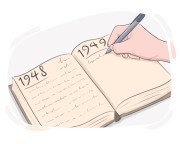
to record a series of historical events in a detailed way by a chronological order
cronaca
Il giornalista cronaca i sconvolgimenti politici del secolo scorso nel suo reportage investigativo.
the political structure during a period in the history of the UK between 1649 and 1660, called the interregnum, during which the country was ruled without a king or queen
confederazione
L'incontro dei capi di governo del Commonwealth (CHOGM) si tiene ogni due anni, offrendo ai leader degli stati membri l'opportunità di discutere e affrontare questioni di comune interesse.
