
Lista de Palavras Nível C2 - História
Aqui você aprenderá todas as palavras essenciais para falar sobre História, coletadas especificamente para aprendizes de nível C2.
Revisar
Flashcards
Ortografia
Quiz

a manuscript that was written on, erased, and written on again and again, while the previous text was still partially visible
palimpsesto, manuscrito reescrito
O manuscrito em pergaminho era um palimpsesto, com tinta desbotada e fracos traços de escrita apagada, tornando-o um quebra-cabeça desafiador para historiadores e pesquisadores decifrarem.
(in medieval times) a young boy serving as an attendant to a knight, beginning training for knighthood
escudeiro, pajem
a system of writing using symbols or pictures, originally used by the ancient Egyptians
hieróglifo, escrita hieroglífica
Especialistas do museu foram chamados para interpretar os hieróglifos no artefato recém-descoberto.
a large medieval Mediterranean vessel, typically with a single deck, propelled by sails and oars, armed at bow and stern, and manned by up to 1,000 men, used for war and trade
galé, navio a remos
A galé veneziana estava armada com canhões e pronta para a batalha.
a period in Western Europe (1871-1914) marked by peace, optimism, and cultural growth
A Belle Époque foi um período de florescimento cultural e otimismo na Europa, caracterizado pela prosperidade económica
O início da Primeira Guerra Mundial em 1914 pôs fim à Belle Époque, à medida que o otimismo e a prosperidade da época deram lugar à devastação e à agitação da Grande Guerra.
the defining spirit or mood of a particular period in history, reflecting the ideas and beliefs of the time
espírito da época, clima da época
A Revolução Industrial trouxe um zeitgeist de urbanização e industrialização, enquanto as populações rurais migravam para as cidades em busca de trabalho e as novas tecnologias transformavam a sociedade e a economia.
the lineage or ancestry of a person, tracing their familial relationships and connections through multiple generations
genealogia
O gráfico genealógico exibia a linhagem da nossa família remontando a vários séculos.
an object or part of an object surviving from the past, typically with historical or emotional value, often linked to a person, event, or era
relíquia, vestígio
A luva de beisebol gasta, uma relíquia da minha juventude, traz de volta memórias de jogos de verão com meus amigos.
the historical period before the Middle Ages, especially before the sixth century when Greeks and Romans were the most prosperous
a Antiguidade, o período antigo
O declínio do Império Romano marcou o fim da Antiguidade e o início da Idade Média, quando a Europa entrou em um período de fragmentação política e mudança cultural.
a medieval military expedition by European Christians to reclaim or defend Christian territories in the Holy Land
cruzada
As Cruzadas tiveram impactos históricos e culturais significativos nas relações entre o Ocidente cristão e o Oriente muçulmano.
the process by which colonies or territories gain independence from colonial rule
descolonização, processo de descolonização
As nações latino-americanas alcançaram a descolonização através de uma série de movimentos de independência no século XIX.
a person belonging to a people or group regarded as uncivilized, foreign, or outside the dominant culture
bárbaro, selvagem
Durante o período medieval, os reinos europeus frequentemente colidiam com hordas bárbaras do leste, como os mongóis e os hunos.
the king or emperor of Russia prior to 1917
czar, tsar
O termo "czar" é derivado da palavra latina "César" e equivale ao título de "imperador" em outras monarquias europeias.
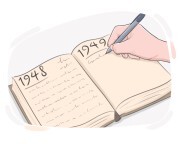
to record a series of historical events in a detailed way by a chronological order
croniquear, registrar
O jornalista crônica as convulsões políticas do século passado em seu relatório investigativo.
the political structure during a period in the history of the UK between 1649 and 1660, called the interregnum, during which the country was ruled without a king or queen
Commonwealth, República
A Reunião de Chefes de Governo do Commonwealth (CHOGM) é realizada a cada dois anos, proporcionando aos líderes dos estados membros a oportunidade de discutir e abordar questões de interesse comum.
