
Продвинутый Словарный Запас для TOEFL - Человеческая анатомия
Здесь вы выучите некоторые английские слова о семье и отношениях, такие как "слюна", "клык", "доля" и т.д., которые необходимы для экзамена TOEFL.
Обзор
Флэш-карточки
Правописание
Тест

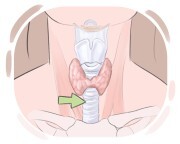
(anatomy) the membranous tube in the body that carries air from the throat to the bronchi

трахея
Трахея, также известная как дыхательное горло, представляет собой трубчатую структуру, которая соединяет гортань с бронхами, позволяя воздуху проходить в легкие и из них.
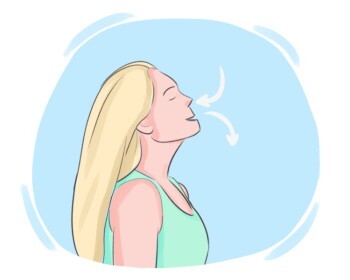
(anatomy) the act or process of breathing
дыхание
Дыхание включает в себя поглощение кислорода и выделение углекислого газа легкими.
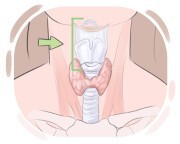
(anatomy) the hollow organ in the throat that contains the vocal cords and provides an air passage to the lungs
гортань
Гортань, обычно называемая голосовым аппаратом, расположена в верхней части трахеи и содержит голосовые связки.

the liquid produced in the mouth to make chewing and swallowing easier and to prepare food for digestion
слюна

any of the group of sensory cells that are mainly on the tongue, making one recognize different tastes
вкусовая почка
Вкусовые рецепторы — это сенсорные органы, расположенные на языке и других частях рта, которые позволяют нам воспринимать различные вкусы.
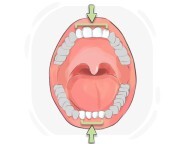
(anatomy) any of the eight narrow-edged teeth at the front of the mouth that are used for biting
резец
Ортодонт порекомендовал брекеты для исправления неправильного положения ее резцов.
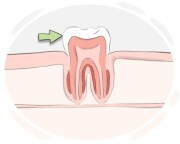
the hard white external layer that covers the crown of a tooth
эмаль
Эмаль — это твердый внешний слой зубов, который защищает их от кариеса и повреждений.

either of the two external openings of the nose that one breathes through
ноздря
Он глубоко вдохнул через свои ноздри, чтобы успокоить нервы.
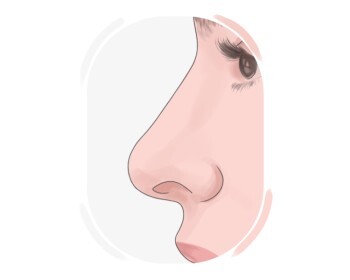
(anatomy) connected with the nose
носовой
Носовая заложенность — это распространенный симптом аллергии или простуды.
the thick mucus that is formed in the nasal and throat cavities, usually secreted in excessive amounts as a result of common cold
мокрота
Простуда часто вызывает увеличение выработки мокроты, что приводит к заложенности и кашлю.
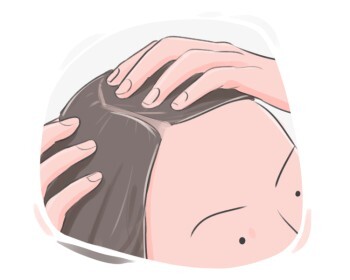
the skin under one's hair, covering the head
скальп, кожа головы
Она массировала свою кожу головы эфирными маслами, чтобы стимулировать рост волос и расслабление.
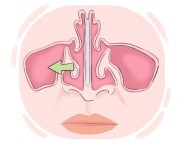
an air-filled cavity, especially within the bones of the skull
синус
Он страдал от воспаления верхнечелюстной пазухи.
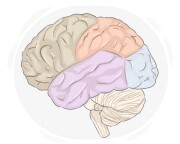
(anatomy) a rounded part of an organ, such as, lungs or brain that seems to be separate in some way from the rest
доля
Мозг разделен на различные доли, каждая из которых отвечает за определенные функции, такие как сенсорное восприятие, моторный контроль и обработка языка.
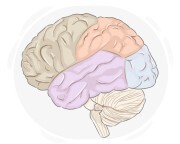
(anatomy) the outer layer of the anterior part of the brain, called cerebrum, containing gray matter
кора мозга
Кора головного мозга — это внешний слой мозга, отвечающий за высшие когнитивные функции, такие как мышление, память и восприятие.
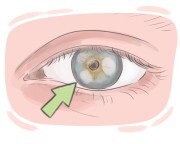
(anatomy) the small round black area in the center of the eye, through which light enters
зрачок
Офтальмолог использовал фонарик, чтобы исследовать расширение зрачков пациента.
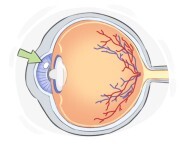
(anatomy) the round colored portion of the eye around the pupil and behind the cornea
ирис
Радужка — это цветная часть глаза, которая регулирует количество света, попадающего в зрачок.
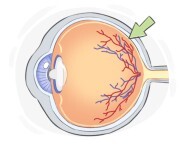
(anatomy) the sensory membrane at the back of the eye that transmits light signals to the brain through optic nerves
сетчатка
Сетчатка — это самый внутренний слой глаза, содержащий фоторецепторные клетки, отвечающие за обнаружение света и инициацию зрительных сигналов.
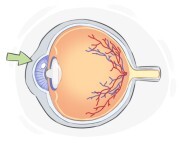
(anatomy) the transparent layer that covers the outside of the eyeball
роговица
Роговица — это прозрачный куполообразный слой, покрывающий переднюю часть глаза, отвечающий за преломление световых лучей для фокусировки изображений на сетчатке.
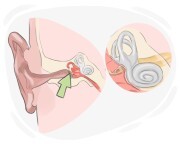
a thin piece of skin in the middle ear that vibrates by sound waves and enables one to hear sounds, also known as tympanic membrane
барабанная перепонка
Барабанная перепонка, также известная как тимпанная мембрана, вибрирует в ответ на звуковые волны, попадающие в слуховой проход.

the body of an animal or human, except the limbs and head
туловище
Туловище человеческого тела включает в себя грудь, живот и таз, в которых находятся жизненно важные органы, такие как сердце, легкие, печень и кишечник.
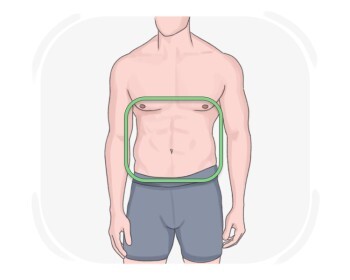
the lower part of the body below the chest that contains the digestive and reproductive organs
живот
Он поморщился, когда врач надавил на его живот, ища признаки болезненности или припухлости.
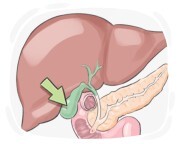
a greenish-brown alkaline fluid that is produced by the liver in order to help the body digest fats
жёлчь
Желчь — это пищеварительная жидкость, вырабатываемая печенью и хранящаяся в желчном пузыре, которая выделяется в тонкий кишечник для помощи в переваривании жиров.
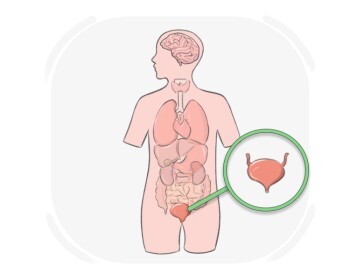
a sac-like organ inside the body where urine is stored before being passed
мочевой пузырь
Ей срочно пришлось пойти в туалет, потому что ее мочевой пузырь был полон.
an organ in the body that produces certain chemical substances to be used in the body or to be discharged into the surroundings
железа
Эндокринная система включает железы, такие как щитовидная железа и надпочечники, которые регулируют гормоны в организме.
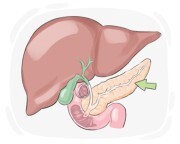
a large gland in the body that produces insulin and glucagon and substances that help the body digest food
поджелудочная железа
Поджелудочная железа — это железа, расположенная за желудком, которая играет crucialную роль в пищеварении и регуляции уровня сахара в крови.
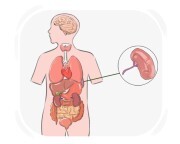
(anatomy) an abdominal organ that controls the quality of the blood cells
селезенка
Селезенка — это орган, расположенный в верхней левой части живота, под грудной клеткой, и является частью лимфатической системы.
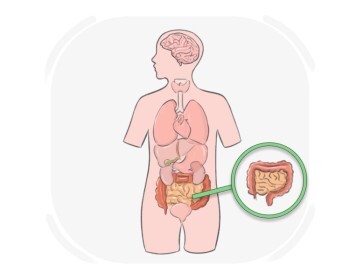
(anatomy) the main part of the large intestine, between the caecum to the rectum, where water is removed from solid waste
толстая кишка
Толстая кишка, также известная как толстый кишечник, является конечной частью пищеварительного тракта, ответственной за поглощение воды и электролитов из непереваренной пищи.
(usually plural) the tube in the body through which digested food passes from the stomach to the anus
кишечник
Пищеварительные расстройства могут повлиять на способность кишечника усваивать питательные вещества.
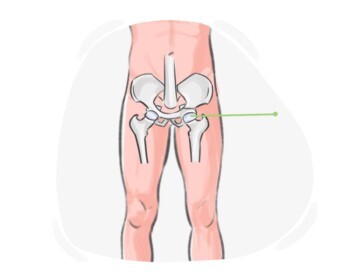
(anatomy) the large round bone structure that the limbs and the spine are joined to, which also protects the abdominal organs
таз
Таз — это костная структура, расположенная у основания позвоночника, состоящая из тазовых костей, крестца и копчика.

the part of the body of a woman or female mammal where the baby develops before birth
матка
Плод уютно устроился в безопасности матки, защищенный и питаемый телом матери.
(anatomy) the narrow outer opening of the womb or uterus of a female
шейка матки
Во время гинекологического осмотра врач осмотрит шейку матки на наличие каких-либо аномалий или признаков инфекции.
(anatomy) the organ in the female body where the fetus is conceived and grown before being born
матка
Матка подвергается сокращениям во время родов, чтобы изгнать ребенка.
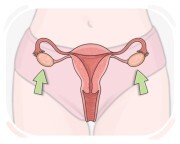
either of the two organs in women or female animals that produce eggs for reproduction
яичник
(anatomy) the tube in most mammals that carries urine out of the body, which also carries sperm in males
мочеиспускательный канал
Уретра — это трубка, которая выводит мочу из мочевого пузыря наружу во время мочеиспускания.
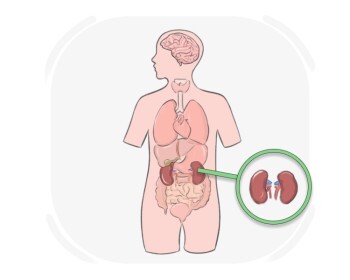
relating to the kidneys or their function
почечный
Он прошел почечные тесты для оценки функции почек.
relating to the intestines, which are part of the digestive system responsible for absorbing nutrients and removing waste from the body
кишечный
Кишечные бактерии играют ключевую роль в пищеварении и усвоении питательных веществ в кишечнике.
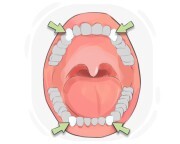
(anatomy) any of the four pointed teeth that are between the incisors and premolars, used for tearing food
клык
Клыки помогают нам разрывать и кусать пищу.
a blood protein produced to fight diseases or infections, or in response to foreign substances in the body
антитело
Антитела останавливают вредные микробы и помечают их для уничтожения иммунными клетками.
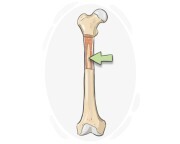
the soft substance that fills the cavities of bones, which is either yellowish and consists of fat cells or reddish and makes blood cells
костный мозг
Костный мозг — это мягкая, губчатая ткань, находящаяся в полостях костей, ответственная за производство кровяных клеток.
