pattern

Cambridge English: CAE (C1 Advanced) - Energy, Resources & Environmental Events

Review

Flashcards

Spelling

Quiz

Start learning
Cambridge English: CAE (C1 Advanced)
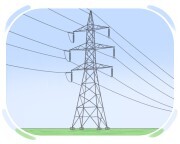
pylon
pylon
[noun]

a tall metal structure used for carrying high-voltage power lines above the ground
Ex: The transmission lines were supported by tall pylons across the countryside. 
Close
Sign in
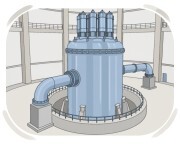
reactor
reactor
[noun]

a large machine or structure used for producing nuclear energy

Ex: The nuclear reactor generates electricity by harnessing the energy from nuclear fission. 
Close
Sign in
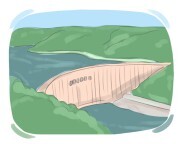
hydroelectricity

electricity that is produced from the power of water
Ex: Hydroelectricity is generated by harnessing the energy of flowing water to spin turbines. 
Close
Sign in
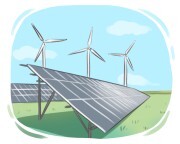
solar cell

a device that converts the energy of the sun into electricity
Ex: A solar cell, also known as a photovoltaic cell, converts sunlight directly into electricity. 
Close
Sign in
wildfire
wildfire
[noun]

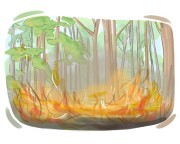
a large fire that spreads fast and causes much destruction
Ex: The wildfire spread rapidly through the dry forest due to strong winds. 
Close
Sign in
tidal wave

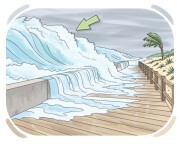
a sudden rise of seawater onto the shore driven primarily by strong onshore winds, often compounding the normal tidal cycle
Ex: Gale-force winds pushed a tidal wave over the seawall, flooding the beachfront boardwalk. 
Close
Sign in
oil rig
oil rig
[noun]

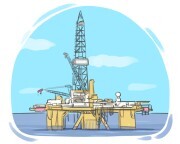
a large facility used for drilling oil or gas from underground or under the sea
Ex: The oil rig in the Gulf of Mexico extracts crude oil from deep beneath the seabed. 
Close
Sign in
typhoon
typhoon
[noun]

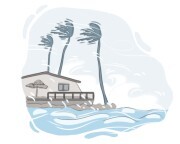
a tropical storm with violent winds moving in a circle that form over the western Pacific Ocean
Ex: The typhoon brought heavy rain and strong winds, causing widespread damage to homes and infrastructure. 
Close
Sign in
ice cap
ice cap
[noun]

the thick coating of ice that covers a large area, mostly in polar regions
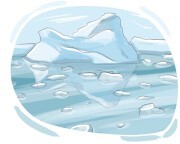
Ex: The polar ice caps are melting due to climate change. 
Close
Sign in
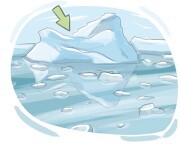
iceberg
iceberg
[noun]

a very large floating piece of ice

Ex: The Titanic sank after colliding with an iceberg in the North Atlantic Ocean. 
Close
Sign in
El Nino
El Nino
[noun]

a recurring climate pattern in the tropical Pacific Ocean characterized by above-average sea surface temperatures in the central and eastern regions, caused by weakened easterly trade winds and leading to significant global weather, ecological, and economic impacts

Ex: El Niño in 2015–16 caused record rainfall in Peru and droughts across Indonesia. 
Close
Sign in
La Nina
La Nina
[noun]

a recurring climate pattern in the Pacific Ocean characterized by below-average sea surface temperatures in the central and eastern tropical Pacific, driven by stronger-than-normal easterly trade winds and influencing global weather patterns
Ex: During La Niña winters, farmers in the Pacific Northwest brace for wetter, cooler conditions that replenish reservoirs. 
Close
Sign in
heat wave
heat wave
[noun]

a period of hot weather, usually hotter and longer than before

Ex: The city issued a warning for a heat wave, advising residents to stay indoors and stay hydrated. 
Close
Sign in
high tide
high tide
[noun]

the highest point of the ocean's water level caused by the gravitational pull of the moon and sun
Ex: Fishermen had to wait until high tide before launching their small boats from the rocky cove. 
Close
Sign in
humidity
humidity
[noun]

the amount of moisture present in the air

Ex: The high humidity made the summer day feel even hotter. 
Close
Sign in
long-range forecast

a weather prediction covering weeks, months, or years ahead

Ex: The long-range forecast suggests a hotter-than-average summer this year. 
Close
Sign in
torrential
torrential
[Adjective]

(of rain) exceptionally heavy, often leading to flooding and drenched landscapes

Ex: Commuters arrived soaked after a torrential downpour flooded the city streets. 
Close
Sign in
haze
haze
[noun]

a suspension of fine particles, such as dust, smoke, or moisture, in the air, causing reduced visibility

Ex: The city skyline was obscured by a thick haze of pollution, reducing visibility for miles. 
Close
Sign in
LanGeek
Download LanGeek app