pattern

SAT Exam Essential Vocabulary - Inhibition

Here you will learn some English words related to inhibition, such as "thwart", "eradicate", "detrimental", etc. that you will need to ace your SATs.

Review

Flashcards

Forms

Spelling

Quiz

Start learning
SAT Exam Essential Vocabulary
to encumber

to hinder the process or make something harder to do or achieve
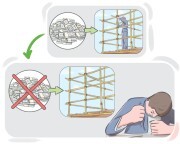
Ex: The outdated software encumbered the team’s progress on the project. 
Close
Sign in
to impede
to impede
[Verb]

to create difficulty or obstacles that make it hard for something to happen or progress

Ex: The heavy traffic impeded our journey to the airport. 
Close
Sign in
to preclude

(of circumstances) to stop or prevent someone from being able to do something

Ex: His prior commitment to another project will preclude him from attending the meeting. 
Close
Sign in
to attenuate

to take away from something's effect, value, size, power, or amount

Ex: The noise-canceling headphones helped to attenuate the loud sounds of the city streets. 
Close
Sign in
to curb
to curb
[Verb]

to lessen the intensity of something or keep it under control, often through restraint or inhibition
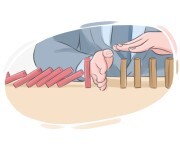
Ex: He tried to curb his anger during the heated discussion to avoid saying something he would regret. 
Close
Sign in
to inhibit

to restrict or reduce the normal activity or function of something

Ex: The brake system is designed to inhibit the movement of the vehicle when applied. 
Close
Sign in
to repulse

to drive back or push away

Ex: Sarah tried to make amends, but her former friend seemed to repulse every attempt at reconciliation. 
Close
Sign in
to refute
to refute
[Verb]

to state that something is incorrect or false based on evidence
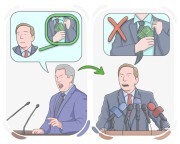
Ex: The scientist refuted the hypothesis with empirical data. 
Close
Sign in
to rebut
to rebut
[Verb]

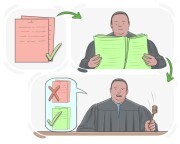
to prove something false or incorrect with evidence or argumentation
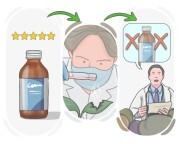
Ex: The lawyer rebutted the opposing argument with strong evidence. 
Close
Sign in
to disprove

to show that something is false or incorrect

Ex: The scientist conducted experiments to disprove the theory. 
Close
Sign in
to enervate

to cause someone to lose physical or mental energy or strength
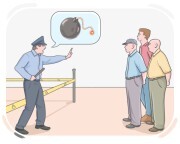
Ex: The long, grueling workout served to enervate him, leaving him feeling completely drained. 
Close
Sign in
to thwart
to thwart
[Verb]

to intentionally prevent someone or something from accomplishing a purpose or plan
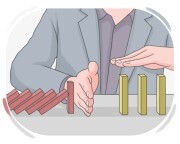
Ex: The vigilant guards regularly thwart attempts to trespass into the restricted area. 
Close
Sign in
to prevent

to not let someone do something

Ex: The security guard prevented the unauthorized person from entering the building. 
Close
Sign in
to disorient

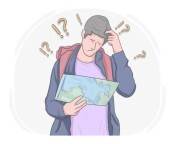
to cause someone to lose their sense of direction, leading to confusion or a feeling of being lost

Ex: The sudden change in the landscape disoriented the hiker, and he struggled to find the trail. 
Close
Sign in
to abandon

to stop supporting an idea, policy, concept, etc.
Ex: After careful consideration, he abandoned his previous beliefs and embraced a new ideology. 
Close
Sign in
to eliminate

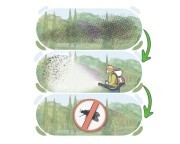
to fully remove or get rid of something

Ex: The exterminator worked to eliminate the infestation of pests in the house. 
Close
Sign in
to discard

to get rid of something that is no longer needed
Ex: She recently discarded old clothes from her wardrobe to make space for new ones. 
Close
Sign in
to shun
to shun
[Verb]

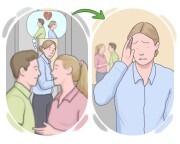
to deliberately avoid, ignore, or keep away from someone or something
Ex: The celebrity chose to shun the limelight for a while, seeking privacy away from the public eye. 
Close
Sign in
to elude
to elude
[Verb]

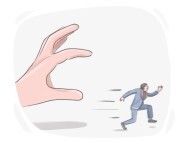
to cleverly avoid or escape from someone or something
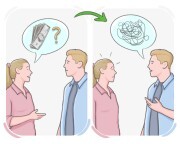
Ex: The criminal skillfully eludes the police, disappearing into the crowded city. 
Close
Sign in
to dodge
to dodge
[Verb]

to intentionally avoid an issue or responsibility
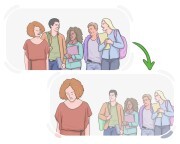
Ex: The employee often dodges difficult questions during team meetings. 
Close
Sign in
to ostracize

to exclude someone from a community or group as a form of punishment or social rejection
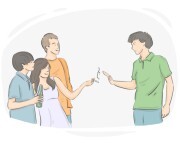
Ex: After the scandal, he was ostracized by his colleagues and no longer invited to company events. 
Close
Sign in
to eschew
to eschew
[Verb]

to avoid a thing or doing something on purpose
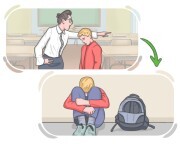
Ex: Health-conscious individuals often eschew sugary beverages in favor of water or herbal tea. 
Close
Sign in
to expel
to expel
[Verb]

to force someone to leave a place, organization, etc.
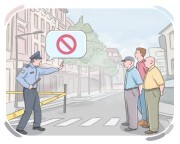
Ex: The school decided to expel the student for repeated violations of the code of conduct. 
Close
Sign in
to repel
to repel
[Verb]

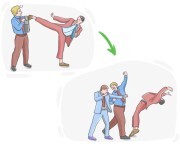
to push away or cause something or someone to retreat or withdraw

Ex: The goalkeeper managed to repel every attempt at scoring during the match. 
Close
Sign in
to dispose

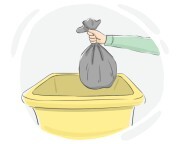
to throw away something, often in a responsible manner

Ex: The city provides special bins to safely dispose of hazardous materials. 
Close
Sign in
to counter

to do something to avoid or decrease the harmful or unpleasant effects of something
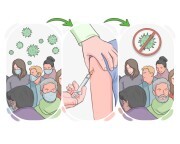
Ex: Taking vitamin C can help counter the effects of a cold. 
Close
Sign in
to eradicate

to completely destroy something, particularly a problem or threat

Ex: The international community is collaborating to eradicate the illegal wildlife trade. 
Close
Sign in
to extinguish

to end or destroy something entirely

Ex: The authorities took swift action to extinguish the criminal organization. 
Close
Sign in
to douse
to douse
[Verb]

to loosen, especially by reducing tension or pressure

Ex: The climber carefully doused the rope to descend safely from the peak. 
Close
Sign in
to scourge

to cause widespread destruction or devastation, often resulting in complete ruin
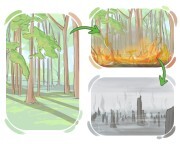
Ex: The hurricane scourged the coastal town, leaving behind a trail of destruction. 
Close
Sign in
to extirpate

to completely destroy or remove something
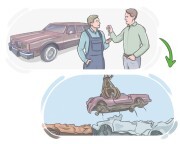
Ex: Conservationists are working to extirpate the invasive plant species threatening the native flora. 
Close
Sign in
to detract

to lessen the value or quality of something

Close
Sign in
to scrap
to scrap
[Verb]

to get rid of something that is old or no longer of use

Ex: When upgrading the computer system, the IT department had to scrap the old hardware. 
Close
Sign in
to deter
to deter
[Verb]

to stop something from happening

Ex: The visible security cameras are intended to deter theft in the store. 
Close
Sign in
to rid
to rid
[Verb]

to free from something undesirable or unwanted

Ex: She decided to rid her closet of old clothes by donating them to charity. 
Close
Sign in
to aggravate

to make a problem, situation, or condition worse or more serious

Ex: Ignoring medication can aggravate the symptoms of a chronic illness. 
Close
Sign in
to retaliate

to make a counterattack or respond in a similar manner
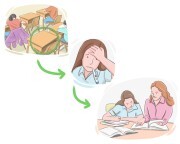
Ex: When betrayed by a close friend, she resisted the urge to retaliate the injury. 
Close
Sign in
to offset
to offset
[Verb]

to compensate for the effects of something through appropriate actions or measures

Ex: Planting trees can help offset carbon emissions in the environment. 
Close
Sign in
to annihilate

to destroy someone or something completely

Ex: The powerful explosion threatened to annihilate the entire building. 
Close
Sign in
preemptive
preemptive
[Adjective]

done before something else happens to prevent a problem or danger

Ex: The army took a preemptive action to stop the enemy before they attacked. 
Close
Sign in
detrimental
detrimental
[Adjective]

causing harm or damage

Ex: Smoking is detrimental to your health, increasing the risk of lung cancer and heart disease. 
Close
Sign in
depredation

(usually plural) the act of damaging and destructing

Close
Sign in
extermination

the act of completely destroying or eliminating something, especially a population or group
Ex: The extermination of invasive species is necessary to protect native ecosystems. 
Close
Sign in
retardant
retardant
[noun]

the thing that slows down or inhibits a process or action

Ex: Fire retardants are chemicals used to slow the spread of fires in buildings. 
Close
Sign in
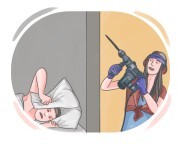
nuisance
nuisance
[noun]

something or someone that causes trouble and annoyance

Ex: The loud construction noise was a real nuisance. 
Close
Sign in
LanGeek
Download LanGeek app