pattern

C1 Level Wordlist - Digital Communication

Here you will learn some English words about digital communication, such as "payphone", "extension", "phablet", etc. prepared for C1 learners.

Review

Flashcards

Forms

Spelling

Quiz

Start learning
CEFR C1 Vocabulary
to browse
to browse
[Verb]

to check a web page, text, etc. without reading all the content

Ex: He browsed online forums to read reviews and opinions about the latest video games. 
Close
Sign in
to disconnect

to break a telephone conversation between two people

Ex: I accidentally disconnected the call when I pressed the wrong button on my phone. 
Close
Sign in
to navigate

(computing) to move from one website to another or find one's way around on a website

Ex: Students were taught how to navigate the educational platform to access course materials. 
Close
Sign in
to photobomb

to ruin someone's photo by making a sudden appearance or a silly face as the picture is about to be taken

Ex: The group of friends decided to photobomb the tourist's picture at the landmark. 
Close
Sign in
to spam
to spam
[Verb]

to send an unwanted advertisement or message online, usually to a lot of people

Ex: The bot spammed the comment section of the website with links to malicious websites. 
Close
Sign in
to unblock

to remove restrictions so that a website, phone, account, etc. can be accessed again

Ex: After resolving the security issue, the IT department decided to unblock access to the restricted website for employees. 
Close
Sign in
cellular
cellular
[Adjective]

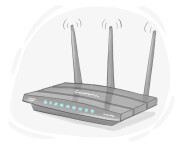
related to a telephone system that uses radio stations for communication
Ex: The cellular network coverage in rural areas is not as extensive as in urban areas. 
Close
Sign in
dead
dead
[Adjective]

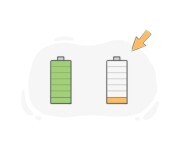
not functioning because of having no power
Ex: The flashlight went dead during the hike. 
Close
Sign in
broadband
broadband
[noun]

a system of Internet connection that allows users to share information simultaneously

Ex: The company upgraded its office to a broadband connection to accommodate the increased demand for high-speed Internet access. 
Close
Sign in
call-in
call-in
[noun]

a type of television or radio program in which the audience take part by calling the studio to voice their opinions

Ex: The call-in show on the local radio station invites listeners to share their thoughts on current events and community issues. 
Close
Sign in
cookie
cookie
[noun]

(computing) data that a web server sends to a browser and receives if the user visits the website again, used for identifying or tracking the user's activities

Ex: Websites use cookies to remember users' preferences and provide personalized experiences during their visits. 
Close
Sign in
domain
domain
[noun]

the last characters of a website's address such as '.com', '.org', etc.

Ex: The website's domain is crucial for establishing its online identity and presence. 
Close
Sign in
emoji
emoji
[noun]

a small digital icon or image used on social media or in text messages to show the tone of a message or its sender's facial expression, originated in Japan

Ex: She added a smiling face emoji to her text message to convey happiness. 
Close
Sign in
emoticon
emoticon
[noun]

a sign formed by keyboard characters to show the tone of a message or its sender's facial expression, used on social media or in text messages

Ex: She added a smiley emoticon at the end of her message to indicate friendliness. 
Close
Sign in
laugh out loud
laugh out loud
[interjection]

used especially in text or online messages to express laughter or amusement about something funny

Ex: When he told the joke, she responded with "LOL" to indicate that she found it funny. 
Close
Sign in
oh my God
oh my God
[interjection]

used to express shock, surprise, or excitement, particularly on social media or in text messages

Ex: OMG, I can't believe you got the job! 
Close
Sign in
payphone
payphone
[noun]

a telephone in a public place that one needs to pay for, mostly by prepaid cards

Ex: He searched for a payphone to call for help after his car broke down on the highway. 
Close
Sign in
telegraph
telegraph
[noun]

a communication system by which people were able to send and receive messages over long distances, using electrical or radio signals

Ex: The old train station still has a room dedicated to the telegraph, showcasing relics from the past. 
Close
Sign in
directory
directory
[noun]

(computing) an area on a computer containing files that are necessary for keeping the computer organized

Ex: The IT technician organized the files into separate directories to improve file management. 
Close
Sign in
keypad
keypad
[noun]

a group of numbered buttons on a surface used for operating a TV, phone, computer, etc.

Ex: The security system required a passcode to be entered on the keypad before granting access. 
Close
Sign in
extension
extension
[noun]

an extra telephone connected to the main phone line in a house

Ex: She picked up the extension in the bedroom to answer the call while her husband spoke on the main line. 
Close
Sign in
fax
fax
[noun]

a device that can send and receive documents in electronic form using a telephone line and then print them

Ex: He sent the contract via fax to ensure it reached the client promptly. 
Close
Sign in
intercom
intercom
[noun]

a communication system that allows people in different parts of a plane, office, etc. to speak to each other

Ex: The pilot used the intercom to update passengers on the flight status and weather conditions. 
Close
Sign in
teleconference

a meeting held among several people who are in different locations, linked via the Internet

Ex: The teleconference allowed team members from different locations to collaborate on the project. 
Close
Sign in
Internet of Things

the connection and exchange of data between everyday objects over the Internet

Ex: The Internet of Things refers to the network of interconnected devices and objects that collect and exchange data. 
Close
Sign in
meme
meme
[noun]

a video, image, etc. that has been altered to act as a joke or to tease someone, used and quickly spread by internet users

Ex: She created a hilarious meme featuring her pet that quickly became a internet sensation. 
Close
Sign in
phablet
phablet
[noun]

a phone that is a cross between a mobile phone and a tablet, larger than the former but smaller than the latter

Ex: The phablet combines the features of a smartphone and a tablet, offering users a larger screen for multimedia consumption. 
Close
Sign in
selfie
selfie
[noun]

a photo of a person that is taken by the same person, usually shared on social media

Ex: She snapped a quick selfie with her friends at the beach to capture the moment. 
Close
Sign in
vlog
vlog
[noun]

a form of video content, often published on websites or social media platforms, where individuals or content creators share their personal experiences, expertise, or opinions through recorded videos in a blog-like format
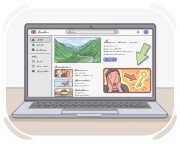
Ex: She started a vlog to document her travels and share her experiences with viewers. 
Close
Sign in
clickbait
clickbait
[noun]

a sensational or misleading online content designed to attract clicks

Ex: Many websites use clickbait headlines to increase their traffic and ad revenue. 
Close
Sign in
weblog
weblog
[noun]

a website that is regularly updated by its owner or owners and gives information about a specific topic or things that happen to them

Ex: She started her own weblog to share her thoughts on fashion, beauty, and lifestyle trends. 
Close
Sign in
cyberbullying

the use of electronic communication to harass, intimidate, or harm others, typically through social media, messaging apps, or online platforms

Ex: Cyberbullying involves using digital platforms such as social media, texts, or emails to harass, intimidate, or harm others. 
Close
Sign in
LanGeek
Download LanGeek app