Cambridge IELTS 19 - Academic - Test 4 - Reading - Passage 1 (1)

Here you can find the vocabulary from Test 4 - Reading - Passage 1 (1) in the Cambridge IELTS 19 - Academic coursebook, to help you prepare for your IELTS exam.

review-disable

review

flashcard-disable

flashcard

spelling-disable

spelling

quiz-disable

quiz

start-learning
Cambridge IELTS 19 - Academic
according to [preposition]

in regard to what someone has said or written

Ex: The book , according to the author , offers a unique perspective on the subject .

someone who makes efforts to protect the environment and wildlife from any type of harm
Ex: Conservationists advocate for sustainable practices to preserve natural resources for future generations .

a group of organisms of the same species inhabiting a given area

species [noun]

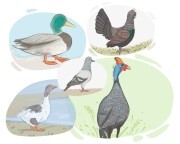
a group that animals, plants, etc. of the same type which are capable of producing healthy offspring with each other are divided into
Ex: The red wolf is a species of wolf that is native to the southeastern United States .

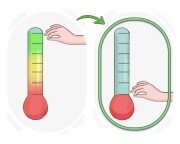
to reduce in amount, size, intensity, etc.

Ex: The popularity of the product declined after the release of a newer version .
trend [noun]

a tendency or pattern showing how things are changing or developing over time
Ex: Economic trends can affect jobs and prices .
unpredictable [adjective]

unable to be predicted because of changing many times

Ex: The stock market can be unpredictable , with prices fluctuating wildly from one day to the next .

a community of living organisms together with their physical environment, interacting as a system

Ex: Human activities like deforestation can disrupt fragile ecosystems and lead to biodiversity loss .

a long and small wormlike larva of a moth or butterfly that has many limbs

stage [noun]

a segment or phase of a journey or process
Ex: The project is currently in its initial stage , focusing on research and planning .

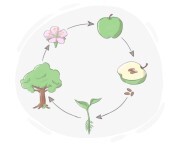
all the different stages of grow and development of a living organism

Ex: Plants have a unique life cycle that involves seeds , growth , and reproduction .

to eat or drink something

Ex: As part of the celebration , the family gathered to consume a delicious feast .
vast [adjective]

very great in amount or number

Ex: The vast number of volunteers ensured the event ran smoothly .
quantity [noun]

the amount of something or the whole number of things in a group

Ex: The scientist measured the quantity of rainfall over the course of a month .
in turn [adverb]

in a sequential manner, referring to actions or events occurring in a specific order

Ex: Employees were called into the meeting room in turn to receive their performance reviews .

to perform the role or function of something
Ex: The situation acted as a reminder of the challenges they still faced .
prey [noun]

an animal that is hunted and eaten by another animal
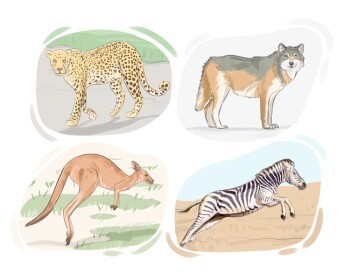
Ex: The spider spun a web to catch its prey .
mammal [noun]

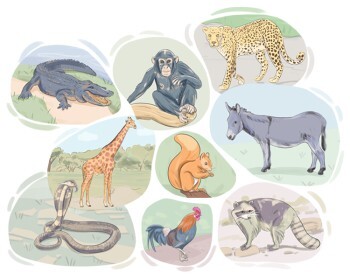
a class of animals to which humans, cows, lions, etc. belong, have warm blood, fur or hair and typically produce milk to feed their young

Ex: Elephants , with their distinctive trunks and large ears , are among the most iconic mammals found in Africa and Asia .
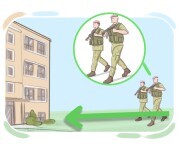
to arm [verb]

to get ready for a challenge or to prepare to fight

Ex: The army armed quickly for the battle ahead .
down [adjective]

having experienced a reduction in value or performance

Ex:
to halt [verb]

to stop or bring an activity, process, or operation to an end

Ex: In response to safety concerns , the airline chose to halt flights to the affected region .

to change something such as a process, situation, etc. to be the opposite of what it was before

Ex: The school board voted to reverse the decision to eliminate art and music programs .
decline [noun]

a change toward a smaller, lower, or reduced state
Ex: There has been a sharp decline in student enrollment this year .
outdoor [adjective]

(of a place or space) located outside in a natural or open-air setting, without a roof or walls

Ex: The restaurant has an outdoor seating area that ’s perfect for warm evenings .
under [preposition]

existing within a particular condition or situation
Ex: She grew up under difficult conditions .
main [adjective]

having the highest level of significance or central importance
Ex: His main responsibility as a project manager is to ensure deadlines are met .

to make sure that something will happen

Ex: The teacher is ensuring that students understand the new lesson .
to suit [verb]

to be a good or acceptable match for someone or something's preferences, needs, or circumstances
Ex:

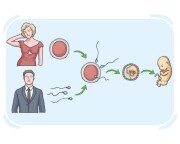
(of a living being) to produce offspring or more of itself
Ex: Humans reproduce through sexual reproduction , leading to the birth of babies .
timing [noun]

the time when something happens

to move ahead or proceed forward

Ex: With determination , the climbers began to advance up the steep mountain .
to leave [verb]

to let someone deal with something in one's place

Ex: Please leave the decision-making to the experts in this matter .

the study of natural cycles and seasonal events in plants and animals, focusing on how these patterns are connected to weather and climate changes

Ex: I will record leaf changes as part of my phenology project .
Cambridge IELTS 19 - Academic
Test 1 - Listening - Part 1 Test 1 - Listening - Part 2 Test 1 - Listening - Part 3 (1) Test 1 - Listening - Part 3 (2)
Test 1 - Listening - Part 4 (1) Test 1 - Listening - Part 4 (2) Test 1 - Reading - Passage 1 (1) Test 1 - Reading - Passage 1 (2)
Test 1 - Reading - Passage 2 (1) Test 1 - Reading - Passage 2 (2) Test 1 - Reading - Passage 2 (3) Test 1 - Reading - Passage 3 (1)
Test 1 - Reading - Passage 3 (2) Test 1 - Reading - Passage 3 (3) Test 2 - Listening - Part 1 Test 2 - Listening - Part 2 (1)
Test 2 - Listening - Part 2 (2) Test 2 - Listening - Part 3 (1) Test 2 - Listening - Part 3 (2) Test 2 - Listening - Part 4 (1)
Test 2 - Listening - Part 4 (2) Test 2 - Reading - Passage 1 (1) Test 2 - Reading - Passage 1 (2) Test 2 - Reading - Passage 1 (3)
Test 2 - Reading - Passage 2 (1) Test 2 - Reading - Passage 2 (2) Test 2 - Reading - Passage 2 (3) Test 2 - Reading - Passage 3 (1)
Test 2 - Reading - Passage 3 (2) Test 2 - Reading - Passage 3 (3) Test 3 - Listening - Part 1 Test 3 - Listening - Part 2 (1)
Test 3 - Listening - Part 2 (2) Test 3 - Listening - Part 3 (1) Test 3 - Listening - Part 3 (2) Test 3 - Listening - Part 4 (1)
Test 3 - Listening - Part 4 (2) Test 3 - Reading - Passage 1 (1) Test 3 - Reading - Passage 1 (2) Test 3 - Reading - Passage 1 (3)
Test 3 - Reading - Passage 2 (1) Test 3 - Reading - Passage 2 (2) Test 3 - Reading - Passage 2 (3) Test 3 - Reading - Passage 3 (1)
Test 3 - Reading - Passage 3 (2) Test 3 - Reading - Passage 3 (3) Test 3 - Reading - Passage 3 (4) Test 4 - Listening - Part 1 (1)
Test 4 - Listening - Part 1 (2) Test 4 - Listening - Part 2 (1) Test 4 - Listening - Part 2 (2) Test 4 - Listening - Part 3 (1)
Test 4 - Listening - Part 3 (2) Test 4 - Listening - Part 4 (1) Test 4 - Listening - Part 4 (2) Test 4 - Listening - Part 4 (3)
Test 4 - Reading - Passage 1 (1) Test 4 - Reading - Passage 1 (2) Test 4 - Reading - Passage 1 (3) Test 4 - Reading - Passage 2 (1)
Test 4 - Reading - Passage 2 (2) Test 4 - Reading - Passage 2 (3) Test 4 - Reading - Passage 2 (4) Test 4 - Reading - Passage 3 (1)
Test 4 - Reading - Passage 3 (2) Test 4 - Reading - Passage 3 (3) Test 4 - Reading - Passage 3 (4)