pattern

Cambridge IELTS 18 - Academic - Test 2 - Listening - Part 3 (2)

Here you can find the vocabulary from Test 2 - Listening - Part 3 (2) in the Cambridge IELTS 18 - Academic coursebook, to help you prepare for your IELTS exam.

Review

Flashcards

Forms

Spelling

Quiz

Start learning
Cambridge IELTS 18 - Academic
to run through

to go over, read, or explain something quickly

Ex: The conductor ran through the musical score with the orchestra to prepare for the evening's performance. 
Close
Sign in
varied
varied
[Adjective]

including or consisting of many different types

Ex: The menu offered a varied selection of dishes from around the world. 
Close
Sign in
range
range
[noun]

a variety of things that are different but are of the same general type
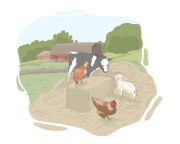
Ex: The store offers a wide range of electronics, from smartphones to laptops. 
Close
Sign in
livestock
livestock
[noun]

animals that are kept on a farm, such as cows, pigs, or sheep
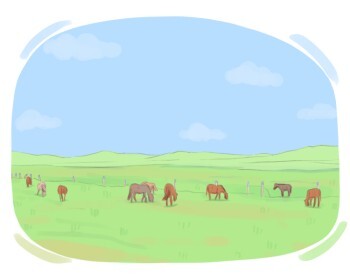
Ex: The farm had a variety of livestock, including cows, pigs, and sheep. 
Close
Sign in
to graze
to graze
[Verb]

(of sheep, cows, etc.) to feed on the grass in a field
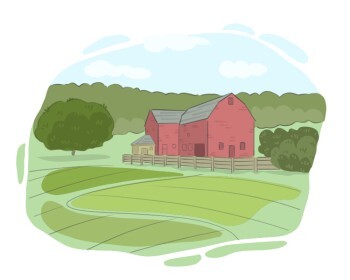
Ex: The sheep were allowed to graze freely in the meadow. 
Close
Sign in
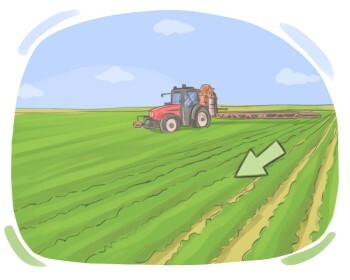
field
field
[noun]

a piece of land in the country, especially one where crops are grown or animals are kept, typically surrounded by a fence, etc.

Ex: Sheep were grazing peacefully in the green field. 
Close
Sign in
vegetation

trees and plants in general, particularly those of a specific habitat or area
Ex: The dense vegetation in the tropical rainforest creates a lush canopy that filters sunlight and supports a myriad of wildlife. 
Close
Sign in
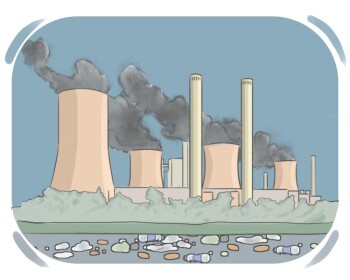
to contaminate

to make a place, substance, etc. dirty or harmful by adding dangerous material

Ex: The factory's discharge pipes contaminated the river with toxic chemicals. 
Close
Sign in
fluorine
fluorine
[noun]

a nonmetallic univalent element belonging to the halogens; usually a yellow irritating toxic flammable gas; a powerful oxidizing agent; recovered from fluorite or cryolite or fluorapatite

Close
Sign in
as a result
as a result
[Adverb]

used to indicate the outcome of a preceding action or situation

Ex: He worked hard on his studies, and as a result, he achieved top grades in the class. 
Close
Sign in
fallout
fallout
[noun]

airborne particles, such as dust or debris, that settle after a nuclear explosion or similar event

Ex: After the nuclear test, the fallout spread over a wide area, causing environmental contamination. 
Close
Sign in
bizarre
bizarre
[Adjective]

strange or unexpected in appearance, style, or behavior

Ex: The bizarre sculpture in the park, with its surreal combination of animal and human features, intrigued passersby. 
Close
Sign in
pattern
pattern
[noun]

a regular and distinct sequence that can be found in certain situations
Close
Sign in
severe
severe
[Adjective]

very harsh or intense

Ex: The building suffered severe damage from the earthquake. 
Close
Sign in
drought
drought
[noun]

a long period of time when there is not much raining

Ex: The city imposed water restrictions because of the drought. 
Close
Sign in
nile river

the world's longest river (4150 miles); flows northward through eastern Africa into the Mediterranean; the Nile River valley in Egypt was the site of the world's first great civilization
Close
Sign in
crop
crop
[noun]

a plant that is grown for food over large areas of land
Ex: The farmers planted a new crop of wheat this season. 
Close
Sign in
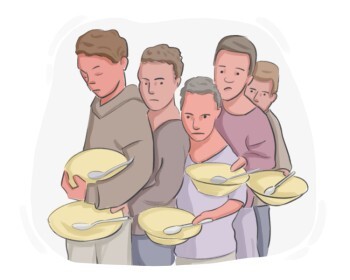
famine
famine
[noun]

a situation where there is not enough food that causes hunger and death
Ex: Many children were orphaned as a result of the famine. 
Close
Sign in
plague
plague
[noun]

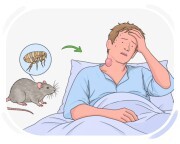
a dangerous disease spread by rats that causes fever and swellings, often kills if infected

Ex: The plague, also known as the Black Death, is a deadly infectious disease caused by the bacterium Yersinia pestis. 
Close
Sign in
mortality rate

the number of deaths in a particular population over a specific period of time, usually expressed as a ratio or percentage

Close
Sign in
presumably
presumably
[Adverb]

used to say that the something is believed to be true based on available information or evidence

Ex: She left the office early, presumably to attend a family event. 
Close
Sign in
according to
according to
[preposition]

in regard to what someone has said or written
Ex: According to the weather forecast, it will rain tomorrow. 
Close
Sign in
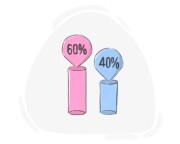
percentage

a number or amount expressed as a fraction of 100

Ex: The percentage of students who passed the exam increased significantly this year. 
Close
Sign in
diary
diary
[noun]

a book or journal in which one records personal experiences, thoughts, or feelings on a regular basis, usually on a daily basis

Ex: She kept a diary throughout her travels, documenting her experiences and the people she met along the way. 
Close
Sign in
snowbound
snowbound
[Adjective]

confined or shut in by heavy snow

Close
Sign in
to float
to float
[Verb]

to be in motion on a body of water or current of air at a slow pace

Ex: As the paper boat was set adrift, it started to float lazily along the tranquil pond. 
Close
Sign in
unprecedented
unprecedented
[Adjective]

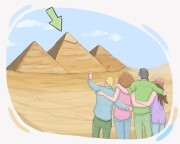
never having existed or happened before
Ex: The pandemic caused an unprecedented disruption to global travel and commerce. 
Close
Sign in
astonishing
astonishing
[Adjective]

causing great surprise or amazement due to being impressive, unexpected, or remarkable

Ex: She shared an astonishing story about her travels in Africa. 
Close
Sign in
formal
formal
[Adjective]

logically deductive

Close
Sign in
profound
profound
[Adjective]

showing the intensity or greatness of something

Ex: The novel had a profound impact on readers, prompting deep reflection on the human condition. 
Close
Sign in
contradiction

a statement or proposition that denies another statement or proposition

Ex: His modest, mild-mannered persona is quite a contradiction to the characters he plays on film. 
Close
Sign in
data
data
[noun]

information or facts collected to be used for various purposes
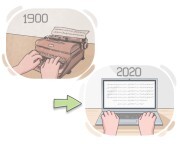
Ex: The scientist analyzed the data collected from the experiment. 
Close
Sign in
contemporary
contemporary
[Adjective]

belonging to the current era

Ex: We studied the contemporary political landscape to understand today's issues. 
Close
Sign in
to associate

to make a connection between someone or something and another in the mind

Ex: Many people associate the smell of freshly baked cookies with warmth and home. 
Close
Sign in
to block out

to create a barrier that prevents light or noise from reaching a specific space
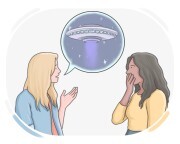
Ex: A thick layer of paint can block out graffiti on walls. 
Close
Sign in
to claim
to claim
[Verb]

to say that something is the case without providing proof for it

Ex: The controversial article regularly claims that a UFO sighting occurred last night. 
Close
Sign in
conclusion

a decision reached after thoroughly considering all relevant information

Ex: After reviewing all the evidence, the jury reached a conclusion. 
Close
Sign in
to identify

to find or discover something by searching for its features, characteristics, or details
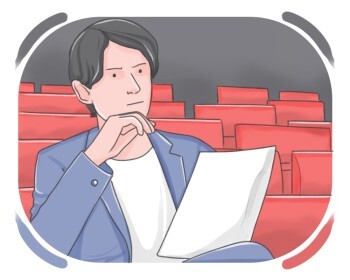
Ex: She identified the problem after carefully checking the machine. 
Close
Sign in
observer
observer
[noun]

an expert who observes and comments on something

Close
Sign in
widespread
widespread
[Adjective]

existing or spreading among many people, groups, or communities through communication, influence, or awareness

Ex: The misinformation about the new policy became widespread on social media. 
Close
Sign in
long-lasting
long-lasting
[Adjective]

enduring or remaining for a considerable amount of time without quickly wearing off or disappearing

Ex: The new paint is advertised as being long-lasting, resistant to fading and wear. 
Close
Sign in
to ignore
to ignore
[Verb]

to overlook or neglect something important or noteworthy

Ex: He ignored the warning signs and continued driving despite the storm. 
Close
Sign in
warning sign

something that shows there may be danger, trouble, or a problem ahead
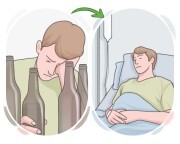
Ex: The dark clouds were a warning sign of the coming storm. 
Close
Sign in
to suffer
to suffer
[Verb]

to experience and be affected by something bad or unpleasant

Ex: They suffered the consequences of their actions. 
Close
Sign in
loss
loss
[noun]

the act or process of no longer having someone or something
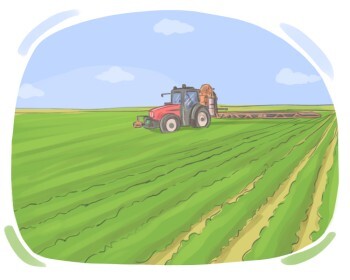
Ex: The loss of her keys caused her to be late. 
Close
Sign in
agriculture

the practice and study of growing crops and raising animals for food or other products
Ex: Agriculture provides food for people around the world. 
Close
Sign in
predictable
predictable
[Adjective]

easily anticipated or expected to happen based on past experiences or knowledge
Ex: The movie's predictable plot followed a typical Hollywood formula. 
Close
Sign in
particularly
particularly
[Adverb]

to a degree that is higher than usual

Ex: The restaurant is particularly busy on Friday nights. 
Close
Sign in
harsh
harsh
[Adjective]

having an unpleasant or rough nature, in a way that is difficult to endure

Ex: Having endured harsh conditions in the desert, the survivors were physically exhausted. 
Close
Sign in
to poison
to poison
[Verb]

to make land, water, air, or other natural areas unsafe and harmful by spreading dangerous chemicals or substances

Ex: Chemicals poisoned the soil near the plant. 
Close
Sign in
dramatic
dramatic
[Adjective]

surprising or exciting in appearance or effect

Ex: The sunset painted the sky in dramatic hues of orange and pink. 
Close
Sign in
LanGeek
Download LanGeek app