
Cambridge IELTS 18 - Academic - Test 2 - Poslech - Část 3 (2)
Naučte se slovní zásobu z druhé části Cambridge IELTS 18 Academic, Test 2 Listening Part 3, s užitečnými slovy a výrazy z této sekce.
Revize
Kartičky
tvary
Pravopis
Kvíz


to go over, read, or explain something quickly

projít, rychle přečíst
Prezentátor projede hlavní témata konference v krátkém úvodním projevu.

including or consisting of many different types
různorodý, rozmanitý
Jeho zájmy byly různorodé, včetně sportu, hudby a literatury.
a variety of things that are different but are of the same general type
rozsah, škála
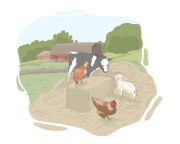
animals that are kept on a farm, such as cows, pigs, or sheep
dobytek, hospodářská zvířata
Dobytek poskytoval rodině potravu a příjem po mnoho let.
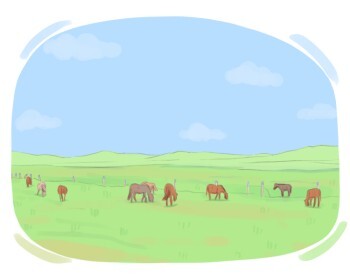
(of sheep, cows, etc.) to feed on the grass in a field
pást se, spásat
Pastýř vedl stádo, aby se páslo na svahu.
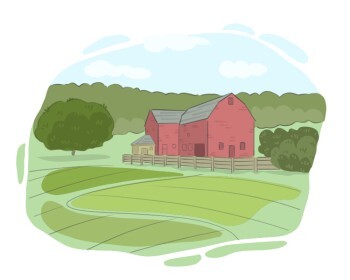
a piece of land in the country, especially one where crops are grown or animals are kept, typically surrounded by a fence, etc.
pole, louka

trees and plants in general, particularly those of a specific habitat or area
vegetace, flóra
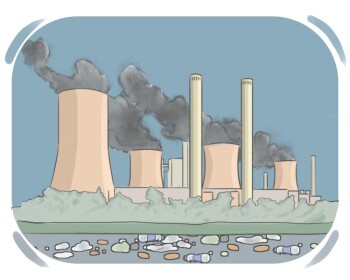
to make a place, substance, etc. dirty or harmful by adding dangerous material
kontaminovat, znečišťovat
Úniky ropy mohou kontaminovat pláže a mořské ekosystémy, což způsobuje rozsáhlé škody na životním prostředí.
(chemistry) a highly reactive, pale yellow, toxic gas that belongs to the halogens and is a strong oxidizing agent
fluor
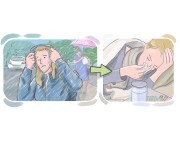
used to indicate the outcome of a preceding action or situation
jako výsledek, v důsledku toho
V důsledku toho byli nuceni snížit své operace.
airborne particles, such as dust or debris, that settle after a nuclear explosion or similar event
radioaktivní spad, spad
Armáda provedla studie o chování částic radioaktivního spadu, aby lépe pochopila jejich šíření.

strange or unexpected in appearance, style, or behavior
bizarní, podivný
Jeho bizarní sbírka starožitných lékařských přístrojů, vystavená prominentně v obývacím pokoji, způsobovala hostům nepohodlí.
a regular and distinct sequence that can be found in certain situations
vzor, model
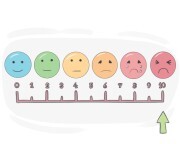
very harsh or intense
vážný, přísný
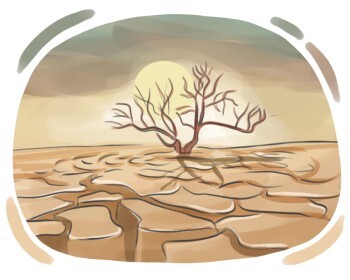
a long period of time when there is not much raining
sucho, nedostatek vody
Těžké sucho postihlo jak lidskou, tak i zvířecí populaci.
the world's longest river (4150 miles); flows northward through eastern Africa into the Mediterranean; the Nile River valley in Egypt was the site of the world's first great civilization
řeka Nil, Nil
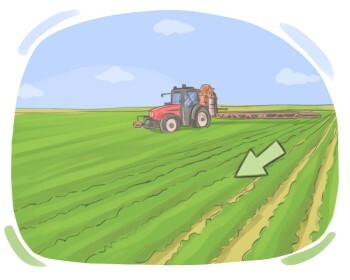
a plant that is grown for food over large areas of land
plodina, sklizeň
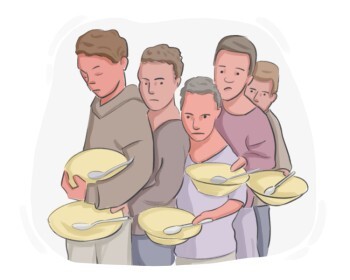
a situation where there is not enough food that causes hunger and death
hladomor, nedostatek potravin
Hladomor způsobil velké utrpení mezi obyvatelstvem.
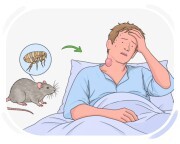
a dangerous disease spread by rats that causes fever and swellings, often kills if infected
mor, černá smrt
the number of deaths in a particular population over a specific period of time, usually expressed as a ratio or percentage
úmrtnost, mortalita
used to say that the something is believed to be true based on available information or evidence
pravděpodobně, předpokládaně
Termín projektu byl prodloužen, pravděpodobně aby byl poskytnut více času na důkladný výzkum a vývoj.

in regard to what someone has said or written
podle, dle
Podle předpovědi počasí bude zítra pršet.
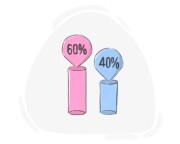
a number or amount expressed as a fraction of 100
procento

a book or journal in which a person regularly records experiences, events, thoughts, or feelings
deník, zápisník
confined or shut in by heavy snow
zablokovaný sněhem, uzavřený těžkým sněhem

to move slowly and gently on water or through the air
plout
never having existed or happened before
bezprecedentní, nebývalý
Pandemie způsobila bezprecedentní narušení globálního cestování a obchodu.
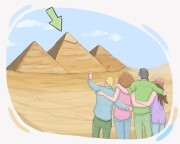
causing great surprise or amazement due to being impressive, unexpected, or remarkable
ohromující, úžasný
Během archeologických vykopávek byly učiněny úžasné objevy.
logically deductive
formální, deduktivní

very great, intense, or far-reaching in degree or effect
hluboký, dalekosáhlý
a statement or proposition that denies or conflicts with another statement or proposition
rozpor

information or facts collected to be used for various purposes
data, informace
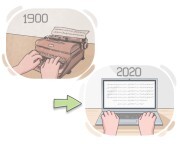
belonging to the current era
současný, aktuální
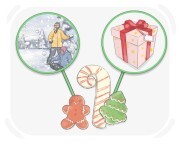
to make a connection between someone or something and another in the mind
spojovat, asociovat
to create a barrier that prevents light or noise from reaching a specific space
zablokovat, zakrýt
Oddělovače místností byly používány k oddělení spolupracovníků u jejich stolů v otevřeném kancelářském prostoru.

to say that something is the case without providing proof for it
tvrdit, nárokovat
a decision reached after thoroughly considering all relevant information
závěr, rozhodnutí
to find or discover something by searching for its features, characteristics, or details
identifikovat, rozpoznat

a knowledgeable person who studies events or developments and comments on them
pozorovatel
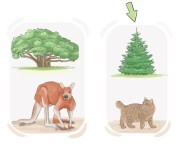
existing or spreading among many people, groups, or communities through communication, influence, or awareness
rozšířený, obecný
Přesvědčení, že je nutné vypít osm sklenic vody denně, je rozšířené, ale není vědecky prokázané.
enduring or remaining for a considerable amount of time without quickly wearing off or disappearing
dlouhotrvající, odolný
Smlouva vytvořila dlouhotrvající mír mezi dvěma národy po desetiletích konfliktu.
to overlook or neglect something important or noteworthy
ignorovat, zanedbávat
something that shows there may be danger, trouble, or a problem ahead
varovné znamení, signál nebezpečí
Tmavé mraky byly varovným znamením blížící se bouře.
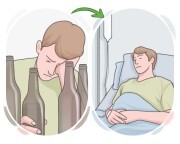
to experience and be affected by something bad or unpleasant
trpět, snášet

the act or process of no longer having someone or something
ztráta, úbytek
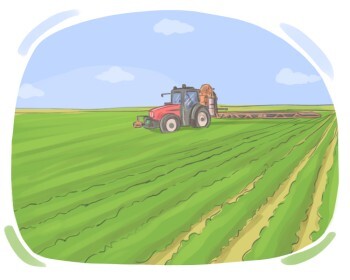
the practice and study of growing crops and raising animals for food or other products
zemědělství, agronomie
easily anticipated or expected to happen based on past experiences or knowledge
předvídatelný, očekávaný
Výsledek experimentu byl předvídatelný, založený na známých zákonech fyziky.

to a degree that is higher than usual
zvláště, obzvláště
Nový zaměstnanec byl obzvláště zdatný v řešení problémů.
unpleasantly strong, bright, loud, bitter, or otherwise offensive to the senses
drsný, ostrý
to contaminate land, water, or air with harmful or toxic substances
otrávit, kontaminovat
surprising or exciting in appearance or effect
úchvatný, dramatický
