
Kniha Solutions - Pokročilý - Jednotka 8 - 8A
Zde najdete slovní zásobu z jednotky 8 - 8A v učebnici Solutions Advanced, jako je "spiknutí", "obvinění", "pomluva" apod.
Revize
Kartičky
tvary
Pravopis
Kvíz

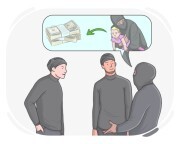
to secretly make a plan to harm someone or do something illegal

koutat pikle, intrikovat

a loud, sustained noise or shout of disapproval, protest, or outrage
výkřik, protest
Sociální média zesílila povyk proti nespravedlivému zacházení s pracovníky.
the act of making previously secret or unknown information known
odhalení, zjevení
damaging or malicious gossip about someone's private life or behavior
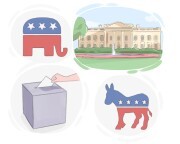
related to or involving the governance of a country or territory
politický
Média hrají klíčovou roli v informování veřejnosti o politických událostech a v odpovědnosti volených úředníků.

a secret plan by a group to commit an unlawful, harmful, or treacherous act
spiknutí, konspirace
Spiknutí bylo plánováno v tajnosti po celé měsíce.
a belief or explanation that suggests a secret group or organization is responsible for an event, often involving illegal or dishonest activities
konspirační teorie, konspiracionismus
Věřit, že přistání na Měsíci bylo falešné, je běžná konspirační teorie.
an attempt to conceal something, often an illegal or unethical action or situation
krytí, zakrývání
Zapojení politika do skandálu bylo součástí většího krytí ze strany vlády.
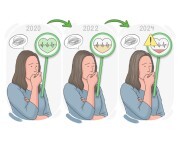
to put someone or something in a position in which they are vulnerable or are at risk
vystavit, ohrozit
a published false statement that damages a person's reputation
pomluva, urážka na cti
Soud rozhodl ve prospěch žalobce a přiznal náhradu škody za emocionální tíseň a finanční ztrátu způsobenou pomluvou.
a false and malicious statement made about someone with the intent to harm their reputation or character
pomluva, urážka na cti
Byl obviněn z pomluvy, když veřejně vznesl nepodložená obvinění proti svému kolegovi.

to say that a person or group has done something wrong
obviňovat, obvinit
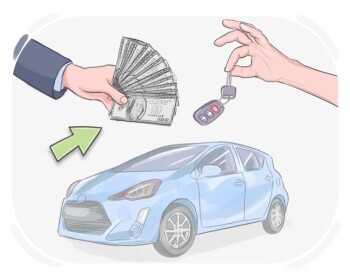
to distribute money or funds, usually as a payment for something or as compensation for a loss or damage
vyplatit, rozdat
Společnost musela po nehodě vyplatit pracovníkům značnou částku jako odškodnění.
the state in which a person or an organization is highly respected and esteemed by others
pověst, renomé
to become apparent after a period of development, transformation, or investigation
objevit se, vynořit se

(computing) to illegally access a computer system, network, or online account in order to find, use, or change the information it contains
hackovat, neoprávněně vstoupit
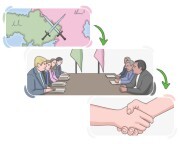
to reach or gain a particular thing, typically requiring significant amount of effort
získat, zajistit
a piece of news reported by a news agency sooner than other media channels or newspapers
exkluzivní zpráva, scoop
Scoop novinářky o finančním skandálu společnosti jí vynesl uznání a respekt v oboru.

to listen to a conversation or communication without participating
poslouchat, odposlouchávat
Učitel poslouchal rozhovor studentů, aby se ujistil, že zůstávají v tématu.
to resolve a legal dispute decisively or definitively, often in order to bring an end to it
vyřešit, ukončit
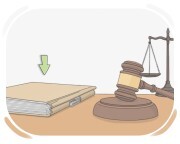
a complaint or claim that someone brings to a law court for settlement
žaloba, soudní spor
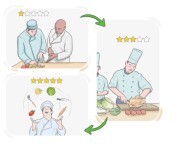
to get something, often with difficulty
získat, opatřit si
information that is not yet publicly available, and is known only to a select group of people
vnitřní informace, privilegované informace
Šetření odhalilo, že několik zaměstnanců obchodovalo s vnitřními informacemi.
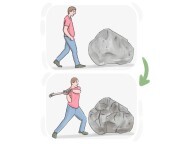
to deal with a given situation, especially an unpleasant one
čelit, vypořádat se
an assertion of fact made by a party in a legal proceeding that the party intends to support with evidence
tvrzení, obvinění
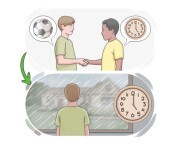
to prevent something from moving or progressing
bránit, ztěžovat
Podvrtnutý kotník může bránit vašemu pohybu během fyzických aktivit.
the process of seeking information or knowledge through investigation, exploration, or analysis
vyšetřování, dotaz

to make available for sale or distribution to the public
vydat, publikovat

something that a person says or writes that shows they regret what they did to someone
omluva, lítost
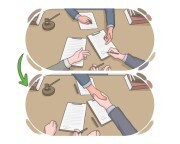
a promise, an arrangement, or a contract between two or more people
dohoda, smlouva

a formal agreement to something
schválení, souhlas
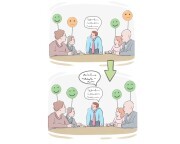
to agree to a request, proposal, or demand
přistoupit na, souhlasit s
Navzdory počátečním váháním ředitel nakonec vyhověl žádosti studentů o další mimoškolní aktivity.
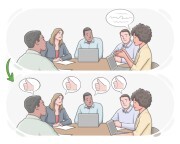
to express agreement with a particular opinion, statement, action, etc.
souhlasit, shodovat se
Jak jednání postupovalo, obě strany našly společnou řeč a začaly souhlasit s klíčovými podmínkami partnerství.
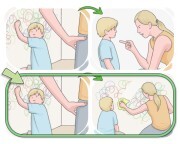
to accept or forgive something that is commonly believed to be wrong
tolerovat, odpustit
Nedokázat čelit nebo řešit diskriminační poznámky v rámci komunity může neúmyslně tolerovat takové chování.
to reluctantly accept something without protest
souhlasit neochotně, podrobit se
Představenstvo neochotně souhlasilo s rozhodnutím generálního ředitele, ačkoli někteří členové nesouhlasili.

to agree to something, such as a suggestion, request, etc.
souhlasit, přisvědčit
Správní rada souhlasila s úpravami rozpočtu.
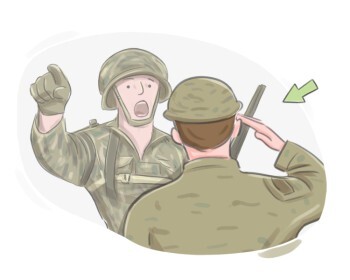
to act according to a rule, law, order, or request
dodržovat, vyhovět
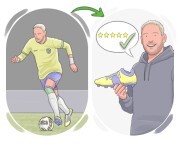
to publicly express approval of or support for someone or something
podporovat, schvalovat
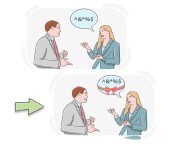
a word or expression that is used instead of a harsh or insulting one in order to be more tactful and polite
eufemismus, zmírněný výraz
V zdvořilé konverzaci mohou lidé použít eufemismus 'koupelna' nebo 'toaleta' místo 'toaleta', aby odkazovali na místo, kde se lze ulevit.
the act of exchanging or trading one thing for another
výměna, barter
a particular way of seeing or understanding something
pohled, názor

to think or believe that it is possible for something to happen or for someone to do something
očekávat, předpokládat
in a way that concerns money, trade, or financial matters
ekonomicky, z ekonomického hlediska
Politika je ekonomicky výhodná pro malé podniky.
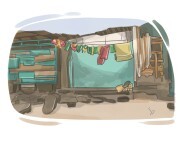
(of a person or area) facing challenging circumstances, especially financially or socially
znevýhodněný, zanedbaný
Vyrůstala v znevýhodněné oblasti a čelila omezeným příležitostem k postupu.
the forced removal or elimination of a particular ethnic or religious group from a specific geographic area, often through violent means
etnické čistky, etnické očištění
having less hair, particularly on the upper part of the head, often leading to baldness
řídnoucí vlasy na temeni, plešatění
Jeho vlasy jsou řídké na temeni, takže je nosí velmi krátké.
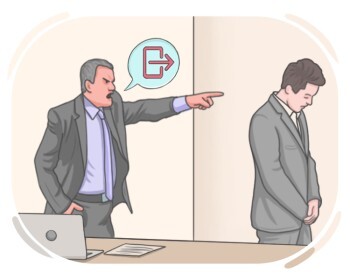
to dismiss someone from their job or employment, often due to poor performance or misconduct
propustit, vyhodit
Manažer se rozhodl ji propustit kvůli opakovaným porušením politiky.
false or inaccurate information that is spread or communicated, often with the intention of deceiving or misleading others
dezinformace, nepravdivá informace
Politická kampaň byla obviněna z úmyslného šíření dezinformací za účelem ovlivnění voličů.
previously owned or used by someone else before being sold or resold, often in reference to goods such as cars, electronics, or clothing
použitý, z druhé ruky
Mnoho lidí se rozhodne koupit použité nábytek, protože je cenově dostupnější a ekologičtější.

a room in a public place with a toilet in it
toaleta, záchod
Veřejné toalety jsou obvykle označeny genderově specifickými značkami.
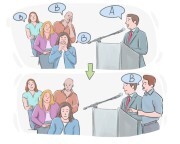
a person or group of people who are often employed by politicians, public figures, or the government in order to shape the public opinion in their favor
mediální manipulátor, odborník na překrucování dojmu
Dobrý mediální manipulátor dokáže špatnou zprávu podat jako chytrou strategii.
the use of language, behavior, or policies that are intended to avoid offense or discrimination towards certain groups of people
politická korektnost, politicky korektní
Byl obviněn z nedostatku politické korektnosti, když udělal vtip, který urazil několik kolegů.
used to describe a person who advocates for socialist policies but is perceived to live a luxurious or privileged lifestyle
šampaňský socialista, salónní socialista
Někteří lidé ji vidí jako šampaňského socialistu, protože mluví o spravedlnosti a rovnosti, zatímco žije v milionové vile.
a difficult or controversial issue or topic that is uncomfortable or risky to handle
ožehavé téma, citlivá záležitost
Imigrační politika se znovu stala politicky ožehavým tématem.
to express one's strong opinions or beliefs publicly and forcefully, often in a long and impassioned speech

one's acquaintances who possess great influence and are willing to help one get out of trouble or achieve what one desires
vlivní známí, mocné kontakty
Vlivní známí jim pomohli získat zakázku.
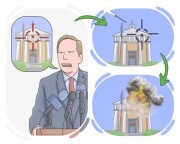
to officially give permission for a specific action, process, etc.
povolit, schválit
Banky často vyžadují, aby zákazníci autorizovali určité transakce podpisem nebo jinými ověřovacími metodami.
to engage in activities or behaviors that are intended to gain or maintain power or advantage within a group or organization
to advance in one's career or social status by using unfair or dishonest methods, often while competing with others who have similar goals
| Kniha Solutions - Pokročilý | |||
|---|---|---|---|
| Jednotka 7 - 7H | Jednotka 8 - 8A | Jednotka 8 - 8C | Jednotka 8 - 8E |
| Jednotka 8 - 8F | Jednotka 9 - 9A | Jednotka 9 - 9C | Jednotka 9 - 9D |
| Jednotka 9 - 9E | Jednotka 9 - 9F | Jednotka 9 - 9G | |
