
Kniha Interchange - Předstředně pokročilý - Jednotka 12 - Část 1
Zde najdete slovní zásobu z jednotky 12 - část 1 v učebnici Interchange Pre-Intermediate, jako je "cizinec", "nespavost", "soustředit se" atd.
Revize
Kartičky
tvary
Pravopis
Kvíz
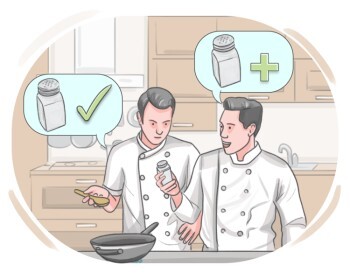
having a lot of value

důležitý, rozhodující
Šetření vodou je důležité pro udržitelné využívání přírodních zdrojů.
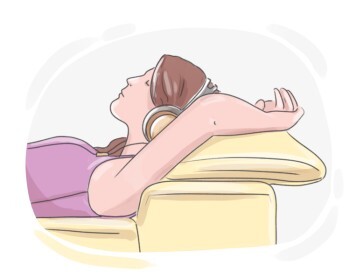
a period of relaxing, sleeping or doing nothing, especially after a period of activity
odpočinek, přestávka
Obvykle si odpočine (odpočinek) po návratu domů z práce.
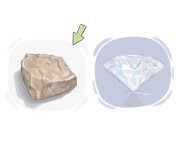
regular and without any exceptional features
běžný, obyčejný
Jeho odpověď byla tak běžná, že v rozhovoru nevynikla.

a condition or issue that affects a person's physical or mental well-being, ranging from minor illnesses to chronic diseases
zdravotní problém, zdravotní porucha
Včasné odhalení může zabránit zhoršení některých zdravotních problémů.
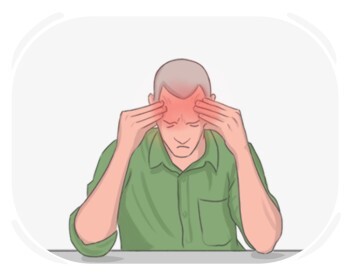
a pain in the head, usually persistent
bolest hlavy
Příliš mnoho kofeinu může někdy způsobit bolest hlavy.
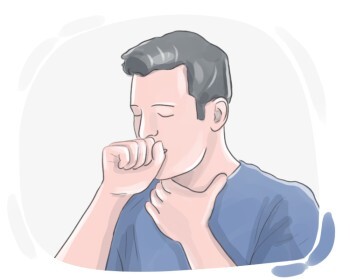
to push air out of our mouth with a sudden noise
kašlat, dostat kašel
Když během svého projevu začal kašlat, někdo mu nabídl sklenici vody.
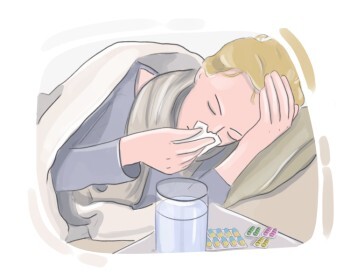
a mild disease that we usually get when viruses affect our body and make us cough, sneeze, or have fever
nachlazení, rýma
Nemohla jít do školy kvůli těžké nachlazení.
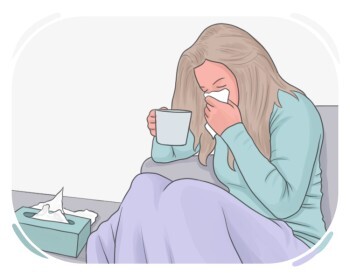
an infectious disease similar to a bad cold, causing fever and severe pain
chřipka
Nošení roušky může pomoci zabránit šíření chřipky.
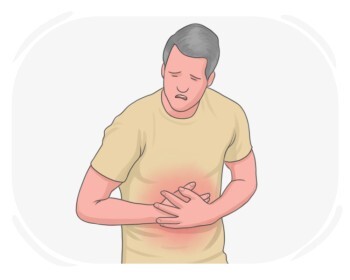
a pain in or near someone's stomach
bolest žaludku, bolest břicha
Bolest břicha byla tak silná, že musel jít do nemocnice.
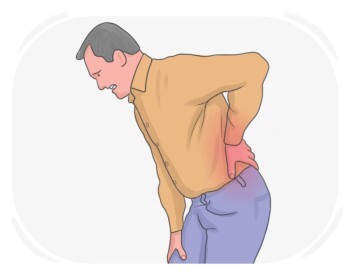
a pain in someone's back
bolest zad, lumbago
Můj otec často trpí bolestí zad po dlouhém dni v práci.
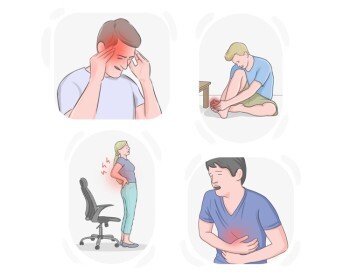
(of a body part) feeling painful or tender, often as a result of injury, strain, or illness
bolavý, citlivý
Mary měla bolavý zub, který jí ztěžoval žvýkání na té straně úst.
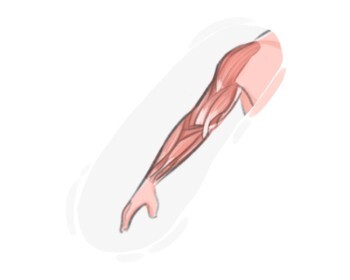
a piece of body tissue that is made tight or relaxed when we want to move a particular part of our body
sval
Silné svaly vzpěrače mu pomohly zvedat těžké váhy.
a disorder in which one is unable to sleep or stay asleep
nespavost, porucha spánku
Navzdory pocitu vyčerpání mu jeho nespavost znemožnila dobře se v noci vyspat.
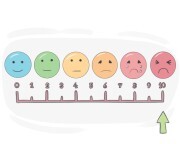
extremely bad or unpleasant
strašný, hrozný
Cítil se hrozně, že zapomněl narozeniny svého přítele, a chtěl to napravit.
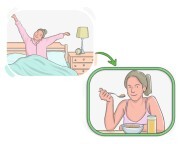
after the thing mentioned
poté, pak
Dokončila své jídlo a pak šla na procházku.
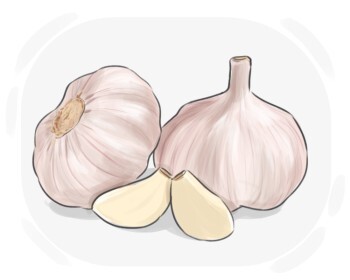
a type of vegetable having a strong smell and spicy flavor that is used in cooking
česnek
Omáčka na těstoviny chutnala bohatě s přídavkem česneku a bylinek.
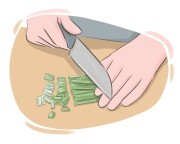
to cut something into pieces using a knife, etc.
krájet, seká
Včera večer nasekala bylinky na marinádu.
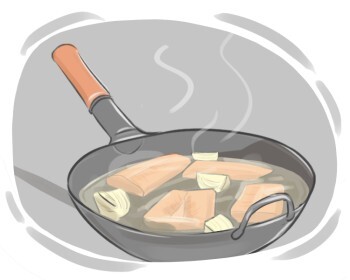
to cook food in very hot water
vařit, povařit
Uvařili humra na mořskou hostinu.
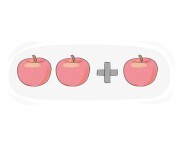
to put things together to make them bigger in size or quantity
přidat, sečíst
Do zprávy byl přidán dodatečný odstavec pro další informace.
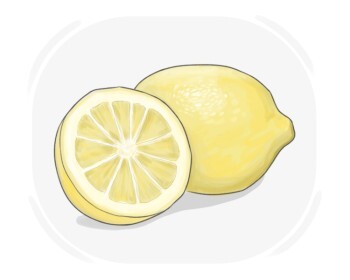
a juicy sour fruit that is round and has thick yellow skin
citron, limetka
Na trhu byly vystaveny živé žluté citrony.
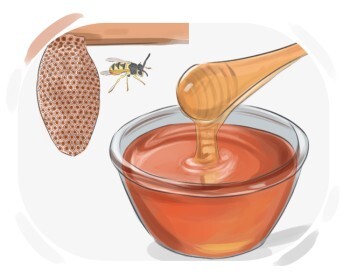
a sweet, sticky, thick liquid produced by bees that is yellow or brown and we can eat as food
med, včelí med
Použili jsme med jako přírodní sladidlo v našem domácím salátovém dresinku.

used to express disgust or strong dislike towards something
Fuj!, Ble!
Fuj, tato koupelna je tak špinavá.
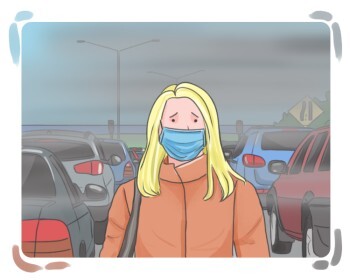
extremely unpleasant or disagreeable
strašný, hrozný
Dostali strašnou zprávu o nehodě svého přítele.
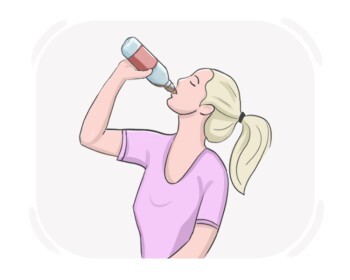
to put water, coffee, or other type of liquid inside of our body through our mouth
pít
Raději pije horkou čokoládu v zimě, ne v létě.

a suggestion or thought about something that we could do
nápad, návrh
Sarah navrhla skvělý nápad pro nadcházející fundraising.
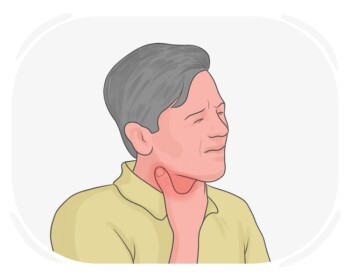
a condition when you feel pain in the throat, usually caused by bacteria or viruses
bolest v krku
Vypila horký čaj s medem, aby uklidnila své bolest v krku.
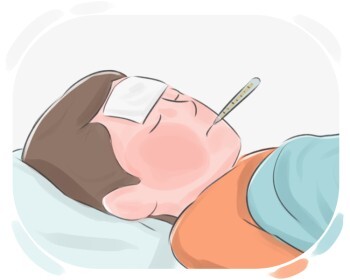
a condition when the body temperature rises, usually when we are sick
horečka, teplota
Po vystavení viru se u ní rozvinula horečka.
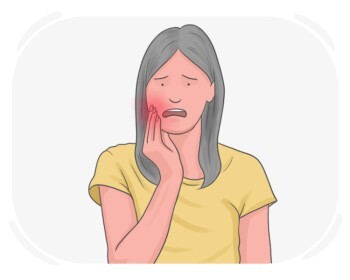
pain felt in a tooth or several teeth
bolest zubů, zubní bolest
Naplánovala si schůzku se svým zubařem, aby léčila svou bolest zubů.
a place or area that has been damaged or injured by fire or heat
popálenina, spálení
Popálenina od vroucí vody zanechala jizvu na jeho noze.
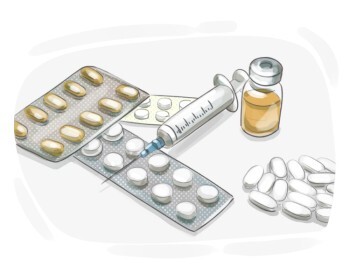
a substance that treats injuries or illnesses
lék, medicína
Dítě odmítlo vzít hořkou lék.
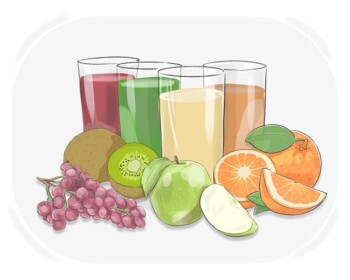
a substance such as water that flows freely, unlike a gas or a solid
kapalina
Když led roztál, změnil se zpět na kapalnou vodu a naplnil sklenici po okraj.
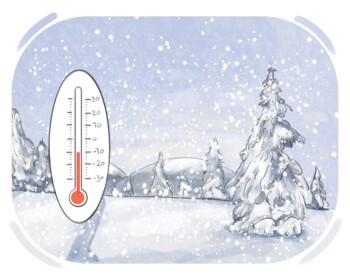
having a temperature lower than the human body's average temperature
studený, ledový
Kostky ledu udělaly nápoj osvěžujícím způsobem studený.

heater consisting of electrical heating elements contained in a flexible pad
hřejivá podložka, elektrická vyhřívací podložka
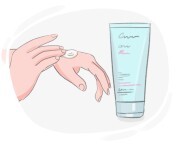
a thick, semi-solid substance used for moisturizing and soothing the skin
krém
Vždy nosí v kabelce malou skleničku krému pro případ nouze.
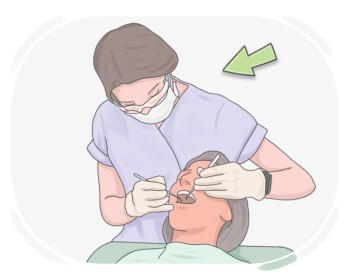
someone who is licensed to fix and care for our teeth
zubař, dentista
Zubař mi udělal rentgen zubů, aby zkontroloval, zda nejsou nějaké skryté problémy.
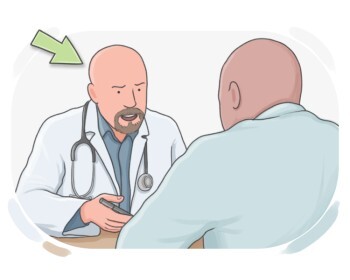
someone who has studied medicine and treats sick or injured people
lékař, doktor
Chci se stát lékařem, abych se mohl starat o zdraví lidí.
a water-soluble vitamin essential for human nutrition, known for its antioxidant properties, supporting immune function, and collagen production
vitamin C, kyselina askorbová
Vědec studoval charakteristické antioxidační vlastnosti vitaminu C při ochraně buněk před poškozením.
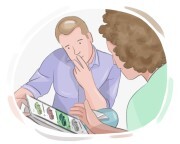
a suggestion or an opinion that is given with regard to making the best decision in a specific situation
rada, doporučení
Oceňuji vaši radu, jak sebevědomě přistupovat k pohovoru.
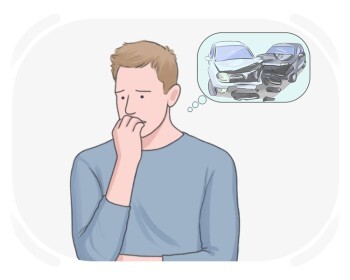
feeling so anxious that makes one unable to relax
vystresovaný, úzkostný
Všichni vypadali vystresovaně, když se připravovali na velkou prezentaci.

to focus one's all attention on something specific
soustředit se, zaměřit se
Musíme se soustředit, pokud chceme tento projekt dokončit včas a přesně.
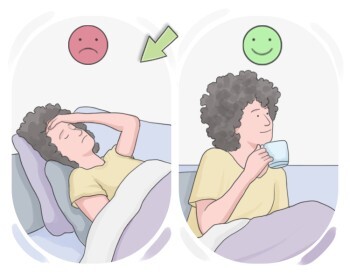
not in a good and healthy physical or mental state
nemocný, nevolno
Byla tak nemocná, že zmeškala výlet.

a way of testing how much someone knows about a subject
zkouška, test
Studenti obdrželi své výsledky zkoušek a byli rádi, že vidí své zlepšení.
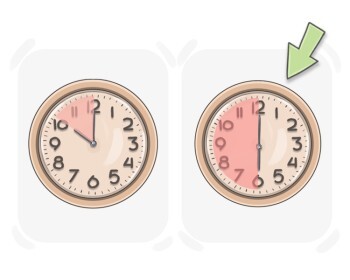
either one of two equal parts of a thing
polovina, půl
K obědu jsem snědl sendvič a půlku.
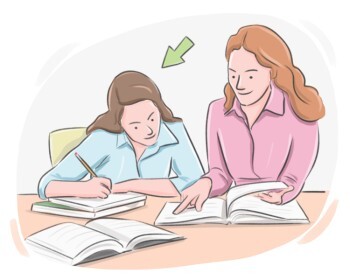
to become knowledgeable or skilled in something by doing it, studying, or being taught
učit se, studovat
Naučil se cenným vyjednávacím dovednostem sledováním zkušených vyjednavačů v akci.
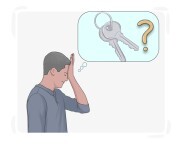
to not be able to remember something or someone from the past
zapomenout, nepamatovat si
Nikdy nezapomene na laskavost, kterou jste mu prokázali.
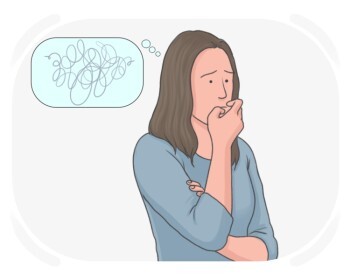
worried and anxious about something or slightly afraid of it
nervózní, úzkostlivý
Před svou velkou prezentací v práci se cítil nervózní.

a person who lives in a country where they are not a citizen or permanent resident
cizinec, cizinka
Být cizincem v nové zemi může být vzrušující i náročné.
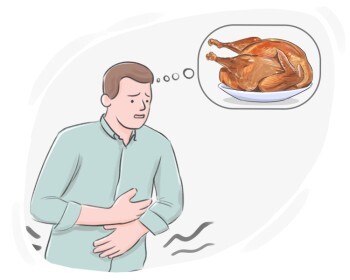
needing or wanting something to eat
hladový,hlad, needing food
Dlouhý výšlap je nechal unavené a hladové.
