
Přírodní Vědy SAT - Život Zvířat a Evoluce
Zde se naučíte některá anglická slova související se životem zvířat a evolucí, jako je "jed", "habitat", "denní" atd., která budete potřebovat k úspěšnému složení SAT.
Revize
Kartičky
Pravopis
Kvíz

an animal that primarily feeds on insects or other small invertebrates

hmyzožravec, živočich živící se hmyzem
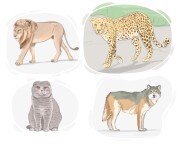
(of plants or animals) feeding on the meat or flesh of other animals
masožravý
Některé druhy ptáků, jako jsou orli a jestřábi, jsou masožraví a loví malé savce a ptáky.
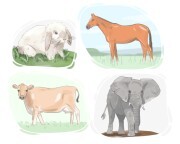
(of an animal) solely feeding on plants
býložravý
Housenky jsou býložravé larvy, které se živí listy rostlin, než se promění v motýly nebo můry.
an organism that breaks down and feeds on dead organic matter, such as decaying plant and animal material
detritivor, detritivorní organismus
relating to organisms that live on or inside other organisms, benefiting at the expense of their hosts
parazitický, cizopasný
Parazitické houby, jako je houba cordyceps, infikují hmyz a mění jejich chování, aby pomohly jejich vlastní reprodukci.
an organism that cannot produce its own food and must obtain energy by consuming other organisms or organic matter
heterotrof, heterotrofní organismus
Studie se zaměřila na stravovací návyky heterotrofů v různých vodních prostředích.
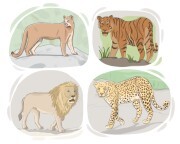
(of wild animals) hunting, killing, and feeding on other animals for survival
dravý, masožravý
Dravá ryba přepadla menší ryby u korálového útesu.
(of an animal) generating and regulating their own body heat internally
endotermní, teplokrevný
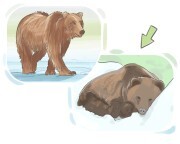
(of some animals or plants) to spend the winter sleeping deeply
hibernovat, přezimovat v hlubokém spánku
Zemní veverky hibernují ve svých norách, kde upadají do stavu hluboké strnulosti, aby přežily zimu.
the process of waking up or becoming active and alert, often influenced by environmental stimuli or internal biological rhythms
probuzení, aktivace
Reakce probuzení u savců může být rychlá, což jim umožňuje rychle reagovat na potenciální hrozby při probuzení.
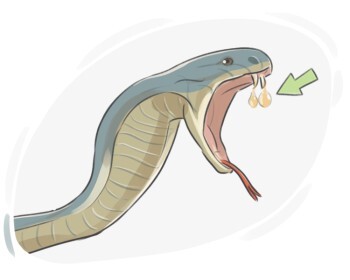
a toxic substance produced and secreted by certain animals, typically used for defense or hunting
jed, toxin
Jed štírů může být smrtelný v malých dávkách.
the harmful effects or potential for harm caused by a substance to living organisms or the environment
toxicita
Vědec vyvinul metodu pro měření toxicity odpadních vod vypouštěných do řek.
the capacity or ability of an organism, often referring to its genetic potential, reproductive success, or influence within its environment
síla, schopnost
Vědci studují potenciál určitých vlastností, aby pochopili jejich dopad na evoluční zdatnost.
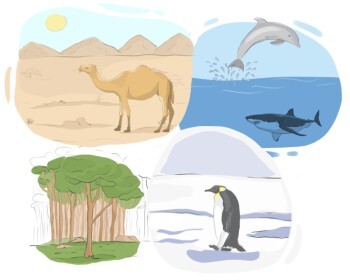
the place or area in which certain animals, birds, or plants naturally exist, lives, and grows
biotop, přirozené prostředí
Kaktusy jsou dobře přizpůsobeny suchému prostředí pouště.

a community of living organisms together with their physical environment, interacting as a system
ekosystém, ekologický systém
Změna klimatu představuje velkou hrozbu pro mnoho křehkých ekosystémů.
primarily active or occurring during the daytime
denní, aktivní během dne
Turisté preferují denní dobrodružství, využívají denní světlo k prozkoumávání stezek a užívání si přírody.
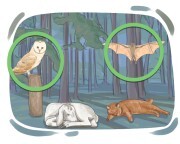
(of animals or organisms) primarily active during the night
noční
Zoo měla speciální výstavu představující noční zvířata, s tlumeným osvětlením, které napodobovalo jejich přirozené prostředí.
(of an animal) active during the twilight hours of dawn and dusk
soumračný, večerní
Fotografové divoké přírody nastavují své fotoaparáty před východem slunce, dychtivě zachycujíce prchavou krásu soumračných tvorů v jejich přirozených prostředích.
to bring up partially digested food from the stomach back into the mouth, often to feed young or as part of the digestive process
zvracet, vyvrhnout
Hmyz, jako jsou včely, vyvrhuje nektar, aby vyrobil med pro svůj úl.
the internal bony structure of an animal that gives it form and supports its weight
endoskelet, vnitřní kostra
the hard outer covering that supports the body of an animal, such as an arthropod
exoskelet, krunýř
Exoskelet kobylky jí umožňuje skákat na dlouhé vzdálenosti.
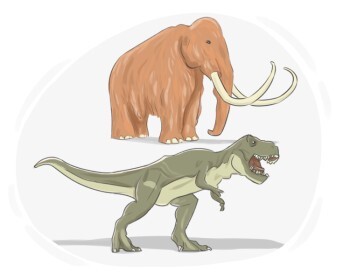
(of an animal, plant, etc.) not having any living members, either due to natural causes, environmental changes, or human activity
vyhynulý, zmizelý
Ochranářské snahy mají za cíl chránit ohrožené druhy a zabránit jejich vyhynutí.
the process of bringing extinct species back to life through scientific methods
de-extinkce, vzkříšení druhů
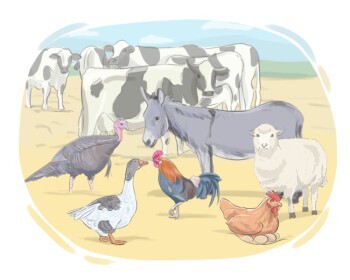
(of a wild animal) tamed and adapted to live with or to the benefit of humans
zdomácnělý, zkrocený
Dobytek, jako jsou krávy, ovce a kozy, jsou zdomácnělá zvířata chovaná pro výrobu potravin a další účely.

the protection of the natural environment and resources from wasteful human activities
ochrana, zachování
Mnoho organizací se zaměřuje na ochranu volně žijících živočichů, aby zabránilo vyhynutí druhů.
the scientific process of creating an identical or near-identical copy of a living organism, cell, or DNA sequence through asexual reproduction or genetic engineering techniques
klonování
Ovce Dolly bylo první savčí zvíře vytvořené pomocí klonování.
related to evolution or the slow and gradual development of something
evoluční
Evoluční vztah mezi druhy lze odvodit pomocí srovnávací anatomie a analýzy DNA.
a taxonomic rank below species that represents a distinct population within a species, exhibiting consistent differences from other populations
poddruh, plemeno
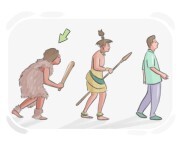
characteristic of an early stage of human or animal evolution
primitivní, archaický
Ekosystém ostrova stále obsahuje primitivní druhy, které zůstaly po staletí nezměněny.
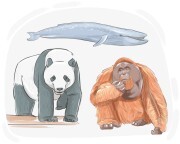
(of an animal, plant, etc.) being at risk of extinction
ohrožený
Klimatické změny představují významnou hrozbu pro mnoho ohrožených druhů tím, že mění jejich stanoviště a zdroje potravy.
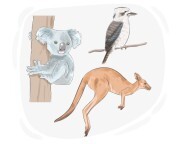
found or restricted to a specific geographic region or habitat
endemický
Endemický druh ryby se nachází pouze ve sladkovodních jezerech pohoří.
an extinct large, elephant-like mammal with long, curved tusks and a body covered in hair, which lived during the Pleistocene epoch
mastodont, mastodon
Mastodonti, na rozdíl od mamutů, měli rovnější kly a různé zubní struktury přizpůsobené jejich stravě.
an extinct hominid species closely related to modern humans, characterized by a robust build and distinctive facial features, that lived in Europe and parts of Asia until approximately 40,000 years ago
Neandertálec, Neandertálský člověk
Neandertálci žili přibližně před 40 000 lety a vyhynuli během pleistocénu.
