
Naturvetenskap SAT - Djurliv och Evolution
Här kommer du att lära dig några engelska ord relaterade till djurliv och evolution, såsom "gift", "habitat", "dagaktiv" etc., som du behöver för att klara dina SATs.
Recension
Flashcards
Stavning
Quiz

an animal that primarily feeds on insects or other small invertebrates

insektsätare, djur som främst livnär sig på insekter
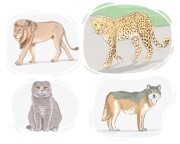
(of plants or animals) feeding on the meat or flesh of other animals
köttätande
Hajar är köttätande fiskar som jagar en mängd olika marina djur.
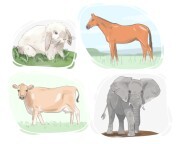
(of an animal) solely feeding on plants
växtätande
Gorillor är växtätande primater som främst äter frukt, löv och stjälkar.
an organism that breaks down and feeds on dead organic matter, such as decaying plant and animal material
detritivor, detritivor organism
relating to organisms that live on or inside other organisms, benefiting at the expense of their hosts
parasitisk, parasit-
Parasitiska växter, som misteln, är beroende av sina värdväxter för vatten och näringsämnen.
an organism that cannot produce its own food and must obtain energy by consuming other organisms or organic matter
heterotrof, heterotrof organism
Växter är autotrofer, medan de flesta bakterier är heterotrofer, beroende av organiska föreningar för energi.
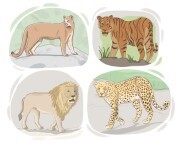
(of wild animals) hunting, killing, and feeding on other animals for survival
rovlysten, rovdjurs-
Vargar uppvisar mycket koordinerade rovdjurs taktiker.
(of an animal) generating and regulating their own body heat internally
endoterm, varmblodig
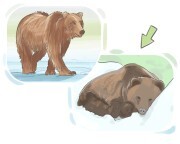
(of some animals or plants) to spend the winter sleeping deeply
övervintra, tillbringa vintern i dvala
Hasselmusen är känd för att övervintra i bon gömd i trädhålor eller underjordiska tunnlar.
the process of waking up or becoming active and alert, often influenced by environmental stimuli or internal biological rhythms
uppvaknande, aktivering
Circadiska rytmer spelar en avgörande roll i många djurs uppväcknings mönster.
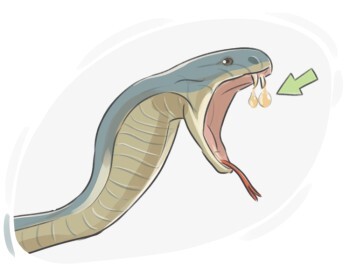
a toxic substance produced and secreted by certain animals, typically used for defense or hunting
gift, toxin
Bettet levererade ett kraftfullt gift.
the harmful effects or potential for harm caused by a substance to living organisms or the environment
toxicitet
Biologen studerade toxiciteten av algblomning i sjön och dess inverkan på fiskbestånd.
the capacity or ability of an organism, often referring to its genetic potential, reproductive success, or influence within its environment
potens, kapacitet
Potens hos vissa djur visas genom utarbetade parningsuppvisningar och fysisk skicklighet.
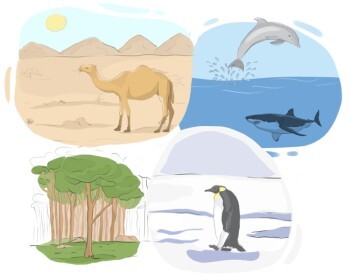
the natural environment in which a particular animal, plant, or other organism normally lives or grows
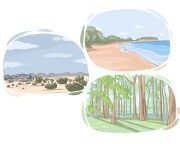
a community of living organisms together with their physical environment, interacting as a system
ekosystem, ekologiskt system
Bevvarandeinsatser syftar till att skydda och återställa ekosystem för att upprätthålla ekologisk balans och hållbarhet.
primarily active or occurring during the daytime
dagtid, aktiv under dagen
På grund av deras dagaktiva natur är bin mest upptagna på morgonen och eftermiddagen, då de samlar pollen och nektar från blommor.
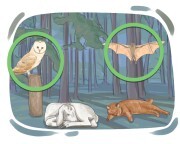
(of animals or organisms) primarily active during the night
nattaktiv
Myggor är ökända nattaktiva skadedjur som blir mest aktiva efter skymningen.
(of an animal) active during the twilight hours of dawn and dusk
skymnings-, kvällsaktiv
När himlen mörknade svepte de skymningsaktiva fladdermössen lågt över sjön och jagade insekter som lockats av vattenytan.
to bring up partially digested food from the stomach back into the mouth, often to feed young or as part of the digestive process
spy upp, kräkas upp
Vargin spydde upp sin måltid för att förse sina valpar med lättsmält mat.
the internal bony structure of an animal that gives it form and supports its weight
endoskelett, inre skelett
the hard outer covering that supports the body of an animal, such as an arthropod
exoskelett, skal
Spindelns exoskelett skyddar den från rovdjur.
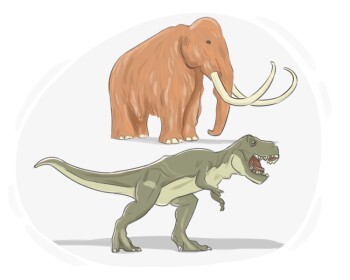
(of an animal, plant, etc.) not having any living members, either due to natural causes, environmental changes, or human activity
utdöd, försvunnen
Utrotningen av vissa nyckelarter kan ha kaskadeffekter på hela ekosystem.
the process of bringing extinct species back to life through scientific methods
de-utrotning, artsuppståndelse
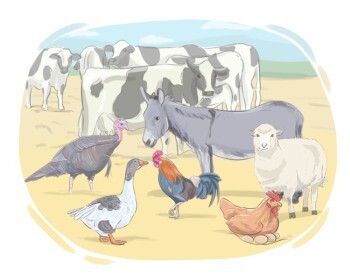
(of a wild animal) tamed and adapted to live with or to the benefit of humans
tam, domesticerad
Vissa tamda fåglar, som papegojor och kanariefåglar, är kända för sin förmåga att härma mänskligt tal.

the protection of the natural environment and resources from wasteful human activities
bevarande, skydd
the scientific process of creating an identical or near-identical copy of a living organism, cell, or DNA sequence through asexual reproduction or genetic engineering techniques
kloning
Kloning av utrotningshotade arter kan hjälpa till i bevarandearbetet.
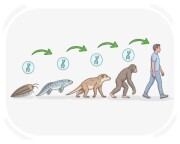
related to evolution or the slow and gradual development of something
evolutionär
(biology) a distinct group within a species, often formed by geographic separation and showing slight physical or genetic differences
underart
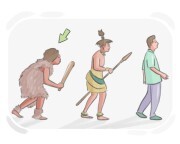
belonging to an early stage in the evolutionary development of humans or animals
primitiv, ursprunglig
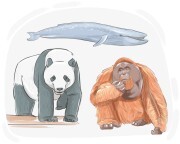
(of an animal, plant, etc.) being at risk of extinction
utrotningshotad
Forskare studerar beteendet hos utrotningshotade arter för att utveckla effektiva bevarandestrategier.
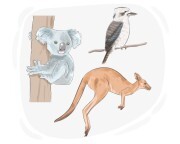
found or restricted to a specific geographic region or habitat
endemisk
Den endemiska fattigdomen på landsbygden kräver riktade sociala välfärdsprogram.
an extinct large, elephant-like mammal with long, curved tusks and a body covered in hair, which lived during the Pleistocene epoch
mastodont, mastodon
Upptäckten av ett nästan komplett mastodon-skelett upphetsade det vetenskapliga samhället.
an extinct hominid species closely related to modern humans, characterized by a robust build and distinctive facial features, that lived in Europe and parts of Asia until approximately 40,000 years ago
Neandertalare, Neandertalmänniska
Arkeologiska fynd indikerar att neandertalare skapade verktyg och hade komplexa samhällen.
