
자연 과학 SAT - 동물의 삶과 진화
여기에서는 "독", "서식지", "주행성" 등과 같이 동물의 삶과 진화와 관련된 몇 가지 영어 단어를 배우게 될 것입니다. 이 단어들은 SAT를 통과하는 데 필요합니다.
리뷰
플래시카드
철자법
퀴즈

an animal that primarily feeds on insects or other small invertebrates

식충동물, 곤충을 주로 먹는 동물
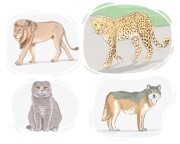
(of plants or animals) feeding on the meat or flesh of other animals
육식성의
늑대는 사슴과 엘크 같은 더 큰 먹이를 무리 지어 사냥하는 육식성 포유류입니다.
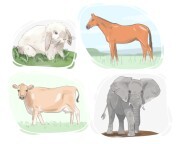
(of an animal) solely feeding on plants
초식성의
사슴은 숲과 초원에서 흔히 볼 수 있는 초식 동물로, 잎, 나뭇가지, 풀을 먹습니다.
an organism that breaks down and feeds on dead organic matter, such as decaying plant and animal material
파편 먹이 생물, 분해 생물
relating to organisms that live on or inside other organisms, benefiting at the expense of their hosts
기생의, 기생충의
벼룩은 포유류와 조류의 피를 먹는 기생 곤충입니다.
an organism that cannot produce its own food and must obtain energy by consuming other organisms or organic matter
종속 영양 생물, 종속 영양 생물체
종속영양생물은 먹이 그물을 통해 영양분을 재활용함으로써 생태계에서 중요한 역할을 합니다.
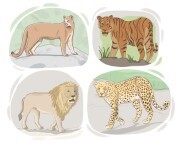
(of wild animals) hunting, killing, and feeding on other animals for survival
포식성의, 육식성의
상어의 포식 행동은 해양 균형을 유지하는 데 도움이 됩니다.
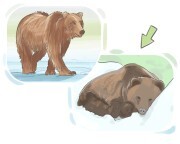
(of some animals or plants) to spend the winter sleeping deeply
겨울잠을 자다, 추운 겨울을 깊은 잠으로 보내다
마못의 그림자는 얼마나 오랫동안 겨울잠을 잘지 예측한다고 합니다.
the process of waking up or becoming active and alert, often influenced by environmental stimuli or internal biological rhythms
각성, 활성화
야행성 동물의 각성은 해가 질 때 일어나며, 그들을 야간 활동에 대비시킵니다.
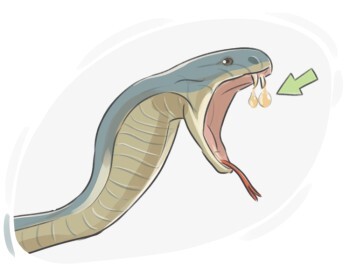
a toxic substance produced and secreted by certain animals, typically used for defense or hunting
독, 독소
일부 개구리는 화학적 방어로 독을 생산합니다.
the harmful effects or potential for harm caused by a substance to living organisms or the environment
독성
환경 운동가들은 근처 산업 공장에서 발생하는 대기 오염의 독성에 대한 우려를 제기했습니다.
the capacity or ability of an organism, often referring to its genetic potential, reproductive success, or influence within its environment
효능, 능력
종의 잠재력은 변화하는 환경에 적응하는 능력에서 관찰될 수 있습니다.
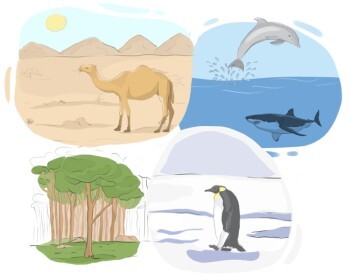
the place or area in which certain animals, birds, or plants naturally exist, lives, and grows
서식지, 자연 환경
도시 확장은 많은 야생 동물의 서식지를 파괴하고 있습니다.

a community of living organisms together with their physical environment, interacting as a system
생태계, 생태 시스템
산림 벌채와 같은 인간의 활동은 취약한 생태계를 교란시키고 생물 다양성의 손실로 이어질 수 있습니다.
primarily active or occurring during the daytime
주행성의, 주로 낮에 활동하는
그 생물학자는 주행성 종에 대한 연구에 집중하여 하루 종일 그들의 행동과 상호 작용을 관찰했다.
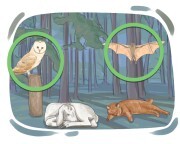
(of animals or organisms) primarily active during the night
야행성의
올빼미와 여우 같은야행성 포식자는 밤의 보호 아래에서 먹이를 찾기 위해 예리한 감각에 의존합니다.
(of an animal) active during the twilight hours of dawn and dusk
황혼의, 새벽과 황혼에 활동하는
동물원의 야간 전시에는 서벌과 타만두아 같은 황혼성 동물들이 포함되어 있어 황혼 시간 동안의 자연스러운 행동을 보여주었습니다.
to bring up partially digested food from the stomach back into the mouth, often to feed young or as part of the digestive process
역류하다, 토해내다
펭귄과 같은 일부 해양 동물은 자손을 양육하기 위해 음식을 역류시킵니다.
the internal bony structure of an animal that gives it form and supports its weight
내골격, 내부 골격
the hard outer covering that supports the body of an animal, such as an arthropod
외골격, 껍질
게와 같은 갑각류는 키틴으로 만들어진 외골격을 가지고 있습니다.
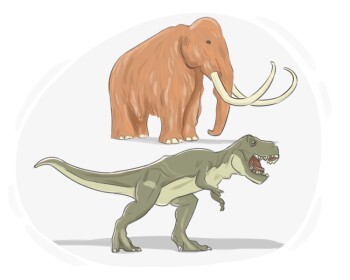
(of an animal, plant, etc.) not having any living members, either due to natural causes, environmental changes, or human activity
멸종된, 사라진
여객 비둘기는 한때 북미에서 가장 풍부한 조류 종 중 하나였지만 20세기 초에 멸종되었습니다.
the process of bringing extinct species back to life through scientific methods
멸종 해제, 종의 부활
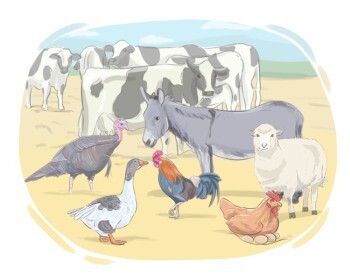
(of a wild animal) tamed and adapted to live with or to the benefit of humans
길들여진, 가축화된
길들여진 말은 승마, 경주, 농업 등 다양한 목적으로 사용됩니다.

the protection of the natural environment and resources from wasteful human activities
보존, 보호
심각한 가뭄을 겪는 지역에서는 물 보전이 필수적입니다.
the scientific process of creating an identical or near-identical copy of a living organism, cell, or DNA sequence through asexual reproduction or genetic engineering techniques
클로닝
인간 복제에 관한 윤리적 논쟁이 자주 발생합니다.
related to evolution or the slow and gradual development of something
진화적인
인간의 진화 역사는 수백만 년 전의 조상 영장류까지 거슬러 올라갑니다.
a taxonomic rank below species that represents a distinct population within a species, exhibiting consistent differences from other populations
아종, 품종
characteristic of an early stage of human or animal evolution
원시적인, 고대의
원시적인 식물의 발견은 과학자들이 고대 생태계를 이해하는 데 도움이 되었습니다.
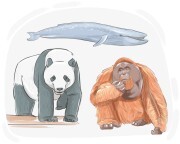
(of an animal, plant, etc.) being at risk of extinction
멸종 위기에 처한
검은 코뿔소의 멸종은 종이 멸종 위기에 처한 비극적인 결과입니다.
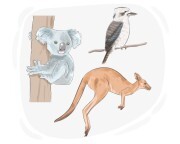
found or restricted to a specific geographic region or habitat
고유의
이 지역의 고유 문화는 전통 음악과 예술에 반영되어 있습니다.
an extinct large, elephant-like mammal with long, curved tusks and a body covered in hair, which lived during the Pleistocene epoch
마스토돈, 마스토돈 코끼리
고생물학자들은 그들의 멸종 이유를 이해하기 위해 마스토돈의 유해를 연구합니다.
an extinct hominid species closely related to modern humans, characterized by a robust build and distinctive facial features, that lived in Europe and parts of Asia until approximately 40,000 years ago
네안데르탈인, 네안데르탈 인간
네안데르탈인은 강건한 체격과 독특한 얼굴 특징을 포함한 독특한 신체적 특성으로 알려져 있습니다.
