
Khoa Học Tự Nhiên SAT - Đời Sống Động Vật và Sự Tiến Hóa
Ở đây bạn sẽ học một số từ tiếng Anh liên quan đến đời sống động vật và tiến hóa, chẳng hạn như "nọc độc", "môi trường sống", "ban ngày", v.v. mà bạn sẽ cần để vượt qua kỳ thi SAT của mình.
Xem lại
Thẻ ghi nhớ
Chính tả
Đố vui

an animal that primarily feeds on insects or other small invertebrates

động vật ăn côn trùng, loài ăn sâu bọ
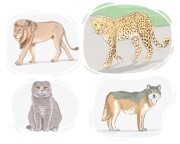
(of plants or animals) feeding on the meat or flesh of other animals
ăn thịt
Chó sói là động vật có vú ăn thịt săn mồi theo bầy để bắt những con mồi lớn hơn như hươu và nai sừng tấm.
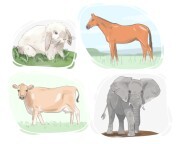
(of an animal) solely feeding on plants
ăn cỏ
Hươu là động vật ăn cỏ thường được tìm thấy trong rừng và đồng cỏ, ăn lá, cành cây và cỏ.
an organism that breaks down and feeds on dead organic matter, such as decaying plant and animal material
sinh vật ăn mùn bã, sinh vật phân hủy
relating to organisms that live on or inside other organisms, benefiting at the expense of their hosts
ký sinh, ký sinh trùng
Bọ chét là côn trùng ký sinh ăn máu của động vật có vú và chim.
an organism that cannot produce its own food and must obtain energy by consuming other organisms or organic matter
dị dưỡng, sinh vật dị dưỡng
Dị dưỡng đóng vai trò quan trọng trong hệ sinh thái bằng cách tái chế chất dinh dưỡng thông qua các mạng lưới thức ăn.
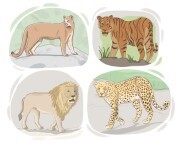
(of wild animals) hunting, killing, and feeding on other animals for survival
săn mồi, ăn thịt
Hành vi săn mồi của cá mập giúp duy trì sự cân bằng của đại dương.
(of an animal) generating and regulating their own body heat internally
nội nhiệt, máu nóng
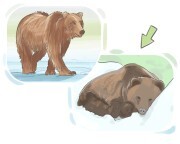
(of some animals or plants) to spend the winter sleeping deeply
ngủ đông, trú đông
Bóng của con chuột chũi được cho là dự đoán thời gian nó sẽ ngủ đông.
the process of waking up or becoming active and alert, often influenced by environmental stimuli or internal biological rhythms
sự thức tỉnh, sự kích hoạt
Sự đánh thức của động vật hoạt động ban đêm xảy ra khi mặt trời lặn, chuẩn bị cho chúng hoạt động vào ban đêm.
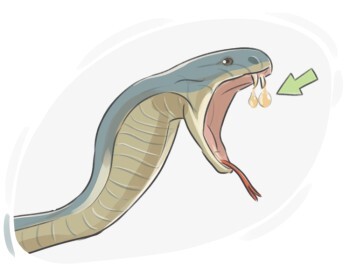
a toxic substance produced and secreted by certain animals, typically used for defense or hunting
nọc độc, chất độc
Một số loài ếch sản xuất nọc độc như một biện pháp phòng vệ hóa học.
the harmful effects or potential for harm caused by a substance to living organisms or the environment
độc tính
Các nhà hoạt động môi trường đã bày tỏ lo ngại về độc tính của ô nhiễm không khí từ các nhà máy công nghiệp gần đó.
the capacity or ability of an organism, often referring to its genetic potential, reproductive success, or influence within its environment
sức mạnh, khả năng
Tiềm năng của một loài có thể được quan sát thấy trong khả năng thích nghi với môi trường thay đổi của nó.
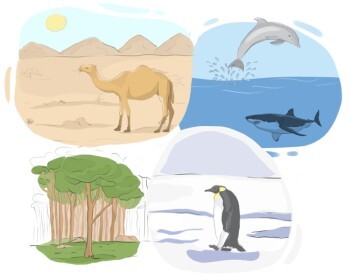
the natural environment in which a particular animal, plant, or other organism normally lives or grows

a community of living organisms together with their physical environment, interacting as a system
hệ sinh thái, hệ thống sinh thái
Các hoạt động của con người như phá rừng có thể làm xáo trộn các hệ sinh thái mong manh và dẫn đến mất đa dạng sinh học.
primarily active or occurring during the daytime
ban ngày, hoạt động chủ yếu vào ban ngày
Nhà sinh vật học tập trung nghiên cứu vào các loài ban ngày, quan sát hành vi và tương tác của chúng suốt cả ngày.
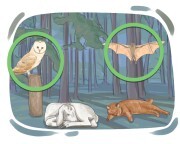
(of animals or organisms) primarily active during the night
hoạt động về đêm
Muỗi là loài gây hại ban đêm khét tiếng, trở nên hoạt động mạnh nhất sau khi trời tối.
(of an animal) active during the twilight hours of dawn and dusk
hoàng hôn, hoạt động vào lúc chạng vạng
Triển lãm ban đêm của vườn thú có các động vật hoàng hôn như serval và tamandua, trưng bày hành vi tự nhiên của chúng trong giờ hoàng hôn.
to bring up partially digested food from the stomach back into the mouth, often to feed young or as part of the digestive process
ợ ra, nôn ra
Một số động vật biển, như chim cánh cụt, nhả ra thức ăn để nuôi dưỡng con cái của chúng.
the internal bony structure of an animal that gives it form and supports its weight
bộ xương trong, khung xương nội bộ
the hard outer covering that supports the body of an animal, such as an arthropod
bộ xương ngoài, vỏ cứng
Động vật giáp xác như cua có bộ xương ngoài làm từ chitin.
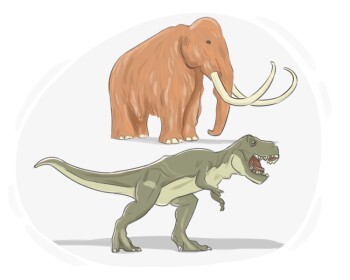
(of an animal, plant, etc.) not having any living members, either due to natural causes, environmental changes, or human activity
tuyệt chủng, biến mất
Bồ câu viễn khách từng là một trong những loài chim phong phú nhất ở Bắc Mỹ nhưng đã tuyệt chủng vào đầu thế kỷ 20.
the process of bringing extinct species back to life through scientific methods
sự phục sinh, hồi sinh loài
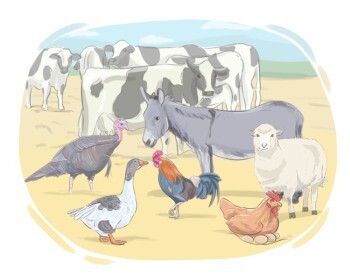
(of a wild animal) tamed and adapted to live with or to the benefit of humans
đã được thuần hóa, được nuôi dưỡng
Ngựa đã được thuần hóa được sử dụng cho nhiều mục đích khác nhau, bao gồm cưỡi ngựa, đua ngựa và nông nghiệp.

the protection of the natural environment and resources from wasteful human activities
bảo tồn, bảo vệ
the scientific process of creating an identical or near-identical copy of a living organism, cell, or DNA sequence through asexual reproduction or genetic engineering techniques
nhân bản
Các cuộc tranh luận đạo đức thường nảy sinh liên quan đến nhân bản con người.
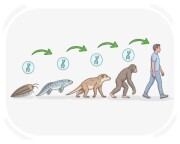
related to evolution or the slow and gradual development of something
tiến hóa
(biology) a distinct group within a species, often formed by geographic separation and showing slight physical or genetic differences
phân loài
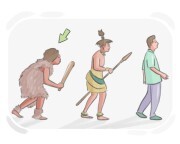
belonging to an early stage in the evolutionary development of humans or animals
nguyên thủy, sơ khai
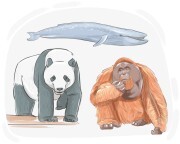
(of an animal, plant, etc.) being at risk of extinction
nguy cấp
Sự tuyệt chủng của tê giác đen là kết quả bi thảm của loài đang bị đe dọa.
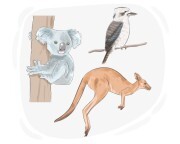
found or restricted to a specific geographic region or habitat
đặc hữu
Văn hóa đặc hữu của khu vực được phản ánh trong âm nhạc và nghệ thuật truyền thống của nó.
an extinct large, elephant-like mammal with long, curved tusks and a body covered in hair, which lived during the Pleistocene epoch
voi răng mấu, mastodon
Các nhà cổ sinh vật học nghiên cứu hài cốt của voi răng mấu để hiểu lý do tuyệt chủng của chúng.
an extinct hominid species closely related to modern humans, characterized by a robust build and distinctive facial features, that lived in Europe and parts of Asia until approximately 40,000 years ago
Người Neanderthal, Người cổ Neanderthal
Người Neanderthal được công nhận vì những đặc điểm thể chất đặc biệt, bao gồm cấu trúc cơ thể mạnh mẽ và các đặc điểm khuôn mặt độc đáo.
