
Ilmu Pengetahuan Alam SAT - Kehidupan Hewan dan Evolusi
Di sini Anda akan mempelajari beberapa kata dalam bahasa Inggris yang terkait dengan kehidupan hewan dan evolusi, seperti "racun", "habitat", "diurnal", dll. yang Anda butuhkan untuk lulus SAT Anda.
Tinjauan
Kartu flash
Ejaan
Kuis

an animal that primarily feeds on insects or other small invertebrates

insektivora, pemakan serangga
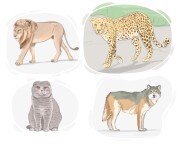
(of plants or animals) feeding on the meat or flesh of other animals
karnivora
Serigala adalah mamalia karnivora yang berburu dalam kelompok untuk mangsa yang lebih besar seperti rusa dan elk.
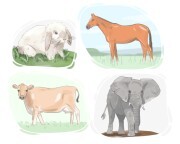
(of an animal) solely feeding on plants
herbivora
Rusa adalah hewan herbivora yang biasa ditemukan di hutan dan padang rumput, memakan daun, ranting, dan rumput.
an organism that breaks down and feeds on dead organic matter, such as decaying plant and animal material
detritivor, organisme detritivor
relating to organisms that live on or inside other organisms, benefiting at the expense of their hosts
parasit, parasitik
Kutu adalah serangga parasit yang memakan darah mamalia dan burung.
an organism that cannot produce its own food and must obtain energy by consuming other organisms or organic matter
heterotrof, organisme heterotrof
Heterotrof memainkan peran penting dalam ekosistem dengan mendaur ulang nutrisi melalui jaring makanan.
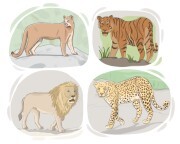
(of wild animals) hunting, killing, and feeding on other animals for survival
pemangsa, karnivora
Perilaku predator hiu membantu menjaga keseimbangan lautan.
(of an animal) generating and regulating their own body heat internally
endotermik, berdarah panas
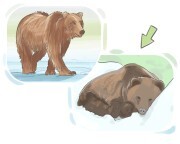
(of some animals or plants) to spend the winter sleeping deeply
hibernasi, menghabiskan musim dingin dengan tidur
Bayangan groundhog dikatakan memprediksi berapa lama ia akan hibernasi.
the process of waking up or becoming active and alert, often influenced by environmental stimuli or internal biological rhythms
kebangkitan, aktivasi
Kebangkitan hewan nokturnal terjadi saat matahari terbenam, mempersiapkan mereka untuk aktivitas malam hari.
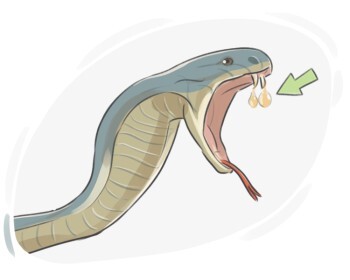
a toxic substance produced and secreted by certain animals, typically used for defense or hunting
bisa, racun
Beberapa katak menghasilkan racun sebagai pertahanan kimia.
the harmful effects or potential for harm caused by a substance to living organisms or the environment
toksisitas
Aktivis lingkungan mengungkapkan kekhawatiran tentang toksisitas polusi udara dari pabrik-pabrik industri terdekat.
the capacity or ability of an organism, often referring to its genetic potential, reproductive success, or influence within its environment
kekuatan, kemampuan
Potensi suatu spesies dapat diamati dalam kemampuannya beradaptasi dengan lingkungan yang berubah.
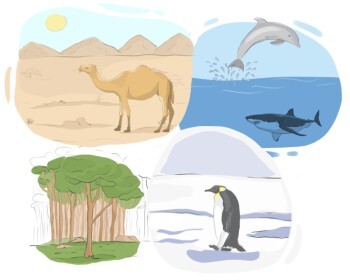
the natural environment in which a particular animal, plant, or other organism normally lives or grows

a community of living organisms together with their physical environment, interacting as a system
ekosistem, sistem ekologi
Aktivitas manusia seperti deforestasi dapat mengganggu ekosistem yang rapuh dan menyebabkan hilangnya keanekaragaman hayati.
primarily active or occurring during the daytime
diurnal, aktif di siang hari
Ahli biologi memfokuskan penelitiannya pada spesies diurnal, mengamati perilaku dan interaksi mereka sepanjang hari.
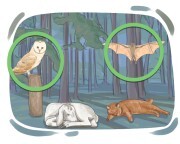
(of animals or organisms) primarily active during the night
nokturnal
Kebun binatang itu memiliki pameran khusus yang menampilkan hewan nokturnal, dengan pencahayaan redup untuk meniru lingkungan alami mereka.
(of an animal) active during the twilight hours of dawn and dusk
senja, aktif di senja
Pameran nokturnal kebun binatang menampilkan hewan krepuskular seperti serval dan tamandua, menunjukkan perilaku alami mereka selama jam senja.
to bring up partially digested food from the stomach back into the mouth, often to feed young or as part of the digestive process
memuntahkan, mengeluarkan
Beberapa hewan laut, seperti penguin, memuntahkan makanan untuk memberi makan anak mereka.
the internal bony structure of an animal that gives it form and supports its weight
endoskeleton, kerangka dalam
the hard outer covering that supports the body of an animal, such as an arthropod
rangka luar, cangkang
Krustasea seperti kepiting memiliki eksoskeleton yang terbuat dari kitin.
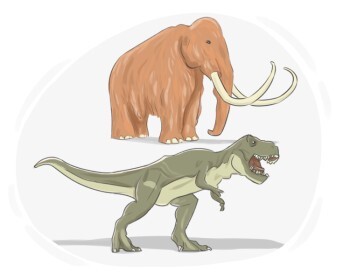
(of an animal, plant, etc.) not having any living members, either due to natural causes, environmental changes, or human activity
punah, hilang
Merpati penumpang pernah menjadi salah satu spesies burung paling melimpah di Amerika Utara tetapi menjadi punah pada awal abad ke-20.
the process of bringing extinct species back to life through scientific methods
de-kepunahan, kebangkitan spesies
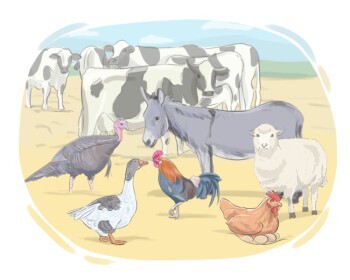
(of a wild animal) tamed and adapted to live with or to the benefit of humans
dijinakkan, diadaptasi
Kuda yang dijinakkan digunakan untuk berbagai keperluan, termasuk berkuda, balap, dan pertanian.

the protection of the natural environment and resources from wasteful human activities
konservasi, pelestarian
the scientific process of creating an identical or near-identical copy of a living organism, cell, or DNA sequence through asexual reproduction or genetic engineering techniques
kloning
Debat etika sering muncul mengenai kloning manusia.
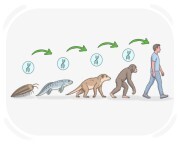
related to evolution or the slow and gradual development of something
evolusioner
(biology) a distinct group within a species, often formed by geographic separation and showing slight physical or genetic differences
subspesies
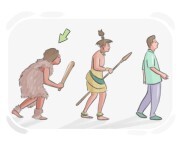
belonging to an early stage in the evolutionary development of humans or animals
primitif, purba
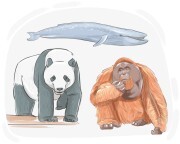
(of an animal, plant, etc.) being at risk of extinction
terancam punah
Kepunahan badak hitam adalah hasil tragis dari spesies yang menjadi terancam punah.
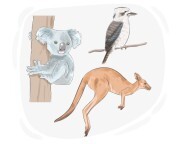
found or restricted to a specific geographic region or habitat
endemik
Budaya endemik daerah itu tercermin dalam musik dan seni tradisionalnya.
an extinct large, elephant-like mammal with long, curved tusks and a body covered in hair, which lived during the Pleistocene epoch
mastodon, gajah purba
Paleontolog mempelajari sisa-sisa mastodon untuk memahami alasan kepunahan mereka.
an extinct hominid species closely related to modern humans, characterized by a robust build and distinctive facial features, that lived in Europe and parts of Asia until approximately 40,000 years ago
Neanderthal, Manusia Neanderthal
Neanderthal dikenal karena ciri fisik mereka yang khas, termasuk postur tubuh yang kuat dan fitur wajah yang unik.
