
Humanitní Vědy SAT - Negativní a Neutrální Postoj
Zde se naučíte některá anglická slova související s negativními a neutrálními postoji, jako jsou "scoff", "brazen", "apathy" atd., která budete potřebovat k úspěšnému složení SATs.
Revize
Kartičky
tvary
Pravopis
Kvíz
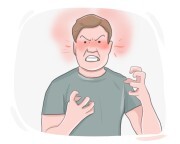
a feeling of anger or annoyance aroused by something unjust, unworthy, or mean

rozhořčení, hněv
Cítila vlnu rozhořčení, když slyšela nespravedlivou kritiku.

a doubting or questioning attitude towards ideas, beliefs, or claims that are generally accepted
skepticismus
Návrh byl přijat s skepticismem radou, která zpochybnila jeho proveditelnost.
a doubtful view toward others' honesty or intentions
cynismus, skepticismus
Zatímco někteří považují cynismus za ochranný mechanismus proti zklamání a podvodu, jiní tvrdí, že může podporovat negativitu a bránit opravdovému spojení a spolupráci.
a feeling of self-satisfaction or contentment, often accompanied by a lack of awareness of potential dangers
sebeuspokojení, spokojenost
Sebespokojenost nastoupila po letech stabilního růstu a podnik se nepodařilo inovovat.
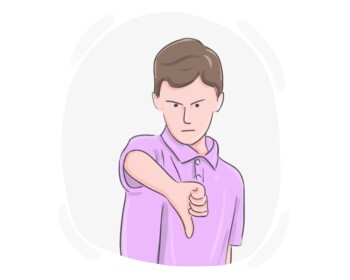
a strong feeling or attitude of dislike and lack of respect for someone or something considered unworthy
pohrdání, opovržení
the feeling that someone or something is not worthy of respect or consideration
opovržení, pohrdání
a lasting feeling of anger or bitterness because of unfair treatment
zášť, hořkost
Hluboká zášť vůči rozhodnutí nadále formovala reakci komunity.
an intense enthusiasm or obsession for something, often to an excessive or uncontrollable degree
mánie, vášeň
Autorova mánie psaní ho přiměla vydat několik knih v krátkém časovém úseku.

behaving without shame or fear and refusing to follow traditional rules or manners
drzý, nestoudný
Drzá reklamní kampaň společnosti posunula hranice tím, že se zabývala tabuizovanými tématy, aby upoutala pozornost.
having a sullen, gloomy, or pessimistic disposition
ponurý, pesimistický
Ponurá hudba hrající v pozadí zvýraznila ponurý tón filmu.
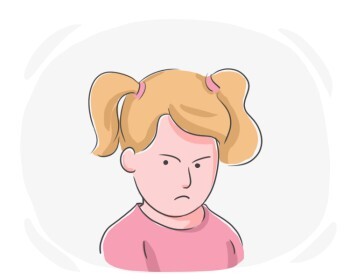
bad-tempered, gloomy, and usually silent
zamračený, mrzutý
Jeho mrzutý výraz jasně ukazoval, že není spokojen s rozhodnutím, ale neřekl nic.
prone to unpredicted and sudden changes
vrtošivý, proměnlivý
Jejich vztah byl napjatý kvůli jeho nestálému chování a častým výbuchům.
showing a lack of confidence or courage in an awkward way
ostýchavý, rozpačitý
Plachý student rozpačitě přikývl, když se ho učitel zeptal, zda nepotřebuje pomoc.
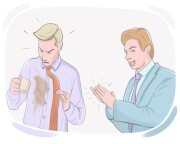
stating the opposite of what one means to criticize, insult, mock, or make a joke
sarkastický, ironický
Nemohl si odpustit sarkastickou poznámku o jejím outfitu, přestože věděl, že to zraní její city.
displaying an attitude of superiority toward those perceived as inferior, often due to social status, wealth, or education
snobský, povýšený
Jeho povýšené chování ho odcizilo od kolegů, kteří považovali jeho komplex nadřazenosti za iritující.
In a dismissive or indifferent manner
lehkomyslně, lhostejně
Zmínil chybu mimochodem, aniž by uznal její dopad na projekt.
having a negative or belittling connotation
hanlivý, ponižující
Ona převrátila oči nad hanlivou přezdívkou, kterou jí dali.
stubbornly disregarding rules, advice, or the wishes of others
tvrdohlavý, umíněný
Navzdory rizikům ji její tvrdohlavá povaha vedla k tomu, aby podnikla nebezpečnou expedici.

feeling dissatisfied, often due to a sense of unfair treatment or disappointment
nespokojený, frustrovaný
Nespokojený zaměstnanec během schůzky vyjádřil frustraci z nových politik společnosti.
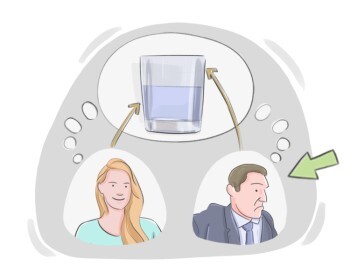
having or showing a negative view of the future and always waiting for something bad to happen
pesimistický, negativní
Pesimistický tón jeho psaní odrážel autorův pochmurný pohled na život.
to have doubts, reservations, or uncertainties about relying on someone or something
nedůvěřovat, pochybovat
Jeho podezíravá povaha ho nutí instinktivně nedůvěřovat úmyslům lidí, dokud neprokáží opak.
to speak or express derogatory remarks about someone
znehodnocovat, podceňovat
Často zlehčuje své kolegy, což je nutí cítit se nedostatečně.
to speak or behave in a way that implies that one is more knowledgeable, experienced, or intelligent than the other person
jednat povýšeně, patronovat
Mám pocit, že se ke mně chová povýšeně svými neustálými pokusy vysvětlovat mi věci, jako bych nebyl schopen pochopit.
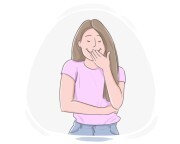
to laugh quietly in a sneaky or mocking way
chichotat se, potutkle se smát
Studenti se nemohli ubránit chichotání, když učitel udělal vtipnou chybu.
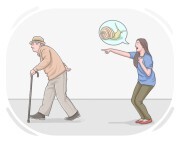
to ridicule someone or something in a disrespectful manner
posmívat se, vysmívat se
to mock with contempt
posmívat se, vysmívat se
On posmíval se myšlence duchů.
to frown in a sullen or angry way
zamračit se,dívat se zamračeně
Ona zamračila se, a tak vyjádřila své pocity beze slova.
in a manner that shows arrogant superiority toward others
pyšně, arogantně
Aristokrat se pyšně podíval na prosté lidi, přesvědčen o své vlastní důležitosti.
in an open and unashamed way, especially when violating rules or norms
nestoudně, okázale
Nestoudně okopíroval velké části článku.
in a manner that tries to impress by pretending to have more importance, talent, or culture than is actually possessed
domýšlivě, afektovaně
Jeho domýšlivě dlouhé a složité vysvětlení jen dále zmátlo publikum.
the usual attitude of a person in any given circumstance
dispozice, temperament
a general lack of interest, concern, or enthusiasm toward things in life
apatie, lhostejnost
Řešení problému voličské apatie se stalo prioritou kampaně, jejímž cílem je zvýšit občanskou angažovanost a účast.
a tendency to keep one's thoughts, feelings, and personal affairs to oneself
zdrženlivost
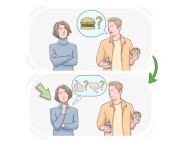
uncertain or reluctant to act or speak, often due to doubt or indecision
váhavý, nerozhodný
Herec váhal převzít emocionálně náročnou roli ve hře.
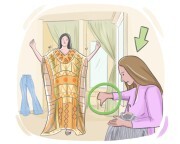
freely expressing one's opinions or ideas without holding back
upřímný, přímý
Upřímný novinář bez obav odhalil korupci a protiprávní jednání, bez ohledu na rizika.
(of a person) straightforward in expressing thoughts or opinions
upřímný, přímý
Jeho přímý způsob může být někdy přímočarý, ale vždy je upřímný.
having a plain and sometimes harsh way of expressing thoughts or opinions
přímý, upřímný
Učitelova přímá kritika výkonu studenta byla demoralizující.
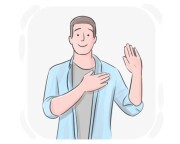
open and direct about one's true feelings or intentions
upřímný, otevřený
Ocenila jeho upřímnou zpětnou vazbu, která jí pomohla pochopit její silné a slabé stránky.
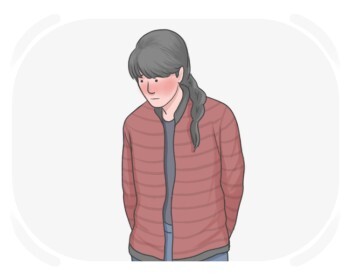
shy or timid, especially in social situations, often accompanied by a reluctance to draw attention to oneself
nesmělý, plachý
Přestože ji měl rád, jeho ostýchavá povaha mu zabránila pozvat ji na rande.
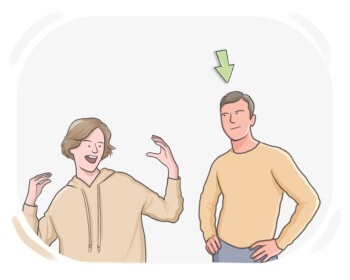
reflecting deep sincerity or a lack of humor
slavnostní, vážný
Slavnostní sliby vyměněné na svatbě odrážely jejich hluboký závazek vůči sobě navzájem.
based only on facts and not influenced by personal feelings or judgments
objektivní, nestranný
presenting information in a straightforward, unemotional, and practical manner
praktický, přímý
Podal věcný výklad postupu a soustředil se výhradně na nezbytné kroky.
lacking confidence or courage
nesmělý, bojácný
Bojácné dítě se drželo nohy rodiče a cítilo se přemoženo v přeplněné místnosti.
lacking interest or emotional involvement
oddělený, lhostejný
Odtažitý postoj hlavního hrdiny k jeho vztahům zdůraznil jeho boj s emocionálním spojením.
serious and strict in manner or attitude, often showing disapproval or authority
přísný, vážný
Zachovala přísný výraz, když oslovovala tým ohledně jejich odpovědností.
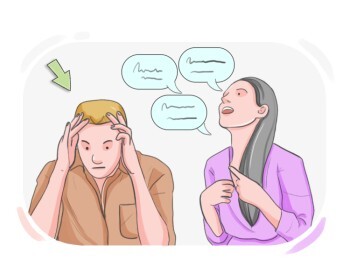
(of a person) unwilling to talk to other people or participate in social events
uzavřený, odtažitý
Po rozchodu se stala uzavřenou a na nějaký čas se vyhýbala společenským setkáním.
characterized by unchecked, aggressive, or uncontrollable behavior
nezkrotný, neovladatelný
Internet umožnil dezinformacím zůstat nezkrotný.
having a tendency or inclination toward something
náchylný, inklinující
Bez pravidelné údržby jsou stará auta náchylná k mechanickým poruchám.
having a natural tendency toward something
náchylný, inklinující
Je náchylný přebírat vedoucí role, vzhledem ke své sebevědomé a asertivní osobnosti.
in a manner that shows acceptance of something undesirable or unavoidable without protest
rezignovaně, s odevzdáním
Dívala se rezignovaně, jak déšť ničí její venkovní akci, přijímajíc, že s tím nemůže nic dělat.
in a manner that shows no emotion, feeling, or reaction
nepohnutě, bez emocí
Voják stál nepohnutě v pozoru, nedotčen hlukem a aktivitou kolem sebe.
| Humanitní Vědy SAT | |||
|---|---|---|---|
| Negativní Emoce | Názory | Pozitivní Postoj | Negativní a Neutrální Postoj |
| Rezidence a Rekreace | Zdroje a Potraviny | Ctnost | Zlo |
| Komunikace | Interakce | ||
