English Words for "Negative and Neutral Attitude" | SAT Vocabulary

Here you will learn some English words related to negative and neutral attitudes, such as "scoff", "brazen", "apathy", etc. that you will need to ace your SATs.

review-disable

review

flashcard-disable

flashcard

spelling-disable

spelling

quiz-disable

quiz

start-learning
SAT Humanities

a feeling of anger or annoyance aroused by something unjust, unworthy, or mean

Ex: The community 's indignation grew as the scandal unfolded .

a doubting or questioning attitude towards ideas, beliefs, or claims that are generally accepted

Ex: Despite the company 's assurances , there was widespread skepticism among the employees about the new policy .
cynicism [noun]

a doubtful view toward others' honesty or intentions

Ex: Cynicism often leads individuals to question the sincerity of others ' actions , suspecting that ulterior motives drive even the most seemingly altruistic behaviors .

a feeling of self-satisfaction or contentment, often accompanied by a lack of awareness of potential dangers
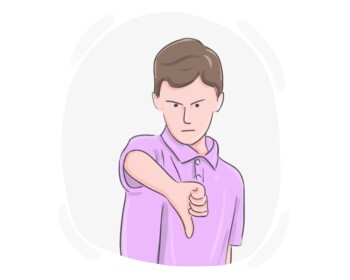
Ex: She warned against complacency , urging her colleagues to stay vigilant and proactive .
contempt [noun]

the disregard and lack of respect for someone or something seen as insignificant or unworthy

Ex: The politician ’s contempt for his opponents was clear during the debate .
disdain [noun]

the feeling that someone or something is not worthy of respect or consideration

the feeling of anger and dissatisfaction because one thinks something is unfair

mania [noun]

an intense enthusiasm or obsession for something, often to an excessive or uncontrollable degree

Ex: The artist 's mania for perfection was evident in every detail of his work .
brazen [adjective]

behaving without shame or fear and refusing to follow traditional rules or manners

Ex:
morose [adjective]

having a sullen, gloomy, or pessimistic disposition
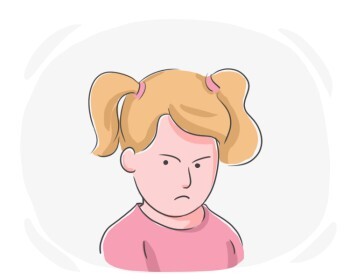
Ex:
sullen [adjective]

bad-tempered, gloomy, and usually silent

Ex: She greeted his cheerful " good morning " with a sullen nod , still upset about their argument the night before .
mercurial [adjective]

prone to unpredicted and sudden changes

Ex: The weather in the region is known for being mercurial , shifting rapidly .
sheepish [adjective]

showing a lack of confidence or courage in an awkward way
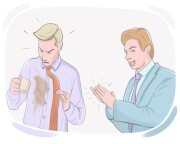
Ex: She felt sheepish during the interview , stumbling over her words and avoiding eye contact .
sarcastic [adjective]

stating the opposite of what one means to criticize, insult, mock, or make a joke

Ex: The sarcastic tone of his voice made it clear he was not impressed with the proposal .
snobbish [adjective]

displaying an attitude of superiority toward those perceived as inferior, often due to social status, wealth, or education

Ex: The restaurant 's snobbish staff made the diners feel unwelcome and undervalued .
offhand [adverb]

In a dismissive or indifferent manner

Ex:
pejorative [adjective]

having a negative or belittling connotation

Ex: His pejorative remarks alienated the audience .
willful [adjective]

stubbornly disregarding rules, advice, or the wishes of others

Ex: The willful teenager refused to follow the school dress code , wearing whatever she liked .
disgruntled [adjective]

feeling dissatisfied, often due to a sense of unfair treatment or disappointment
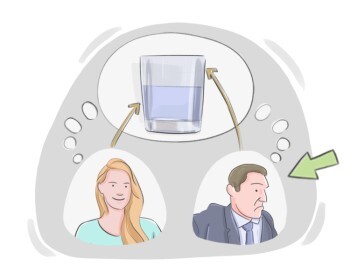
Ex: The disgruntled passengers complained about the delayed flight and lack of communication from the airline staff .
pessimistic [adjective]

having or showing a negative view of the future and always waiting for something bad to happen

Ex: He had a pessimistic view of the economy , believing that a recession was imminent .

to have doubts, reservations, or uncertainties about relying on someone or something

Ex: He is mistrusting his instincts lately and second-guessing all of his decisions .

to speak or express derogatory remarks about someone

Ex: If the mistake happens again , the manager will likely belittle the employee .

to speak or behave in a way that implies that one is more knowledgeable, experienced, or intelligent than the other person

Ex: The salesperson was patronizing the customer , making them feel inferior and inadequate .

to laugh quietly in a sneaky or mocking way
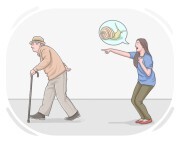
Ex: As they watched the clumsy dance , a few audience members began to snicker .
to mock [verb]

to ridicule someone or something in a disrespectful manner

Ex: His friends would mock him for being overly cautious , not realizing it was due to past experiences .
to scoff [verb]

to mock with contempt

Ex: The critics scoffed at the new invention .
to scowl [verb]

to frown in a sullen or angry way

Ex: The teacher scowled in disapproval .
haughtily [adverb]

in a manner that shows arrogant superiority toward others

Ex: He spoke haughtily to his coworkers , as if he were the only one capable of understanding the project .
blatantly [adverb]

in an open and unashamed way, especially when violating rules or norms

Ex: She blatantly cut in line without acknowledging anyone .

in a manner that tries to impress by pretending to have more importance, talent, or culture than is actually possessed

Ex: The critic wrote pretentiously , using obscure vocabulary to seem more knowledgeable .

the usual attitude of a person in any given circumstance

apathy [noun]

a general lack of interest, concern, or enthusiasm toward things in life

Ex: Her apathy towards the company 's goals and objectives was reflected in her lackluster performance at work .
reserve [noun]

a tendency to keep one's thoughts, feelings, and personal affairs to oneself
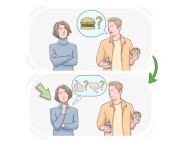
Ex: His reserve in social situations made him appear thoughtful but a little distant .
hesitant [adjective]

uncertain or reluctant to act or speak, often due to doubt or indecision
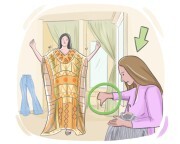
Ex: The hesitant driver cautiously approached the intersection , unsure of the right of way .
outspoken [adjective]

freely expressing one's opinions or ideas without holding back

Ex: His outspoken criticism of the government policies sparked debates among policymakers and citizens alike .
forthright [adjective]

(of a person) straightforward in expressing thoughts or opinions

Ex: She appreciated his forthright approach to the situation .
blunt [adjective]

having a plain and sometimes harsh way of expressing thoughts or opinions

Ex: The politician 's blunt response to the reporter 's question revealed a lack of diplomacy .
candid [adjective]

open and direct about one's true feelings or intentions
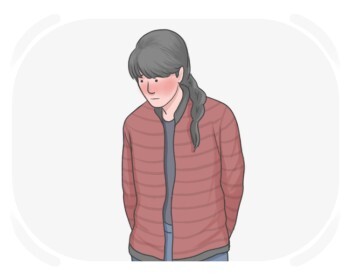
Ex: Despite the discomfort , she decided to be candid about her concerns during the meeting .
bashful [adjective]

shy or timid, especially in social situations, often accompanied by a reluctance to draw attention to oneself
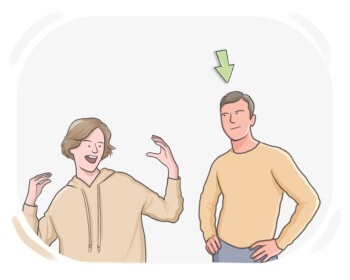
Ex: He became bashful whenever someone complimented his artwork , blushing and looking away .
solemn [adjective]

reflecting deep sincerity or a lack of humor
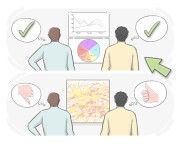
Ex: The mood in the room turned solemn as they remembered their late friend .
objective [adjective]

based only on facts and not influenced by personal feelings or judgments

Ex: The court appointed an objective mediator to help resolve the dispute between the two parties .
matter-of-fact [adjective]

presenting information in a straightforward, unemotional, and practical manner

Ex: The police officer 's matter-of-fact tone reassured the witnesses during the investigation .
timid [adjective]

lacking confidence or courage

Ex: His timid demeanor made it difficult for him to ask for help when he needed it .
detached [adjective]

lacking interest or emotional involvement

Ex: His detached reaction to the news of his promotion suggested he was not particularly thrilled .
stern [adjective]

serious and strict in manner or attitude, often showing disapproval or authority
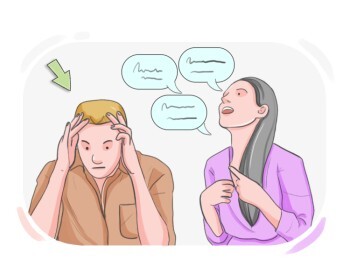
Ex: The stern judge delivered a harsh sentence to the defendant , emphasizing the severity of the crime .
withdrawn [adjective]

(of a person) unwilling to talk to other people or participate in social events

Ex:
rampant [adjective]

characterized by unchecked, aggressive, or uncontrollable behavior

Ex: Rumors ran rampant , fueling public panic .
prone [adjective]

having a tendency or inclination toward something

Ex: Athletes are often prone to injuries due to intense training .
apt [adjective]

having a natural tendency toward something

Ex: Children are apt to mimic the behaviors they observe in adults .
resignedly [adverb]

in a manner that shows acceptance of something undesirable or unavoidable without protest

Ex: The team accepted the defeat resignedly , understanding that they had done their best .
impassively [adverb]

in a manner that shows no emotion, feeling, or reaction

Ex: The judge impassively delivered the verdict , maintaining a neutral expression throughout .