
ACT Angličtina a Světové Znalosti - Země a Voda
Naučte se slovní zásobu ACT pro pevninské a vodní útvary, včetně terénu, řek, jezer, oceánů, pobřeží a dalších geografických prvků Země.
Revize
Kartičky
Pravopis
Kvíz

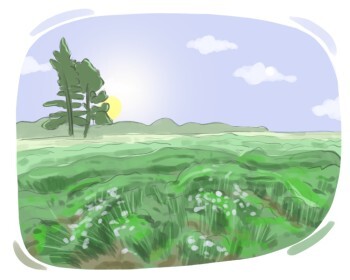
a piece of land covered in grass and sometimes wild flowers, often used for hay

louka, pastvina
Chráněná louka podporuje mnoho druhů hmyzu a ptáků.
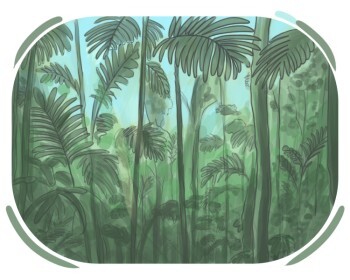
a thick, tropical forest with tall trees and consistently heavy rainfall
deštný prales, džungle
Deštný prales je domovem mnoha domorodých komunit.

a flat-bottomed desert basin that periodically fills with water to form a temporary lake, but remains dry for most of the year
playa, ploché pouštní jezero
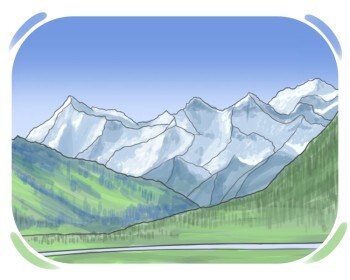
an elevated area of land that forms a crest along a hill or mountain range
hřeben, pásmo
Stezka sledovala hřeben, vinula se hustými lesy a skalními výchozy.
a field where animals eat grass
pastvina, louka
Děti běžely přes pastvinu, zatímco zvířata se pásla.
a low hill at the base of a mountain or mountain range
předhůří, úpatí hory
Postavili si svůj dom v předhůří, aby si užili výhled a čerstvý vzduch.
an area of land, particularly in reference to its physical or natural features
terén, krajina
Zemědělci přizpůsobili své pěstitelské techniky různorodému terénu svých pozemků, využívali terasování na svazích a zavlažovací systémy v nížinách k optimalizaci zemědělské produktivity.
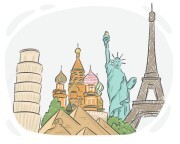
a structure or a place that is historically important
památka, historické místo
Ve Washingtonu, D.C. slouží Lincoln Memorial jako pocta prezidentu Lincolnovi a také jako mocná památka americké historie.
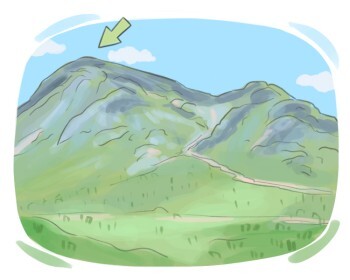
the highest point or summit, especially of a mountain or hill, where the incline culminates
hřeben, vrchol
Během cyklistického závodu byla pro jezdce nejtěžší částí strmý výstup na hřeben hřebene.
a large rock, usually one that has been shaped by natural forces such as water or ice
balvan, skála
Archeologové objevili starověké petroglyfy vyryté do povrchu balvanu, což nabízí pohled na víry minulých civilizací.
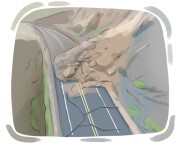
a sudden fall of a large mass of dirt or rock down a mountainside or cliff
sesuv půdy, skalní řícení
Vláda vydala varování obyvatelům o riziku sesuvu půdy během bouře.
a small, natural hill or raised area of earth, typically formed by natural processes
kopeček, návrší
Děti se skutálely z travnatého kopečku v parku.
related to travel or transport over land, especially across long distances or difficult terrain
pozemní, přes zemi
Společnost se specializuje na organizování přes pevninu expedicí pro dobrodružné cestovatele.
to undergo gradual wearing away or reduction in size, typically as a result of natural forces or environmental factors
erodovat, opotřebovat
Útesy podél pobřeží se pomalu erodovaly, když se o ně vlny tříštily.
a coastal wetland area that is covered by mud or silt at low tide and exposed at high tide
blátivá plošina, přílivová pláň
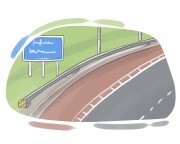
a flat strip or ledge of land, located along the side of a road, typically used for drainage or as a barrier
berma, krajnice
Běžci běželi po krajnici, aby se vyhnuli rušné silnici.
a high, steep cliff or bank overlooking a body of water, often formed by erosion or geological processes
útes, strmý sráz
Městečko se rozkládalo u paty strmého útesu podél řeky.
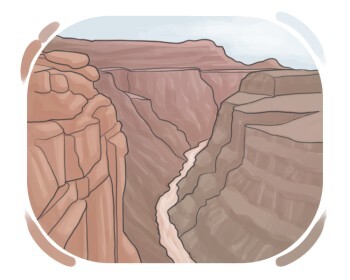
a steep-sided valley, often with a stream running through it
rokle, údolí
Ptáci hnízdili ve skalnatých stěnách rokle.
the expansive flat Arctic regions, of North America, Asia, and Europe, in which no trees grow and the soil is always frozen
tundra, tundrová oblast
Klimatické změny představují hrozbu pro oblasti tundry po celém světě, ovlivňují stanoviště volně žijících živočichů a přispívají k tání permafrostu.
a large area of land, often defined by boundaries, used for specific purposes such as development, agriculture, or conservation
území, parcela
Ochranářská organizace získala velký úsek mokřadů k ochraně stanovišť tažných ptáků.
a fast and turbulent part of a river with swift currents and obstacles like rocks
peřej
Průvodce bezpečně provedl vor peřejemi.
a narrow, shallow watercourse, often flowing through a confined natural channel
potok, říčka
Divoké květiny lemovaly okraje potoka a dodaly krajině výbuch barev.
a watercourse that flows into a larger river or body of water
přítok, přítok řeky
Protékající srdcem Evropy, řeka Dunaj získává sílu pohlcováním přítoků jako jsou řeky Inn a Dráva.

a small pool of water or other liquid, particularly rainwater
kaluž, louže
a circular current of water or air that moves against the main flow, creating a small whirlpool or whirl
vír, vírový proud
Plavec se držel dál od víru, aby se do něj nedostal.
the flow or movement of water or a liquid in a specific direction
proud, tok
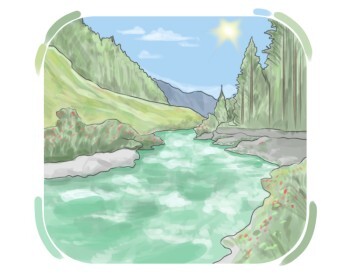
a small, natural watercourse or stream; typically characterized by a gentle and continuous flow
potok, říčka
Čistá voda potoka se třpytila na slunci.
a slight wave or series of waves on the water's surface caused by a breeze or a disturbance
vlnka, malá vlna
Sledovala, jak se vlnky šíří od místa, kde ryba skočila.
a small, slow flow of liquid
pramínek, kapka
Z malého řezu na jejím prstu vytryskl pramínek krve.
a narrow body of water between islands or leading inland from a larger body of water, often serving as a passageway or channel
zátoka, kanál
Přílivový proud přes průliv vytvořil unikátní ekosystém.
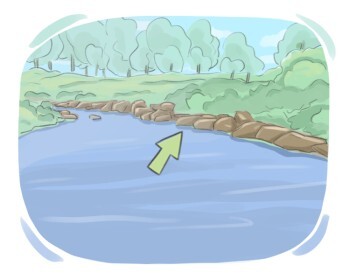
land along the sides of a river, canal, etc.
břeh, nábřeží
Děti si hrály na písčitém břehu řeky, stavěly hrady z písku a házely kamínky.
the gentle, rhythmic movement and sound of water as it washes up onto the shore or against objects
šplouchání, šumění vln
Po bouřce bylo šplouchání dešťových kapek o okno uklidňující.
the excess liquid, typically water, that exceeds the capacity of an area to contain or absorb it
odtok, povrchový odtok
Územní plánování nyní zahrnuje zelené plochy k absorpci odtoku a snížení rizika povodní.
a shallow body of water separated from a larger body of water, often by a barrier island, coral reef, or sandbar
laguna, jezero
Delta Okavango v Botswaně se skládá z lagun a vodních kanálů, které přitahují bohatou rozmanitost divoké zvěře.
an area of land that is covered with water or is always very wet
bažina, močál
Místní folklór často vypráví příběhy o tajemných bytostech číhajících v hlubinách bažiny, což přidává na její přitažlivosti a tajemnosti.
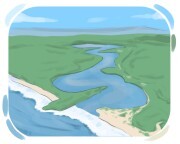
the part of a river that is wide and where it meets the sea
ústí, estuár
Environmentalisté pracují na ochraně ústí řek před znečištěním a ničením stanovišť.
a narrow channel or ravine formed by the erosion of soil, especially by running water during rainfall or storms
rokle, stružka
Stopy divoké zvěře často sledují průběh strže, což poskytuje přirozené cesty krajinou.
a stagnant or slow-moving channel or inlet, often connected to a larger body of water, such as a marsh, swamp, or backwater
mrtvé rameno, bažina
Postupem času zúžilo nahromadění sedimentů bažinu a změnilo její ekosystémovou dynamiku.
the scattered droplets or particles of water or liquid that result from something being struck or dispersed forcefully
stříkance, rozstříknutí
Šéfkuchař energicky míchal polévku, což způsobilo stříkání vývaru na sporák.
a steep, deep, and narrow sea inlet surrounded by tall cliffs, created by a glacier
fjord, ledovcový záliv
Fjordy vytvořené Hardingovým ledovcem na Aljašce předvádějí jedinečné rysy a rozmanitou divočinu.
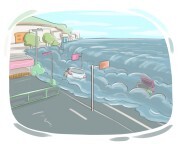
a very high wave or series of waves caused by an undersea earthquake or volcanic eruption
tsunami
Po zemětřesení vláda vydala evakuační rozkaz kvůli riziku tsunami.
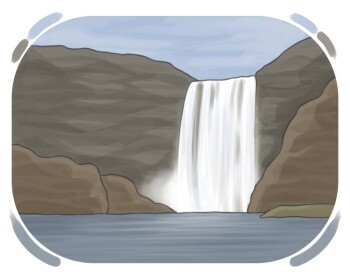
a small steep waterfall, usually one of several others
vodopád
Průvodce zdůraznil slavný vodopád jako povinnou atrakci.
