pattern

Das Buch Headway - Mittelstufe - Einheit 7

Hier finden Sie den Wortschatz aus Unit 7 im Headway Intermediate Lehrbuch, wie "knien", "kalte Schulter", "wütend" usw.

Überprüfen

Lernkarten

Formen

Rechtschreibung

Quiz
Lernen beginnen
Headway - Intermediate
body language

the nonverbal communication of thoughts, feelings, or intentions through physical gestures, posture, facial expressions, and movements

Körpersprache, nonverbale Kommunikation

Körpersprache, nonverbale Kommunikation

Ex: Reading body language is a skill that can help in negotiations. 

Körpersprache zu lesen ist eine Fähigkeit, die bei Verhandlungen helfen kann.
Schließen
Anmelden
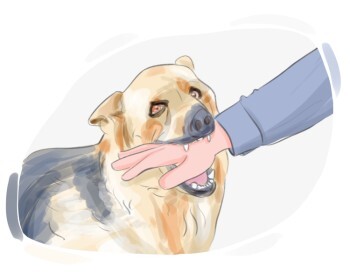
to bite
to bite
[Verb]

to cut into flesh, food, etc. using the teeth

beißen, kauen

beißen, kauen

Ex: The toddler tried to bite into the juicy apple but struggled with his small teeth. 

Der Kleinkind versuchte, in den saftigen Apfel zu beißen, aber struggled mit seinen kleinen Zähnen.

Schließen
Anmelden
to blow up

to fill with air or gas until something becomes inflated

aufblasen, mit Luft füllen

aufblasen, mit Luft füllen

Ex: The children eagerly blew up their beach toys before heading to the water. 

Die Kinder bliesen eifrig ihre Strandspielzeuge auf, bevor sie ins Wasser gingen.
Schließen
Anmelden
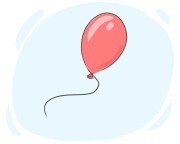
balloon
balloon
[Nomen]

a thin and small rubber bag with a hole into which air is blown and is used as a toy or decoration

Luftballon, Gummiballon

Luftballon, Gummiballon

Ex: The room was filled with balloons of different shapes and colors for the celebration. 

Der Raum war für die Feier mit Luftballons verschiedener Formen und Farben gefüllt.
Schließen
Anmelden
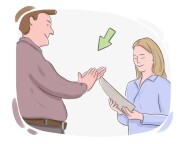
to clap
to clap
[Verb]

to strike the palms of one's hands together forcefully, usually to show appreciation or to attract attention

klatschen, in die Hände schlagen

klatschen, in die Hände schlagen

Ex: The spectators clapped and cheered as the marathon runners crossed the finish line. 

Die Zuschauer klatschten und jubelten, als die Marathonläufer die Ziellinie überquerten.
Schließen
Anmelden
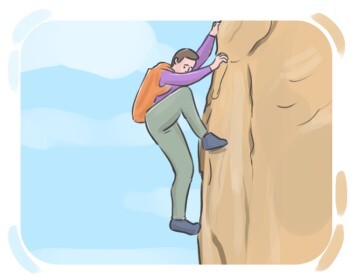
to climb
to climb
[Verb]

to go up mountains, cliffs, or high natural places as a sport

klettern
klettern

Ex: Despite the exhaustion, they continued to climb, determined to reach the summit. 

Trotz der Erschöpfung kletterten sie weiter, entschlossen, den Gipfel zu erreichen.

Schließen
Anmelden
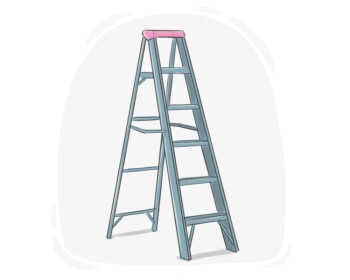
ladder
ladder
[Nomen]

a piece of equipment with a set of steps that are connected to two long bars, used for climbing up and down a height

Leiter (f)

Leiter (f)

Ex: The painter set up his ladder against the wall to reach the highest part of the house. 

Der Maler stellte seine Leiter an die Wand, um den höchsten Teil des Hauses zu erreichen.

Schließen
Anmelden
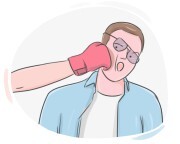
to hit
to hit
[Verb]

to strike someone or something with force using one's hand or an object

schlagen, hauen
schlagen, hauen

Ex: He hit the punching bag to relieve stress. 

Er schlug den Boxsack, um Stress abzubauen.

Schließen
Anmelden
nail
nail
[Nomen]

a small strong pointy metal that is inserted into walls or wooden objects using a hammer to hang things from or fasten them together

Nagel, Schraube

Nagel, Schraube

Ex: He removed the old nail from the wall to hang a new picture. 

Er entfernte den alten Nagel aus der Wand, um ein neues Bild aufzuhängen.

Schließen
Anmelden
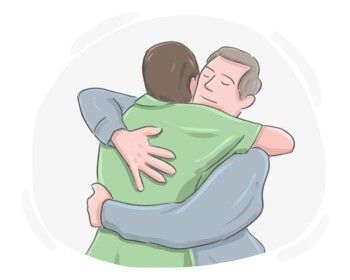
to hug
to hug
[Verb]

to tightly and closely hold someone in one's arms, typically a person one loves

umarmen, drücken

umarmen, drücken

Ex: In times of sorrow, friends often find solace in hugging each other. 

In Zeiten der Trauer finden Freunde oft Trost darin, sich zu umarmen.

Schließen
Anmelden
tight
tight
[Adjektiv]

pressed together or densely packed

eng, kompakt
eng, kompakt

Ex: The furniture in the small apartment was arranged tight. 

Die Möbel in der kleinen Wohnung waren eng angeordnet.

Schließen
Anmelden
to kick
to kick
[Verb]

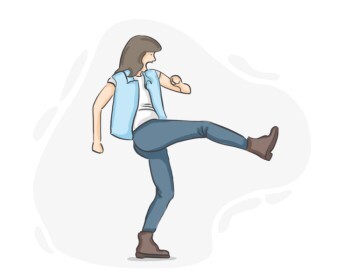
to hit a thing or person with the foot

treten

treten

Ex: She kicked the vending machine, hoping a snack would drop. 

Sie trat gegen den Automaten, in der Hoffnung, dass ein Snack herausfallen würde.

Schließen
Anmelden
football
football
[Nomen]

the oval-shaped ball that is used for playing American football

American Football, ovaler Ball
American Football, ovaler Ball

Schließen
Anmelden
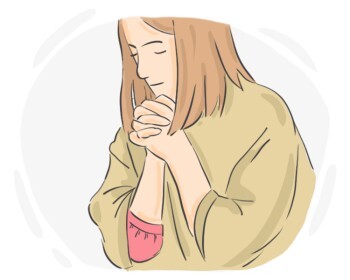
to kneel
to kneel
[Verb]

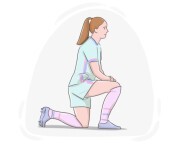
to support the weight of the body on a knee or both knees

knien

knien

Ex: During the ceremony, the participants were asked to kneel before receiving their awards. 

Während der Zeremonie wurden die Teilnehmer gebeten, niederzuknien, bevor sie ihre Auszeichnungen erhielten.
Schließen
Anmelden
to pray
to pray
[Verb]

to speak to God or a deity, often to ask for help, express gratitude, or show devotion

beten, flehen

beten, flehen

Ex: The community came together to pray for rain during the drought, seeking divine intervention. 

Die Gemeinde kam zusammen, um während der Dürre für Regen zu beten und um göttliches Eingreifen zu bitten.

Schließen
Anmelden
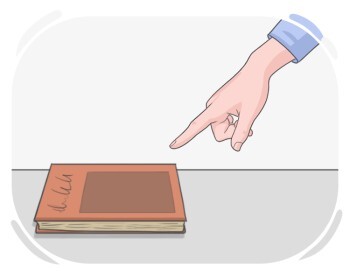
to point
to point
[Verb]

to show the place or direction of someone or something by holding out a finger or an object

zeigen
zeigen

Ex: Right now, the traffic officer is actively pointing to the detour route. 

Gerade jetzt zeigt der Verkehrspolizist aktiv auf die Umleitungsroute.

Schließen
Anmelden
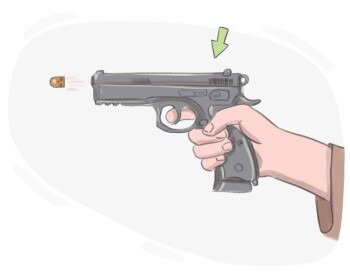
gun
gun
[Nomen]

a type of weapon that can fire bullets, etc.

Schusswaffe, Pistole
Schusswaffe, Pistole

Ex: The detective carefully examined the gun found at the crime scene for fingerprints. 

Der Detektiv untersuchte sorgfältig die Waffe, die am Tatort gefunden wurde, auf Fingerabdrücke.

Schließen
Anmelden
to scratch

to make small cuts or marks on a surface

kratzen, ritzen

kratzen, ritzen

Ex: The cat scratched the upholstery of the sofa, leaving marks behind. 

Die Katze kratzte die Polsterung des Sofas und hinterließ Spuren.

Schließen
Anmelden
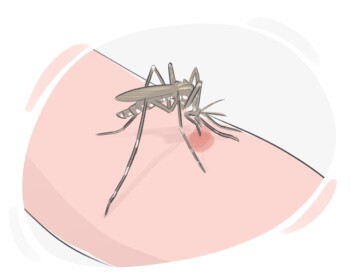
insect bite

a wound or small injury caused by the bite of an insect, often resulting in itching, swelling, or irritation

Insektenstich, Insektenbiss

Insektenstich, Insektenbiss

Ex: He couldn’t stop itching the insect bite on his ankle. 

Er konnte nicht aufhören, den Insektenstich an seinem Knöchel zu kratzen.
Schließen
Anmelden
to stare
to stare
[Verb]

to look at someone or something without moving the eyes or blinking, usually for a while, and often without showing any expression

starren, fest ansehen
starren, fest ansehen

Ex: While I was in the waiting room, I stared at the clock. 

Während ich im Wartezimmer war, starrte ich auf die Uhr.

Schließen
Anmelden
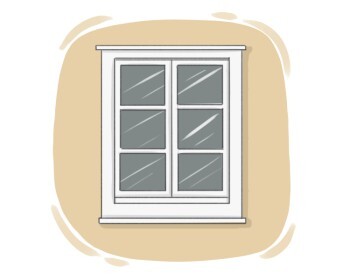
window
window
[Nomen]

a space in a wall or vehicle that is made of glass and we use to look outside or get some fresh air

Fenster
Fenster

Ex: She waved to her friend from the window as they walked by. 

Sie winkte ihrem Freund vom Fenster aus, als sie vorbeigingen.

Schließen
Anmelden
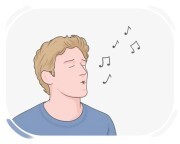
to whistle

to make a high-pitched sound by forcing air out through one's partly closed lips

pfeifen

pfeifen

Ex: The coach whistled sharply to signal the end of the practice. 

Der Trainer pfiff scharf, um das Ende des Trainings zu signalisieren.

Schließen
Anmelden
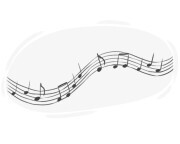
tune
tune
[Nomen]

a sequence of musical notes arranged in a specific order to create a recognizable piece of music

Melodie

Melodie

Ex: The lullaby’s soothing tune helped the baby fall asleep. 

Die beruhigende Melodie des Schlaflieds half dem Baby einzuschlafen.

Schließen
Anmelden
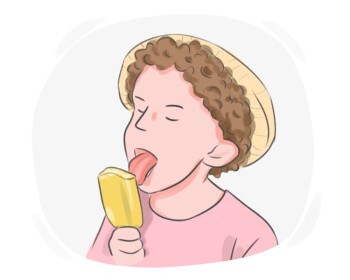
to lick
to lick
[Verb]

to pass the tongue over a surface, typically to taste or eat something

lecken, mit der Zunge über etwas fahren
lecken, mit der Zunge über etwas fahren

Ex: She licked the envelope to seal it before mailing it. 

Sie leckte den Umschlag, um ihn zu verschließen, bevor sie ihn verschickte.

Schließen
Anmelden
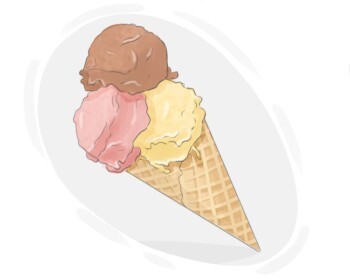
ice cream
ice cream
[Nomen]

a sweet and cold dessert that is made from a mixture of milk, cream, sugar, and various flavorings

Eis
Eis

Ex: The ice cream truck played a catchy tune to attract customers. 

Der Eiscreme-Laster spielte ein eingängiges Lied, um Kunden anzulocken.

Schließen
Anmelden
to march
to march
[Verb]

to walk firmly with regular steps

marschieren,  schreiten
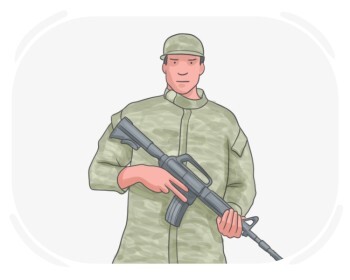
marschieren, schreiten

Ex: The athletes marched proudly into the stadium during the opening ceremony of the sports competition. 

Die Athleten marschierten stolz während der Eröffnungszeremonie des Sportwettbewerbs ins Stadion.

Schließen
Anmelden
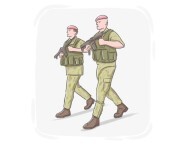
soldier
soldier
[Nomen]

someone who serves in an army, particularly a person who is not an officer

Soldat(in)

Soldat(in)

Ex: The museum had an exhibit on the life of a medieval soldier. 

Das Museum hatte eine Ausstellung über das Leben eines mittelalterlichen Soldaten.

Schließen
Anmelden
cold shoulder

an attitude or behavior characterized by a lack of warmth, friendliness, or interest

kalte Schulter, Ablehnung

kalte Schulter, Ablehnung

Ex: The manager's cold shoulder upset the new employee. 

Die kalte Schulter des Managers verärgerte den neuen Mitarbeiter.

Schließen
Anmelden
to [see] eye to eye

to completely agree with someone and understand their point of view

einer Meinung sein, auf derselben Wellenlänge sein

einer Meinung sein, auf derselben Wellenlänge sein

Ex: The team members had different approaches to problem-solving, but through open communication, they managed to see eye to eye and reach effective solutions. 
Schließen
Anmelden
[be] (way|) in over {one's} head

to get involved with something that is too difficult for one to handle or get out of

überfordert sein, sich übernommen haben

überfordert sein, sich übernommen haben

Ex: The startup was in over its head when the orders suddenly tripled. 

Das Start-up war überfordert, als sich die Bestellungen plötzlich verdreifachten.

Schließen
Anmelden
to [waste] {one's} breath

to speak or argue in vain, with little or no chance of being listened to or heeded
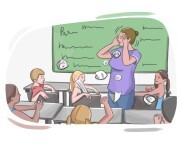
Ex: I've far better things to do than waste my breath arguing. 
Schließen
Anmelden
out of hand
out of hand
[Phrase]

impossible or very hard to control

außer Kontrolle, nicht mehr zu kontrollieren

außer Kontrolle, nicht mehr zu kontrollieren

Ex: The argument quickly got out of hand and turned into a fight. 

Der Streit geriet schnell außer Kontrolle und eskalierte zu einer Prügelei.

Schließen
Anmelden
to kick up

to stir up or provoke a reaction or response

provozieren, auslösen

provozieren, auslösen

Ex: The upcoming election is going to kick up a lot of political turmoil. 

Die bevorstehende Wahl wird viel politische Unruhe auslösen.

Schließen
Anmelden
to [make] a fuss

to react with excessive or unnecessary attention or agitation about something

Ex: The celebrity made a fuss about the paparazzi following her everywhere she went. 
Schließen
Anmelden
to [have] a sweet tooth

to be attracted to food that contains a lot of sugar

eine Schwäche für Süßes haben, naschsüchtig sein

eine Schwäche für Süßes haben, naschsüchtig sein

Ex: When I'm stressed, I tend to have a sweet tooth and reach for cookies or cake. 

Er trinkt nie Limonade, aber für Gebäck hat er eine Schwäche.

Schließen
Anmelden
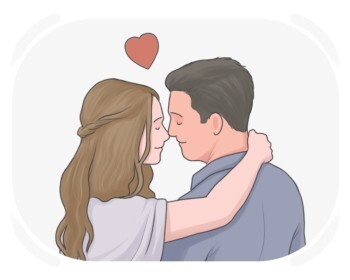
to [pull] {one's} leg

to joke with someone in a friendly manner by trying to make them believe something that is not true

jemanden auf den Arm nehmen, jemanden veräppeln

jemanden auf den Arm nehmen, jemanden veräppeln

Ex: I panicked when they said my car had been towed, but they were just pulling my leg. 

Ich bekam Panik, als sie sagten, mein Auto sei abgeschleppt worden, aber sie haben mich nur auf den Arm genommen.
Schließen
Anmelden
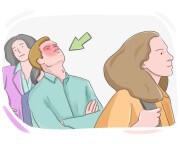
to love
to love
[Verb]

to have very strong feelings for someone or something that is important to us and we like a lot and want to take care of

lieben
lieben

Ex: She loved him from the moment they met. 

Sie liebte ihn von dem Moment an, als sie sich trafen.

Schließen
Anmelden
furious
furious
[Adjektiv]

(of a person) feeling great anger

wütend, fuchsteufelswild

wütend, fuchsteufelswild

Ex: They were furious with the airline for losing their luggage. 

Sie waren wütend auf die Fluggesellschaft, weil sie ihr Gepäck verloren hatte.
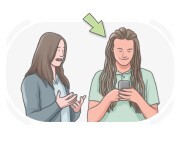
Schließen
Anmelden
to ignore
to ignore
[Verb]

to intentionally pay no or little attention to someone or something

ignorieren, nicht beachten

ignorieren, nicht beachten

Ex: She regularly ignores distracting elements to stay focused. 

Sie ignoriert regelmäßig ablenkende Elemente, um konzentriert zu bleiben.

Schließen
Anmelden
worth
worth
[Adjektiv]

important or good enough to be treated or viewed in a particular way

wertvoll, würdig
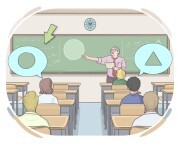
wertvoll, würdig

Ex: The concert was worth attending, even with the high ticket prices. 

Das Konzert war es wert, zu besuchen, trotz der hohen Ticketpreise.

Schließen
Anmelden
to understand

to know something's meaning, particularly something that someone says

verstehen
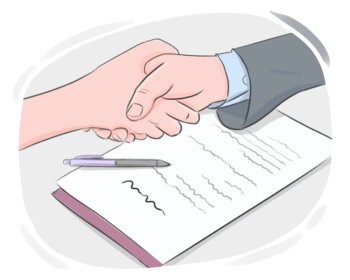
verstehen

Ex: The poor audio quality made the speaker difficult to understand. 

Die schlechte Audioqualität machte den Sprecher schwer verständlich.

Schließen
Anmelden
to agree
to agree
[Verb]

to hold the same opinion as another person about something

zustimmen, übereinstimmen

zustimmen, übereinstimmen

Ex: They agree that the movie was excellent. 

Sie stimmen zu, dass der Film ausgezeichnet war.

Schließen
Anmelden
out of control

used to describe a situation or a person that is not being managed or regulated properly, resulting in chaos or recklessness
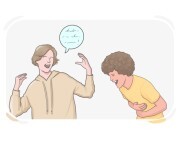
Ex: The car skidded on the ice and went out of control, hitting a tree. 
Schließen
Anmelden
to joke
to joke
[Verb]

to say something funny or behave in a way that makes people laugh

scherzen, witze machen
scherzen, witze machen

Ex: He joked about the long meeting to lighten the mood. 

Er scherzte über das lange Meeting, um die Stimmung aufzulockern.

Schließen
Anmelden
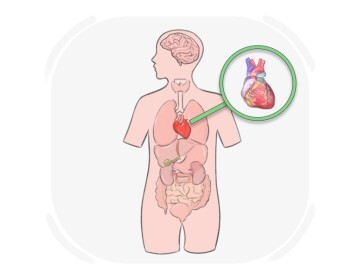
heart
heart
[Nomen]

the body part that pushes the blood to go to all parts of our body

Herz
Herz

Ex: The heart is a vital organ that pumps blood throughout the body. 

Das Herz ist ein lebenswichtiges Organ, das Blut durch den Körper pumpt.

Schließen
Anmelden
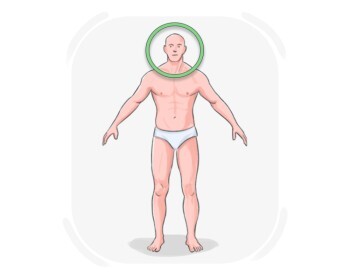
head
head
[Nomen]

the top part of body, where brain and face are located

Kopf
Kopf

Ex: She held her head high as she walked confidently into the room. 

Sie hielt ihren Kopf hoch, als sie selbstbewusst in den Raum ging.

Schließen
Anmelden
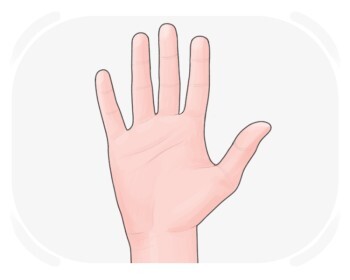
hand
hand
[Nomen]

the part of our body that is at the end of our arm and we use to grab, move, or feel things

Hand

Hand

Ex: She raised her hand to ask a question in class. 

Sie hob ihre Hand, um im Unterricht eine Frage zu stellen.

Schließen
Anmelden
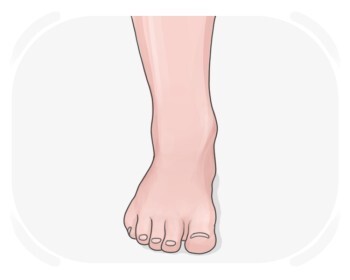
foot
foot
[Nomen]

the body part that is at the end of our leg and we stand and walk on

Fuß

Fuß

Ex: He rested his foot on the ottoman to relax. 

Er legte seinen Fuß auf das Ottomane, um sich zu entspannen.

Schließen
Anmelden
LanGeek
LanGeek-App herunterladen