
El libro Headway - Avanzado - Unidad 10
Aquí encontrarás el vocabulario de la Unidad 10 del libro de curso Headway Advanced, como "único", "cachear", "intrigado", etc.
Repasar
Tarjetas de memoria
Ortografía
Cuestionario

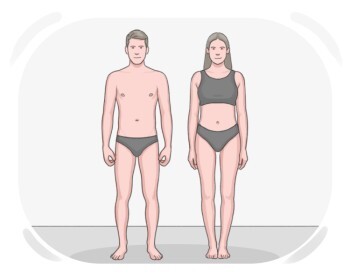
our or an animal's hands, legs, head, and every other part together

cuerpo
El sistema inmunológico del cuerpo protege contra bacterias y virus dañinos.
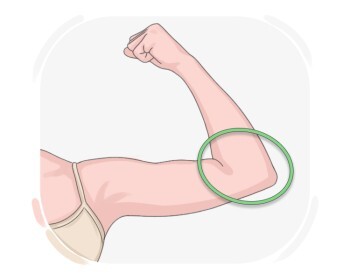
the joint where the upper arm and forearm meet and bend
codo

the front part of the leg that is between the foot and the knee
espinilla, canilla
Después de la caída, notó que se le estaba formando un moretón en la espinilla.
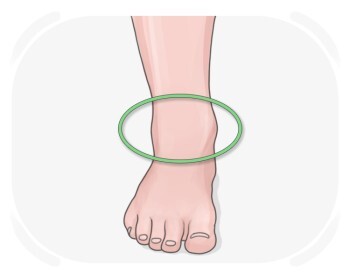
the joint connecting the foot to the lower part of the leg
tobillo
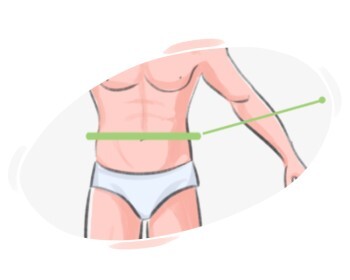
the part of the body between the ribs and hips, usually narrower than the areas above and below it
cintura, talle
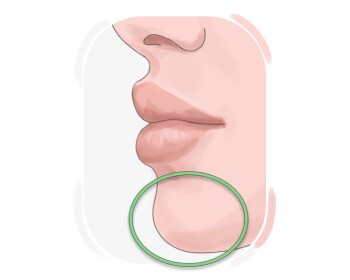
the part of the face below the mouth and above the neck
barbilla
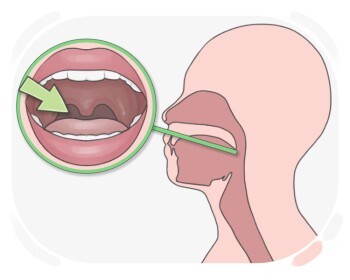
a passage in the neck through which food and air pass
garganta
El bebé se rió, produciendo adorables sonidos de gorgoteo desde su garganta.
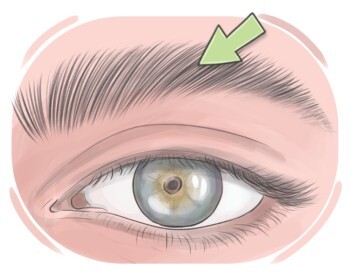
one of the two curved strips of hair that grow above the eyes
ceja
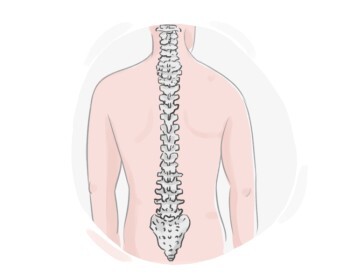
the column of connected bones running down the back that supports the body and protects the spinal cord
columna vertebral
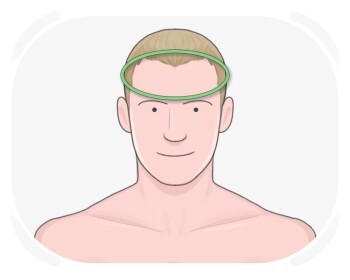
the flat part of the face above the eyebrows and below the hairline
frente
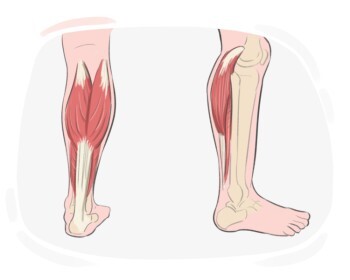
the muscular part at the back of the leg between the knee and the ankle
pantorrilla
Los ejercicios de estiramiento pueden ayudar a prevenir los calambres en los músculos de la pantorrilla después de una actividad física intensa.
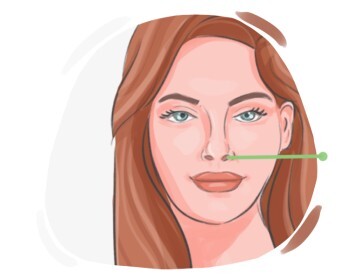
either of the two external openings of the nose that one breathes through
orificio nasal, fosa nasal
Sintió un cosquilleo en su fosa nasal cuando el aire frío le golpeó la cara.
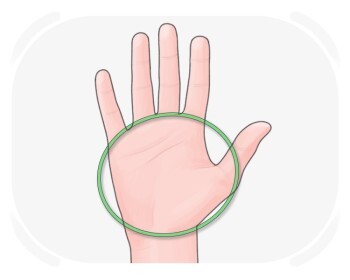
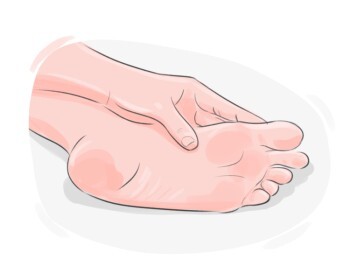
the inner surface of the hand between the wrist and the fingers
palma
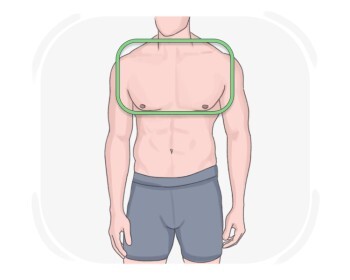
the front part of the body between the neck and the stomach
pecho
Ella sintió una sensación de alivio como si un peso le hubiera sido quitado del pecho.
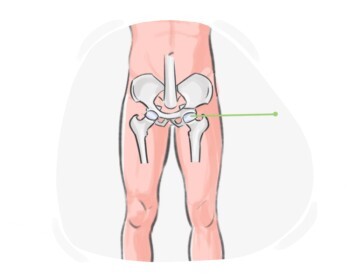
either of the two areas at the sides of the body between the waist and the upper legs
cadera
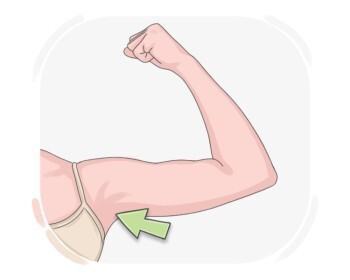
the part under the shoulder that is hollow
axila, sobaco
El médico examinó los ganglios linfáticos inflamados en la axila del paciente para evaluar su salud.
(anatomy) the large round bone structure that the limbs and the spine are joined to, which also protects the abdominal organs
pelvis
En las hembras, la pelvis es más ancha y menos profunda en comparación con los machos, lo que permite el parto y alberga los órganos reproductivos.
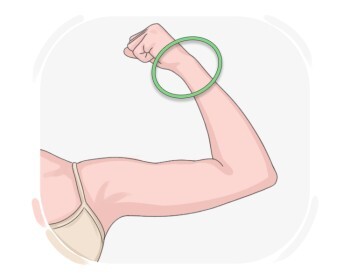
the part of the body connecting the hand to the forearm
muñeca
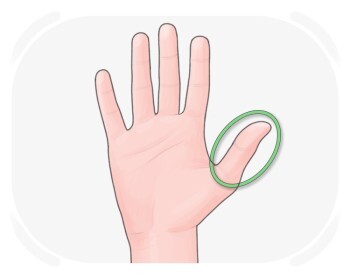
the short, thick digit of the hand that is set apart from and can move across the other fingers
pulgar
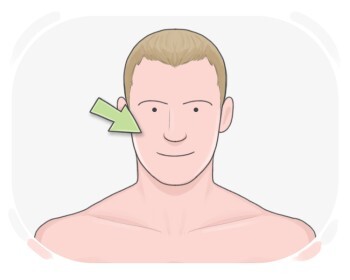
any of the two soft sides of our face that are bellow our eyes
mejilla
Ella presionó su mejilla contra la fría ventana de vidrio.
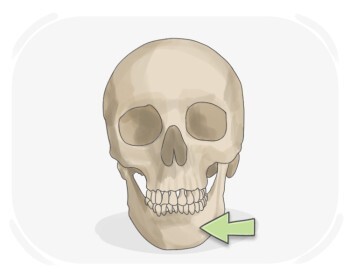
the lower jawbone or the part of the face covering it
mandíbula
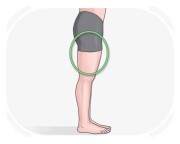
the upper part of the leg between the hip and the knee
muslo
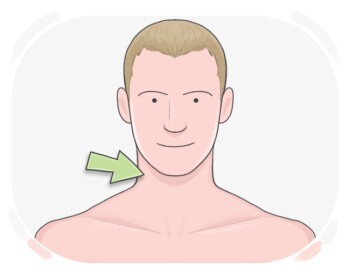
the body part that is connecting the head to the shoulders
cuello
Sintió un dolor agudo en el cuello cuando lo giró repentinamente.
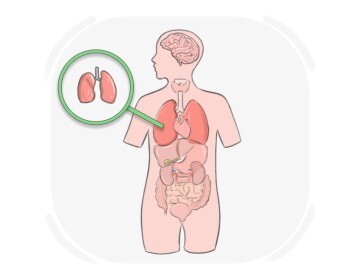
either of the two organs in the chest that allow people and many animals to breathe
pulmón
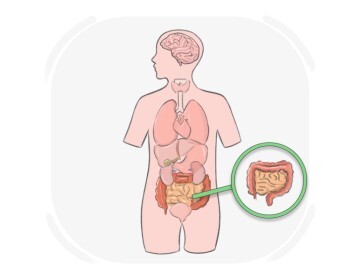
a long, continuous tube in the body through which the food coming from the stomach moves and is passed
intestino
La cirugía consistió en eliminar una obstrucción del intestino delgado.
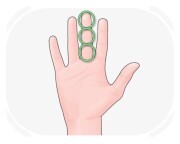
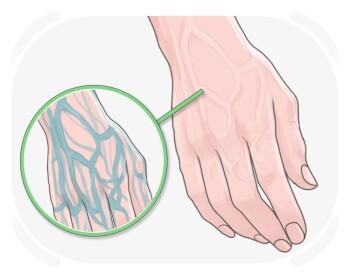
a blood vessel that carries blood from the body toward the heart
vena
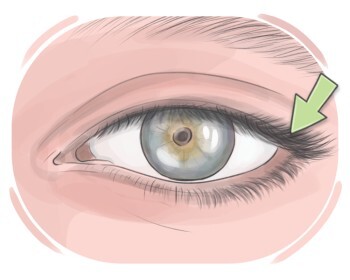
any of the short hairs that grow along the edges of the eyelids
pestaña
Ella parpadeó sus largas pestañas coquetamente.
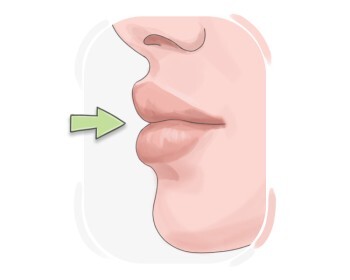
each of the two soft body parts that surround our mouth
labio
Ella aplicó bálsamo para labios para hidratar sus labios secos.
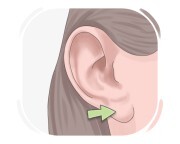
the soft fleshy part of the external ear
lóbulo de la oreja
Se masajeó el lóbulo de la oreja distraídamente durante la conferencia.
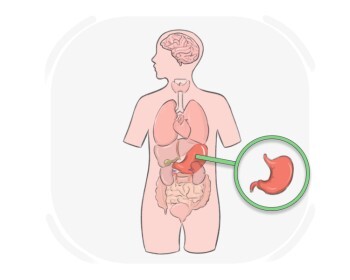
the body part inside our body where the food that we eat goes
estómago
Ella bebió un vaso de agua tibia para calmar su estómago revuelto.
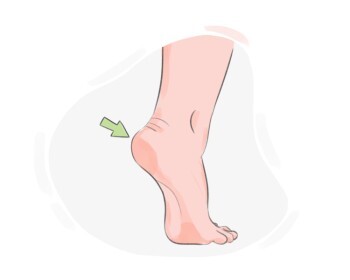
the rounded back part of the foot below the ankle
talón
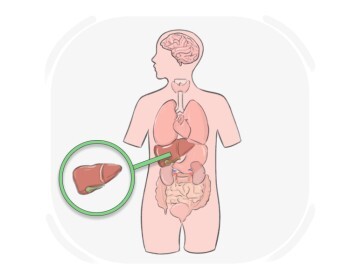
a large organ in the abdomen that performs many metabolic functions, including processing nutrients, producing bile, and removing harmful substances from the blood
hígado
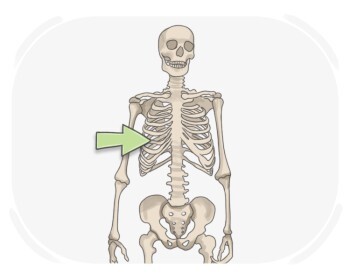
each of the curved bones surrounding the chest to protect the organs inside
costilla
Las costillas se expanden y se contraen con cada respiración, ayudando a facilitar la respiración.
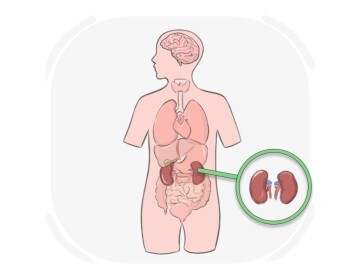
each of the two bean-shaped organs in the lower back of the body that separate wastes from the blood and make urine
riñón
Los chequeos regulares y los análisis de sangre son esenciales para monitorear la salud de los riñones y detectar cualquier anomalía temprano.
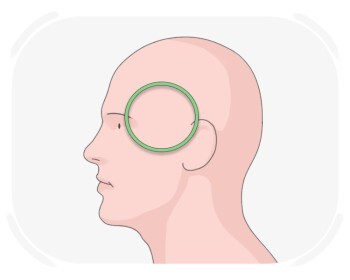
either of the two flat areas on the sides of the head between the forehead and the ears
sien
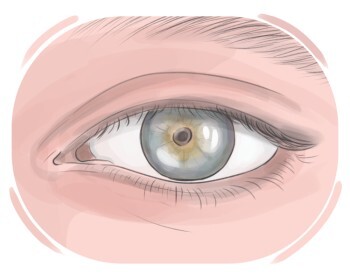
a body part on our face that we use for seeing
ojo
Tenía pestañas largas y rizadas que enmarcaban sus ojos.
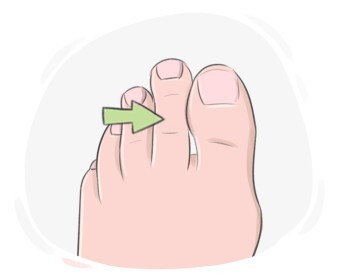
one of the separate digits at the end of a human foot or the corresponding part of an animal's foot
dedo del pie
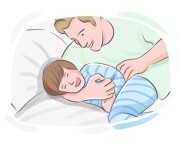
to lightly touch or stroke a sensitive part of the body, causing a tingling or laughing sensation
hacer cosquillas,cosquillear
A los hermanos les encantaba hacer cosquillas el uno al otro durante los momentos de juego en casa.
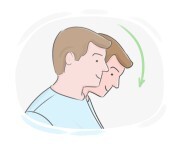
to move one's head up and down as a sign of agreement, understanding, or greeting
asentir con la cabeza
El público asintió con la cabeza en señal de comprensión mientras el orador explicaba el concepto.
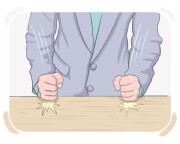
to hit or strike heavily with the hand or a blunt object, producing a dull, muffled sound
golpear,aporrear
El baterista golpeó el bombo para marcar el ritmo.
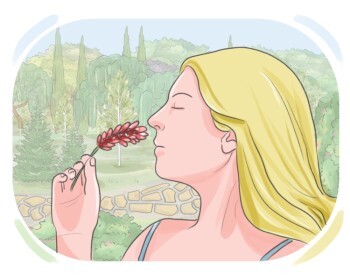
to inhale air audibly through the nose, often to detect or identify a scent or odor
olfatear,husmear
Ahora mismo, el detective está olfateando la evidencia para encontrar cualquier olor inusual.
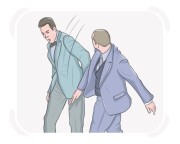
to hit someone or something with an open hand, usually making a sharp sound
abofetear,golpear
El gato molesto contraatacó intentando abofetear la nariz del perro juguetón con su pata.
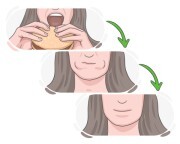
to cause food, drink, or another substance to pass from the mouth through the throat into the stomach
tragar, ingerir
to hit someone or something hard with an open hand or a flat object
abofetear,golpear
Le dio un suave golpe en la espalda a su amigo como gesto de felicitación.
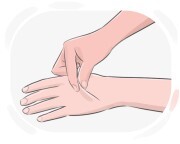
to tightly grip and squeeze something, particularly someone's flesh, between one's fingers
pellizcar,apretar
Cuando vio la vista impresionante, no pudo evitar pellizcarse para asegurarse de que no era un sueño.
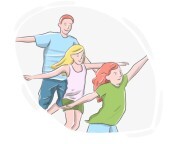
to move about playfully or energetically
brincar, retozar
Después de estar encerrados en el interior, los niños salieron corriendo afuera para retozar y jugar en el aire fresco.
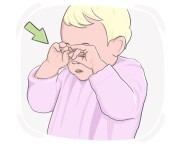
to move a hand, cloth, or other object repeatedly over a surface while pressing against it
frotar, restregar
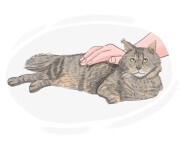
to rub gently or caress an animal's fur or hair
acariciar
El caballo se inclinó hacia el tacto del jinete mientras continuaba acariciando su crin después del paseo.
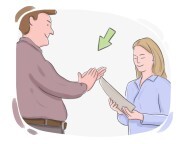
to strike the palms of one's hands together forcefully, usually to show appreciation or to attract attention
aplaudir
Los estudiantes aplaudieron al ritmo de la música durante la asamblea escolar.
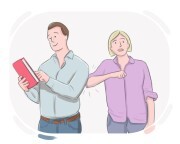
to gently push or prod someone or something, often to get attention or suggest a course of action
empujar suavemente,dar un codazo discreto
Ayer, ella le dio un codazo discretamente para recordarle su cita de almuerzo.
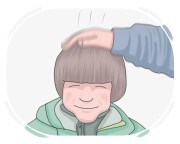
to touch someone or something gently with the open hand, especially to show affection, approval, or reassurance
palmear, acariciar
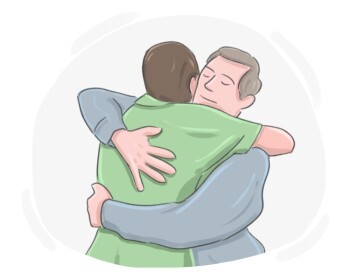
to tightly and closely hold someone in one's arms, typically a person one loves
abrazarse
Como muestra de apoyo, abrazó suavemente a su amigo que estaba pasando por un momento difícil.
to press something firmly, especially from two or more sides
apretar,exprimir

to move forward by exerting force, often in a determined manner
empujar,abrirse paso
En la prisa por entrar al lugar del concierto, los fanáticos comenzaron a empujar hacia la entrada.

to force saliva or phlegm out of the mouth
escupir, esputar

to quickly open and close one eye as a sign of affection or to indicate something is a secret or a joke
guiñar el ojo
El profesor guiñó el ojo al estudiante que había dado la respuesta correcta.
a medicine without any physiological effect that is given to a control group in an experiment to measure the effectiveness of a new drug or to patients who think they need medicine when in reality they do not
placebo
Algunos pacientes informaron sentirse mejor después de tomar el placebo, destacando el poder de la mente en la curación.
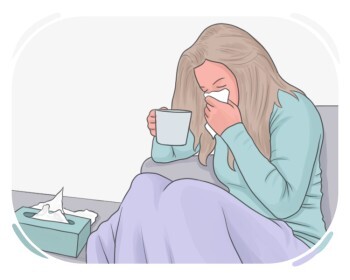
an infectious disease similar to a bad cold, causing fever and severe pain
gripe
Tiene fiebre alta; podría ser la gripe.
a disorder in which one is unable to sleep or stay asleep
insomnio
El médico recomendó algunas técnicas de relajación para ayudar a combatir su insomnio y mejorar la calidad de su sueño.

intensely interested or captivated by something or someone
fascinado
Su charla fascinada llenó la habitación mientras discutían el último descubrimiento científico.
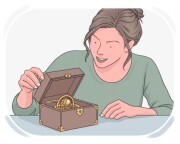
wanting to know more about something because it seems very interesting
intrigado
Se sintió intrigado por la perspectiva de aprender un nuevo idioma después de ver un documental sobre su importancia cultural.
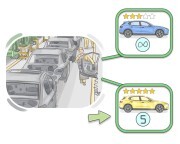
very little in quantity or amount
limitado, restringido
El restaurante tiene una capacidad de asientos limitada, por lo que es mejor hacer una reserva con antelación.
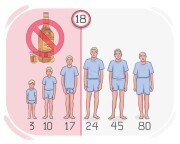
limited or controlled by regulations or specific conditions
restringido, limitado
Ciertos medicamentos están restringidos y requieren una receta médica.
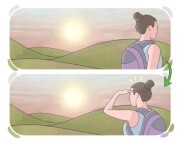
to pay attention to someone or something, especially because they deserve or attract attention
darse cuenta de, notar, reconocer
to understand, regard, or think about someone or something in a particular way
percibir
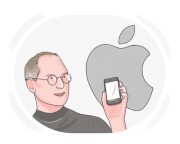
a sample, showing what the rest of the data is typically like
ejemplo
En el informe financiero, presentaron múltiples estudios de casos, siendo el rendimiento de la Compañía A un ejemplo principal de éxito.
the act of displaying or expressing something such as an emotion or opinion
manifestación, demostración
El profesor realizó una demostración en clase para mostrar a los estudiantes cómo realizar el experimento de manera segura y efectiva.
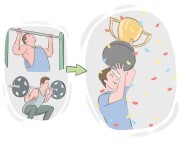
to obtain something through one's own actions or hard work
obtener
Ganaron la confianza de sus clientes al ofrecer constantemente un servicio excepcional.
the right or opportunity to use something or benefit from it
acceso
Los ciudadanos tienen acceso a los servicios de salud a través de programas financiados por el gobierno.
to make use of or access a resource or source of information
explotar,acceder
Como escritor, a menudo recurría a experiencias personales para encontrar inspiración para sus novelas.
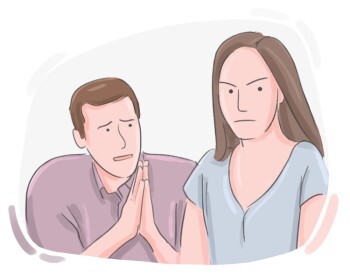
to ask someone very earnestly or desperately to do something
suplicar, implorar
to use the power or potential of something effectively for a specific purpose
aprovechar,utilizar
La empresa aprovechó las redes sociales para llegar a una audiencia más amplia en el lanzamiento de su producto.
a difficulty or problem, particularly a minor, hidden, or unpredicted one
obstáculo
Todo iba bien hasta que encontraron un problema en el software.
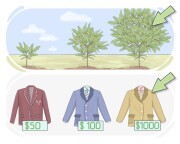
completely or to the fullest possible extent
muy
