
Verbos para Evocar Emociones - Verbos para evocar miedo y angustia
Aquí aprenderás algunos verbos en inglés que se refieren a evocar miedo y angustia como "asustar", "preocupar" y "traumatizar".
Revisión
Tarjetas de memoria
formas
Ortografía
Cuestionario
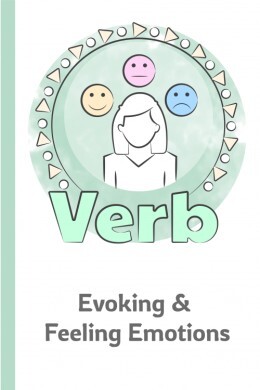
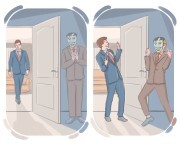
to suddenly make a person or animal to feel afraid

asustar
La escena de la película de terror me asustó tanto que no pude dormir durante días.

to startle or frighten someone suddenly
asustar, espantar
No te me acerques así de repente; ¡realmente me asustaste!
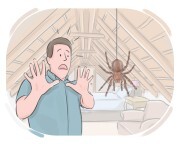
to cause extreme fear in someone
aterrorizar
La idea de estar solo en el bosque oscuro por la noche me aterroriza.
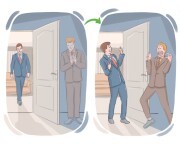
to cause a person or animal to feel scared
asustar

to cause extreme fear
aterrorizar, sembrar el terror
El matón aterrorizó el patio de la escuela, haciendo difícil que otros estudiantes se sintieran seguros.

to say that one is willing to damage something or hurt someone if one's demands are not met
amenazar
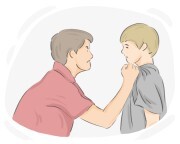
to make someone feel afraid or nervous
intimidar
El gran grupo de matones intimidaba a los niños más pequeños en el patio de recreo.
to make someone so frightened that they cannot move or speak
petrificar
El grito aterrador en la casa encantada petrificó a los visitantes, dejándolos sin palabras.

to cause a person to feel scared or unconfident
intimidar, acobardar
A pesar de su determinación, la complejidad de la tarea desanimó a la estudiante, haciéndola dudar de sus habilidades.

to cause intense fear, shock, or disgust in someone
horrorizar, aterrorizar
El descubrimiento de los animales mutilados en el bosque horrorizó a la comunidad local.

to surprise or upset someone greatly
asustar
to disturb or unsettle someone, causing them to feel worried or uneasy
perturbar
El cambio repentino en la actitud de su amigo lo perturbó, dejándolo sintiéndose incómodo acerca de su relación.

to surprise someone so much that they are unable to react quickly
sorprender, desconcertar
El fuerte estruendo en la cocina nos tomó por sorpresa a todos, y corrimos a ver qué había pasado.

to cause someone to feel shocked, worried, or upset
consternar
La noticia de los despidos consternó a los empleados, causando ansiedad sobre su futuro.
to cause a sudden shock or surprise, resulting in a quick, involuntary reaction
asustar, sobresaltar
El repentino sonido del teléfono la asustó, haciendo que derramara su café.
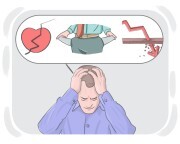
to deeply shock or overwhelm emotionally
devastar, arrasar
Suspender el examen lo devastó, ya que había estudiado mucho y tenía grandes esperanzas.
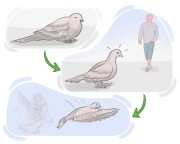
to make someone feel frightened, worried, or anxious about a possible danger or problem
alarmar, inquietar
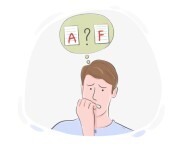
to make someone feel nervous or uncomfortable, often by surprising or overwhelming them
poner nervioso
Ser puesto en evidencia frente a la clase desconcierta al niño tímido que se queda paralizado en lugar de dar su discurso.

to subject someone or something to serious difficulty, strain, or hardship
angustiar, aquejar

to greatly shock or surprise someone
dejar atónito
Su notable talento para el canto asombró a todos en el show de talentos, ganándose una ovación de pie.
to shock or horrify someone, causing them to feel alarmed or deeply unpleasantly surprised
consternar, horrorizar
La crueldad hacia los animales en el documental horrorizó a los espectadores, provocando llamados al cambio.
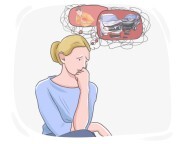
to cause severe emotional distress or psychological harm to someone, often resulting in long-term effects
traumatizar, causar un trauma
La experiencia de ser robado a punta de pistola traumatizó al empleado de la tienda de conveniencia, quien desarrolló TEPT.
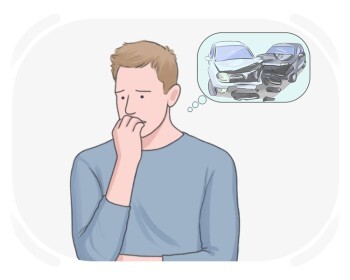
to cause someone to worry
preocupar
