pattern

Verbos para Evocar Emociones - Verbos para expresar emociones negativas

Aquí aprenderás algunos verbos en inglés que se refieren a sentimientos negativos como "aborrecer", "lamentar" y "envidiar".

Revisión

Tarjetas de memoria

formas

Ortografía

Cuestionario

Empezar a aprender
Categorized English Verbs of Evoking and Feeling Emotions
to dislike
to dislike
[Verbo]

to not like a person or thing

no gustar

no gustar

Ex: Sarah dislikes crowded places; they make her uncomfortable. 

A Sarah no le gustan los lugares concurridos; la hacen sentir incómoda.

to hate
to hate
[Verbo]

to really not like something or someone

odiar

odiar

Ex: I hate spicy food because it burns my mouth. 

Odio la comida picante porque me quema la boca.

to resent
to resent
[Verbo]

to feel irritated, angry, or displeased about something

molestar

molestar

Ex: They resent the new rules imposed by management without considering their input. 

Ellos resienten las nuevas reglas impuestas por la gerencia sin considerar su opinión.
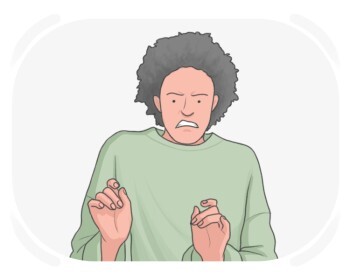
to abhor
to abhor
[Verbo]

to hate a behavior or way of thought, believing that it is morally wrong

detestar

detestar

Ex: They abhor discrimination in any form and strive for equality. 

Ellos aborrecen la discriminación en cualquier forma y luchan por la igualdad.

to despise
to despise
[Verbo]

to hate and have no respect for something or someone

despreciar

despreciar

Ex: They despise liars and value honesty and integrity in all relationships. 

Ellos desprecian a los mentirosos y valoran la honestidad y la integridad en todas las relaciones.

to detest
to detest
[Verbo]

to absolutely hate someone or something

detestar

detestar

Ex: They detest injustice and fight for equality and fairness. 

Ellos detestan la injusticia y luchan por la igualdad y la equidad.

to abominate

to hate something or someone intensely

abominar, detestar

abominar, detestar

Ex: They abominate racism and actively work to promote racial equality. 

Ellos aborrecen el racismo y trabajan activamente para promover la igualdad racial.

to execrate

to hold or display extreme hatred toward something or someone

execrar

execrar

Ex: They execrate oppressive regimes that suppress basic human rights. 

Ellos execran los regímenes opresivos que suprimen los derechos humanos básicos.

to deplore
to deplore
[Verbo]

to openly and strongly disapprove or condemn something

deplorar

deplorar

Ex: She deplored the use of violence as a solution to conflicts. 

Ella deploró el uso de la violencia como solución a los conflictos.

to scorn
to scorn
[Verbo]

to have no respect for someone or something because one thinks they are stupid or undeserving

desdeñar

desdeñar

Ex: They scorn the idea of discrimination and strive for inclusivity and equality. 

Desprecian la idea de discriminación y luchan por la inclusión y la igualdad.

to envy
to envy
[Verbo]

to feel unhappy or irritated because someone else has something that one desires

envidiar

envidiar

Ex: They envy their classmates' popularity and wish they were as well-liked. 

Envidian la popularidad de sus compañeros de clase y desearían ser tan queridos.

to begrudge

to feel jealous or irritated because someone possesses something one desires

envidiar, resentir

envidiar, resentir

Ex: He begrudges his neighbor's new car and wishes he could afford one like it. 

Él envidia el coche nuevo de su vecino y desearía poder permitirse uno igual.
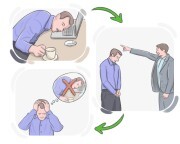
to regret
to regret
[Verbo]

to feel sad, sorry, or disappointed about something that has happened or something that you have done, often wishing it had been different

lamentar, arrepentirse

lamentar, arrepentirse

Ex: He regretted not telling his friend how much he appreciated their friendship before it was too late. 

Él lamentó no haberle dicho a su amigo cuánto apreciaba su amistad antes de que fuera demasiado tarde.

to rue
to rue
[Verbo]

to feel regret or sorrow for something

arrepentirse de

arrepentirse de

Ex: The student is ruing the choice to procrastinate on studying for the exam. 

El estudiante lamenta la elección de procrastinar en el estudio para el examen.

to miss
to miss
[Verbo]

to feel sad because we no longer can see someone or do something

extrañar, echar de menos

extrañar, echar de menos

Ex: I missed my family while studying abroad. 

Extrañé a mi familia mientras estudiaba en el extranjero.

to pine
to pine
[Verbo]

to strongly desire something or someone, especially when they are absent

suspirar por, añorar

suspirar por, añorar

Ex: We pined for the taste of home-cooked meals while living abroad. 

Anhelábamos el sabor de las comidas caseras mientras vivíamos en el extranjero.

to rage
to rage
[Verbo]

to act violently because one is extremely angry

enfurecerse, rabiar

enfurecerse, rabiar

Ex: She raged when she discovered the betrayal. 

Ella se enfureció cuando descubrió la traición.

to seethe
to seethe
[Verbo]

to feel extremely worried and angry internally while trying not to show it externally

estar furioso

estar furioso

Ex: They seethed with resentment but remained composed. 

Ellos hervían de resentimiento pero permanecieron compuestos.

to fume
to fume
[Verbo]

to be very angry, often showing signs of visible irritation

humear, estar furioso

humear, estar furioso

Ex: I could see her fuming with rage after the argument. 

Podía verla humear de rabia después de la discusión.

LanGeek
Descargar la aplicación LanGeek