
Humanidades SAT - Comunicación
Aquí aprenderás algunas palabras en inglés relacionadas con la comunicación, como "alardear", "exponer", "vernáculo", etc., que necesitarás para aprobar tus SATs.
Revisión
Tarjetas de memoria
formas
Ortografía
Cuestionario

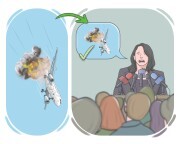
to openly accept something as true or real

reconocer
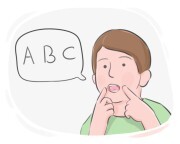
to say the sound of a letter or word correctly or in a specific way
pronunciar

to show that something is false or incorrect
refutar
Ella presentó pruebas para refutar las acusaciones en su contra.

to speak with excessive pride about one's achievements, possessions, abilities, or qualities
alardear, presumir

to speak or say something in a very quiet, low voice
murmurar
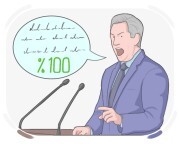
to state confidently and firmly that something is true
afirmar
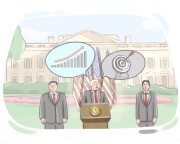
to announce or declare something publicly or officially
proclamar, declarar

to officially agree to a plan, proposal, etc.
aprobar
to clearly and correctly articulate words
articular
A menudo se aconseja a los oradores públicos que articulen sus palabras para transmitir confianza y credibilidad a la audiencia.

to represent something in a short and brief manner
resumir, sintetizar
El profesor pidió a los estudiantes que resumieran sus hallazgos de investigación en un resumen de una página.

to talk rapidly and incoherently, making it hard for others to understand what is being said
despotricar, divagar
El niño pequeño estaba tan emocionado por la fiesta de cumpleaños que comenzó a desvariar sobre todos los regalos que quería.

to explain something by providing examples, doing experiments, etc.
explicar
to give an explanation of something by talking about it in great detail
exponer
El profesor explicó el tema, proporcionando un análisis en profundidad y ejemplos.

to admit, often reluctantly, that something is true or correct
reconocer, admitir
to quote words or a passage from a written or spoken source
citar, mencionar

to give someone a message, instruction, etc. by making a sound or movement
hacer señas a, hacer una seña a
to draw back from what was said publicly before; often by force
retractarse
El portavoz rápidamente retractó la declaración que había causado indignación pública.

to publicly express one's disapproval of something or someone
denunciar, condenar
El líder denunció las políticas discriminatorias y pidió inclusividad.
to give a brief description of something excluding the details
resumir
to insert a comment, remark, or question abruptly into a conversation
interponer
Intenté intervenir, pero estaban demasiado inmersos en el debate.
to mention or express something in few words
mencionar, expresar
to suggest or assume the existence or truth of something as a basis for reasoning, discussion, or belief
postular
Los economistas postulan diferentes modelos para analizar y predecir el comportamiento de los mercados financieros.
to make something so simple that it loses its original meaning, intention, or key facts
simplificar en exceso, reducir en exceso
Al intentar hacer la historia comprensible para los niños, terminó simplificando demasiado detalles importantes.
to take back a statement or belief, especially publicly
retractarse
Las personas a veces retractan sus declaraciones cuando se dan cuenta de las implicaciones.
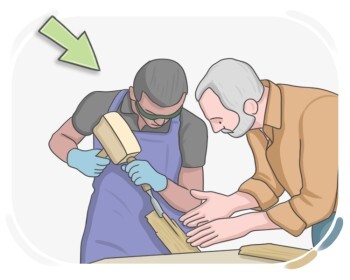
to explain or show the meaning of something using examples, pictures, etc.
explicar
to reject or disown something previously accepted or claimed, often in a formal or public manner
renunciar a
En un discurso dramático, el político renunció a sus promesas anteriores.
to express strong disapproval of someone or something, especially publicly
desacuerdo con algo fuertemente
to propose or assume something as true or factual, serving as the foundation for further reasoning or argumentation
postular, plantear
El físico postuló la existencia de universos paralelos para explicar ciertos fenómenos observados en la mecánica cuántica.

to convey or tell something again, like a story, event, or experience
volver a contar, repetir
Él volvió a contar el chiste a sus amigos, esperando una mejor reacción.
to clarify and make something clear
dilucidar
En su libro, el autor elucida el contexto histórico de los eventos que discute.
to clearly define or state specific details, characteristics, or requirements
especificar, detallar
to pronounce or utter something in a clear and precise way
expresar bien

to explain something in greater detail or provide more information about it
dar más detalles

to say words or phrases repeatedly and in a rhythmic manner
cantar, corear
El profesor animó a los estudiantes a cantar las tablas de multiplicar para reforzar el aprendizaje.

to say something from memory, such as a poem or speech
recitar, declamar
El actor pasó horas ensayando para poder recitar sus líneas de manera convincente en el escenario.
(linguistics) to express a concept, thought, or idea in a foreign language
cifrar
El diplomático confió en intérpretes expertos para codificar sus discursos en múltiples idiomas.
a formal or explicit statement expressing a fact, opinion, intention, or belief
declaración, manifestación
an assertive and direct statement of objection or disapproval
protesta, objeción
Su protesta contra el trato injusto fue audaz e inflexible.
a loud, forceful, or bombastic speech or outburst delivered with strong emotion, often critical or angry
diatriba, arenga
Su diatriba estaba llena de ira e indignación.
the act of using the voice to produce sounds or speech
vocalización, emisión vocal
Su vocalización dramática de los diálogos del personaje dio vida a la obra.
the act of strongly and persistently expressing or demanding something, often refusing to accept contrary opinions or suggestions
insistencia
a low, sorrowful sound typically made in response to pain, distress, or despair
gemido, quejido
an official announcement regarding something specific
declaración
a heartfelt often vocal expression of deep sorrow or grief
lamento, queja
El lamento desgarrador del lobo solitario resonó en la noche.
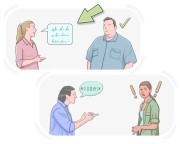
able to speak or write clearly and effortlessly
fluido, elocuente
Se volvió fluido al discutir temas científicos con el tiempo.
relating to the everyday language spoken by ordinary people in a particular region or country
vernáculo, popular
El uso de expresiones vernáculas por parte del poeta añadió un encanto único a su obra.
(of people) unable to express oneself clearly or easily
poco elocuente, con dificultad para expresarse
El balbuceo inarticulado del niño pequeño divertía a sus padres, que intentaban descifrar su significado.
intended to explain and present information in a detailed manner
expositivo
El documental utilizó una narración expositiva para aclarar los eventos.
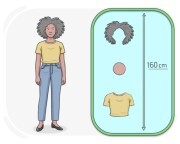
providing detailed information about how something looks, feels, sounds, or behaves
descriptivo
En su informe, incluyó un análisis descriptivo de las tendencias del mercado.
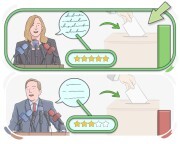
able to utilize language to convey something well, especially in a persuasive manner
elocuente
El escritor elocuente pinta imágenes vívidas con palabras, evocando emociones poderosas en los lectores.

in a manner that is direct and clear
explícitamente, categóricamente
La política fue explícitamente comunicada a todos los empleados.
in a clear and explicit manner, leaving no room for misunderstanding or confusion
expresamente, claramente
El contrato expresamente delineó los términos y condiciones.
