
Humanistyka SAT - Komunikacja
Tutaj nauczysz się niektórych angielskich słów związanych z komunikacją, takich jak "przechwalać się", "wyjaśniać", "wernakularny" itp., które będą Ci potrzebne do zdania SAT.
Przegląd
Fiszki
formy
Pisownia
Test

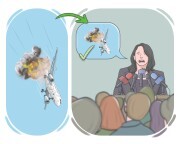
to openly accept something as true or real

uznawać, przyznawać
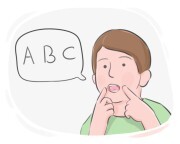
to say the sound of a letter or word correctly or in a specific way
wymawiać, artykułować

to show that something is false or incorrect
obalić, zaprzeczyć
Historyk obalił popularny mit faktami historycznymi.

to speak with excessive pride about one's achievements, possessions, abilities, or qualities
przechwalać się, chwalić się

to speak or say something in a very quiet, low voice
mruczeć
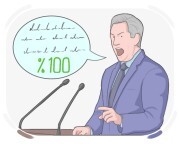
to state confidently and firmly that something is true
twierdzić, zapewniać
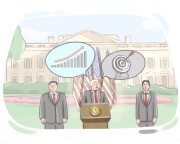
to announce or declare something publicly or officially
proklamować, ogłaszać

to officially agree to a plan, proposal, etc.
zatwierdzać, aprobować
to clearly and correctly articulate words
wymawiać wyraźnie, artykułować
Mówcom publicznym często zaleca się wyraźne wymawianie słów, aby przekazać pewność siebie i wiarygodność publiczności.

to represent something in a short and brief manner
podsumować, streszczać
Profesor poprosił studentów, aby podsumowali swoje wyniki badań w jednostronicowym streszczeniu.
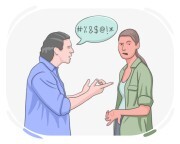
to talk rapidly and incoherently, making it hard for others to understand what is being said
bredzić, mówić od rzeczy
Mówiąc o swoim ulubionym hobby, zachwycał się zawiłościami i niuansami.

to explain something by providing examples, doing experiments, etc.
demonstrować, ilustrować
to give an explanation of something by talking about it in great detail
wyjaśniać, omawiać szczegółowo
Wyłożył swoją teorię, oferując nowe spojrzenie na problem.

to admit, often reluctantly, that something is true or correct
przyznać, ustąpić
to quote words or a passage from a written or spoken source
cytować, powoływać się

to give someone a message, instruction, etc. by making a sound or movement
sygnalizować, dawać znak
to draw back from what was said publicly before; often by force
wycofać, odwołać
Serwis informacyjny został zmuszony do wycofania fałszywych informacji, które opublikował.

to publicly express one's disapproval of something or someone
potępiać, denuncjować
Profesor potępił plagiat, podkreślając znaczenie uczciwości akademickiej.
to give a brief description of something excluding the details
naszkicować, krótko opisać
to insert a comment, remark, or question abruptly into a conversation
wtrącić, przerwać
On wtrącił sarkastyczną uwagę, która rozładowała napięcie.
to mention or express something in few words
wspomnieć, wyrazić
to suggest or assume the existence or truth of something as a basis for reasoning, discussion, or belief
postulować, zakładać
Historycy mogą postulować motywy stojące za działaniami historycznych postaci na podstawie dostępnych dowodów.
to make something so simple that it loses its original meaning, intention, or key facts
nadmiernie upraszczać, zbytnio upraszczać
Politycy często nadmiernie upraszczają problemy, aby ich rozwiązania wydawały się bardziej atrakcyjne.
to take back a statement or belief, especially publicly
odwołać, wyrzec się
W nadchodzącym spotkaniu rzecznik odwoła poprzednie stanowisko firmy w tej sprawie.
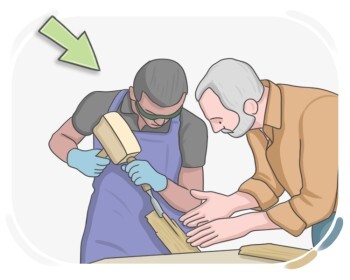
to explain or show the meaning of something using examples, pictures, etc.
ilustrować, wyjaśniać na przykładach
to reject or disown something previously accepted or claimed, often in a formal or public manner
zrzec się, wyrzec się
Grupa zrzekła się przestarzałych tradycji i przyjęła bardziej postępowe idee.
to express strong disapproval of someone or something, especially publicly
potępiać, ganić
to propose or assume something as true or factual, serving as the foundation for further reasoning or argumentation
postulować, zakładać
Fizyk założył istnienie równoległych wszechświatów, aby wyjaśnić pewne zjawiska obserwowane w mechanice kwantowej.

to convey or tell something again, like a story, event, or experience
opowiedzieć ponownie, przedstawić na nowo
Historyk opowiedział ponownie wydarzenia bitwy w żywych szczegółach.
to clarify and make something clear
wyjaśniać, objaśniać
Nauczyciel wyjaśnił trudny problem matematyczny, ułatwiając uczniom zrozumienie.
to clearly define or state specific details, characteristics, or requirements
określić, sprecyzować
to pronounce or utter something in a clear and precise way
artykułować, wymawiać wyraźnie
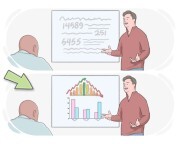
to explain something in greater detail or provide more information about it
rozwinąć, wyjaśnić szczegółowo

to say words or phrases repeatedly and in a rhythmic manner
śpiewać, skandować
Jako część ceremonii kapłan odśpiewał błogosławieństwa, wzywając boską przychylność dla nowożeńców.

to say something from memory, such as a poem or speech
recytować, deklamować
Podczas ceremonii członkowie zgromadzenia kolejno recytowali fragmenty świętej księgi.
(linguistics) to express a concept, thought, or idea in a foreign language
kodować, wyrażać
Program wymiany językowej dał uczestnikom możliwość ćwiczenia kodowania swoich pomysłów w obcym języku.
a formal or explicit statement expressing a fact, opinion, intention, or belief
deklaracja, oświadczenie
an assertive and direct statement of objection or disapproval
protest, sprzeciw
Jego protest przeciwko niesprawiedliwemu traktowaniu był odważny i nieugięty.
a loud, forceful, or bombastic speech or outburst delivered with strong emotion, often critical or angry
tyrada, gniewna mowa
Przestałem słuchać jego tyrady po pierwszych pięciu minutach.
the act of using the voice to produce sounds or speech
wokalizacja, emisja głosu
Jego dramatyczna wokalizacja kwestii postaci ożywiła sztukę.
the act of strongly and persistently expressing or demanding something, often refusing to accept contrary opinions or suggestions
upór
a low, sorrowful sound typically made in response to pain, distress, or despair
jęk, westchnienie
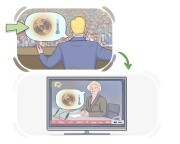
an official announcement regarding something specific
oświadczenie, komunikat
a heartfelt often vocal expression of deep sorrow or grief
lament, żal
Lament matki za zaginionym dzieckiem był rozdzierający serce.
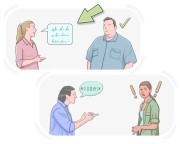
able to speak or write clearly and effortlessly
płynny, biegły
Płynne argumenty adwokata przekonały ławę przysięgłych.
relating to the everyday language spoken by ordinary people in a particular region or country
wernakularny, ludowy
Użycie przez poetę potocznych wyrażeń dodało jego dziełu unikalnego uroku.
(of people) unable to express oneself clearly or easily
niewyraźny, nieelokwentny
Niewyraźne protesty często nie przekazują głębi publicznego niezadowolenia.
intended to explain and present information in a detailed manner
wyjaśniający, opisowy
On woli pisarstwo objaśniające od esejów perswazyjnych.
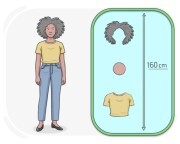
providing detailed information about how something looks, feels, sounds, or behaves
opisowy, szczegółowy
Opisowe szkice artysty uchwyciły istotę tętniącego życiem miasta.
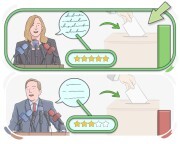
able to utilize language to convey something well, especially in a persuasive manner
wymowny, przekonujący
Ona jest wymowna, z łatwością urzekając publiczność swoją przekonującą i wyraźną mową.
not having the quality to be explained, justified, or perceived
niewytłumaczalny

in a manner that is direct and clear
wyraźnie, jasno
Zastrzeżenie na stronie internetowej wyraźnie wyjaśniło warunki.
in a clear and explicit manner, leaving no room for misunderstanding or confusion
wyraźnie, jasno
Wyraźnie wspomniał o terminie składania sprawozdania.
