pattern

Lista de Palabras Nivel C1 - Ley y Orden

Aquí aprenderás algunas palabras en inglés sobre la ley y el orden, como "sue", "detain", "advocate", etc. preparadas para estudiantes de C1.

Revisión

Tarjetas de memoria

formas

Ortografía

Cuestionario

Empezar a aprender
CEFR C1 Vocabulary
to sue
to sue
[Verbo]

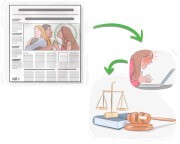
to bring a charge against an individual or organization in a law court

demandar
demandar

Ex: The author opted to sue the publisher for copyright infringement. 
to acquit
to acquit
[Verbo]

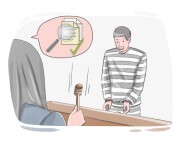
to officially decide and declare in a law court that someone is not guilty of a crime

absolver

absolver

Ex: Last month, the court acquitted the accused after a thorough trial. 

El mes pasado, el tribunal absolvió al acusado después de un juicio exhaustivo.
to bail
to bail
[Verbo]

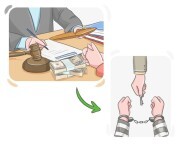
to release someone until their trial after they gave an amount of money to the court

pagar la fianza de

pagar la fianza de

Ex: Right now, the family is bailing the defendant out of custody. 
to condemn
to condemn
[Verbo]

to officially sentence someone to a particular punishment

condenar

condenar

Ex: The court condemned both men to lengthy prison terms. 
to convict
to convict
[Verbo]

to officially find someone guilty of a crime in a court of law

condenar

condenar

Ex: James was convicted of robbery and later sentenced to five years in prison. 
to detain
to detain
[Verbo]

to officially hold someone in a place, such as a jail, and not let them go

detener, arrestar

detener, arrestar

Ex: During the investigation, law enforcement has the power to detain individuals suspected of a crime. 

Durante la investigación, las fuerzas del orden tienen el poder de detener a individuos sospechosos de un delito.

to enforce
to enforce
[Verbo]

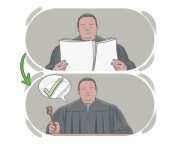
to make sure that a law, rule, or regulation is obeyed

hacer cumplir, hacer valer
hacer cumplir, hacer valer

Ex: Inspectors regularly visit restaurants to enforce health regulations. 
to legislate

to create or bring laws into effect through a formal process

legislar

legislar

Ex: In the coming years, governments around the world will need to legislate laws to address emerging technologies. 

En los próximos años, los gobiernos de todo el mundo necesitarán legislar leyes para abordar las tecnologías emergentes.

to prosecute

to try to charge someone officially with a crime in a court as the lawyer of the accuser

procesar

procesar

Ex: The prosecutor’s office chose not to prosecute, citing insufficient evidence. 

La fiscalía optó por no procesar, citando pruebas insuficientes.

to testify
to testify
[Verbo]

to make a statement as a witness in court saying something is true

testificar, declarar

testificar, declarar

Ex: Experts may be called to testify regarding their professional opinions on a case. 

Se puede llamar a los expertos a testificar respecto a sus opiniones profesionales sobre un caso.
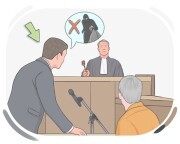
advocate
advocate
[Sustantivo]

a lawyer who represents or pleads on behalf of a client in a court of law

abogado

abogado

Ex: Daniel works as an advocate specializing in commercial law. 
Federal Bureau of Investigation

a law enforcement agency controlled by the central government that deals with crimes that involve more than one state

FBI

FBI

Ex: The Federal Bureau of Investigation, often referred to as the FBI, handles cases that involve national security threats. 
cop
cop
[Sustantivo]

someone who works as one of the members of a police force

policía

policía

Ex: She admired her father, who had served as a cop for over twenty years. 

Ella admiraba a su padre, quien había servido como policía por más de veinte años.

plain-clothes
plain-clothes
[Adjetivo]

(of a police officer) dressed in civilian clothes while on duty

de civil, en ropa de civil

de civil, en ropa de civil

Ex: She was surprised when the plain-clothes officer revealed his identity and badge. 
handcuff
handcuff
[Sustantivo]

a pair of rings made of metal with a chain attached to them, used for putting on the wrists of prisoners

esposas

esposas

Ex: The detective carried a set of handcuffs in case they needed to restrain a dangerous suspect. 

El detective llevaba un par de esposas por si necesitaba sujetar a un sospechoso peligroso.

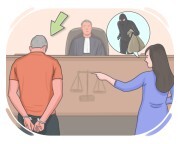
patrol
patrol
[Sustantivo]

the act of regularly moving around an area to check for danger, crime, or other problems

patrulla
patrulla

Ex: Daniel went on patrol with the security team. 
defendant
defendant
[Sustantivo]

a person in a law court who is sued by someone else or is accused of committing a crime

acusado
acusado

Ex: The defense attorney cross-examined the witness to cast doubt on the defendant's involvement. 
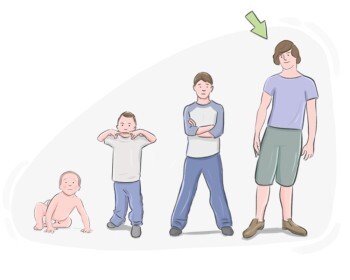
juvenile
juvenile
[Sustantivo]

a young person who has not reached adulthood yet

menor, joven

menor, joven

Ex: The juvenile's parents were called to discuss their child's behavior at school. 

Los padres del juvenil fueron llamados para discutir el comportamiento de su hijo en la escuela.
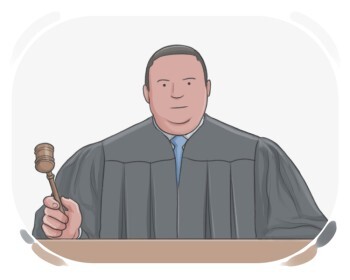
magistrate
magistrate
[Sustantivo]

a judicial official who deals with less serious criminal cases or preliminary legal matters

juez de paz

juez de paz

Ex: The magistrate granted bail until the next hearing. 
outlaw
outlaw
[Sustantivo]

a person who operates outside the boundaries of established rules and may engage in illegal activities

bandido, bandolero

bandido, bandolero

Ex: In the 1920s, Al Capone gained notoriety as a Chicago-based outlaw involved in organized crime. 

En la década de 1920, Al Capone ganó notoriedad como un forajido con base en Chicago involucrado en el crimen organizado.
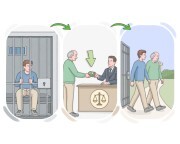
bond
bond
[Sustantivo]

(law) an amount of money paid to temporarily release a person from prison until their trial

fianza

fianza

Ex: The bail bondsman posted the required bond on behalf of the defendant, securing their release from detention. 
court order
court order
[Sustantivo]

an order given by a judge or court regarding a case

mandato judicial, orden judicial

mandato judicial, orden judicial

Ex: The court order mandated the eviction of the tenants for failure to pay rent. 

La orden judicial ordenó el desalojo de los inquilinos por no pagar el alquiler.
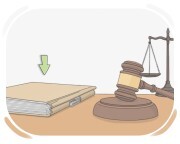
lawsuit
lawsuit
[Sustantivo]

a complaint or claim that someone brings to a law court for settlement

pleito, demanda, juicio

pleito, demanda, juicio

Ex: The lawsuit was settled out of court with both parties agreeing to a financial settlement. 
hearing
hearing
[Sustantivo]

(law) an official gathering in a court of law, especially without the presence of the jury, to find out information about a case and listen to evidence

audiencia, vista

audiencia, vista

Ex: During the evidentiary hearing, the prosecution presented forensic evidence to support their case. 
custody
custody
[Sustantivo]

the state of being kept under legal restraint by the police or other authorities, especially while awaiting trial

detención

detención

Ex: She was released from custody the following morning. 
declaration
declaration
[Sustantivo]

a signed written statement giving information or affirming that something is true, especially for legal or official purposes

declaración

declaración

Ex: Daniel was asked to complete a declaration stating that he had no financial interest in the company. 
guilt
guilt
[Sustantivo]

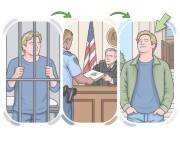
the fact or state of having committed a crime, offense, or other wrongdoing

culpabilidad
culpabilidad

Ex: The new evidence raised serious doubts about her guilt. 
innocence
innocence
[Sustantivo]

the state of not being guilty of a crime or offense

inocencia

inocencia

Ex: The judge declared her innocence after reviewing all the evidence. 
legalization
legalization
[Sustantivo]

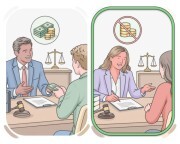
the action or process of making something legal

legalización
legalización

Ex: Advocates campaigned for the legalization of assisted suicide for terminally ill patients. 
pro bono
pro bono
[Adjetivo]

referring to a legal work that is done free of charge, often by a lawyer

pro bono, gratuito

pro bono, gratuito

Ex: The law firm offered pro bono services to support local community initiatives. 
plea
plea
[Sustantivo]

a formal answer given in court to a criminal charge, stating whether the accused is guilty or not guilty

declaración

declaración

Ex: The judge asked him to enter a plea to the charge. 
testimony
testimony
[Sustantivo]

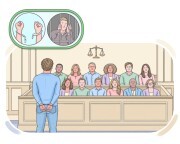
a formal statement saying something is true, particularly made by a witness in court

testimonio, declaración
testimonio, declaración

Ex: Her testimony was crucial in establishing the defendant's guilt. 
verdict
verdict
[Sustantivo]

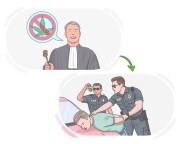
the formal decision reached by a jury in a court case

veredicto
veredicto

Ex: Emma waited anxiously for the jury's verdict. 
warrant
warrant
[Sustantivo]

an official document authorizing police or another authority to arrest someone, search a place, or take another specified action

orden judicial

orden judicial

Ex: Officers entered the building after presenting a search warrant. 
applicable
applicable
[Adjetivo]

relevant to someone or something in a particular context or situation

aplicable, pertinente

aplicable, pertinente

Ex: The safety guidelines are applicable to all employees working in hazardous environments. 
invalid
invalid
[Adjetivo]

officially or legally unacceptable

inválido

inválido

Ex: The defendant's argument was dismissed as invalid by the court. 
judicial
judicial
[Adjetivo]

belonging or appropriate for a court, a judge, or the administration of justice

judicial

judicial

Ex: The judicial system ensures fair treatment and due process for all individuals involved in legal proceedings. 

El sistema judicial garantiza un trato justo y el debido proceso para todas las personas involucradas en procedimientos legales.

liable
liable
[Adjetivo]

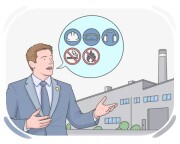
legally held accountable for the cost of something

responsable
responsable

Ex: The driver who caused the accident was deemed liable for repairs to the other vehicle. 
regulatory
regulatory
[Adjetivo]

creating and enforcing rules or regulations to control or govern a particular activity or industry

regulador

regulador

Ex: The regulatory approval process for new drugs involves rigorous testing to assess their safety and efficacy. 
undercover
undercover
[Adjetivo]

working or conducted secretly under the supervision of a law enforcement agency to gather information or catch criminals

secreto, clandestino

secreto, clandestino

Ex: The undercover operation uncovered illegal activities within the company. 

La operación encubierta descubrió actividades ilegales dentro de la empresa.
lethal
lethal
[Adjetivo]

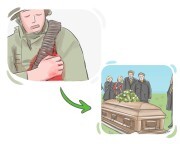
capable of causing death

mortal, letal

mortal, letal

Ex: The assassin used a lethal dose of poison to eliminate their target discreetly. 

El asesino usó una dosis letal de veneno para eliminar a su objetivo discretamente.

to declare
to declare
[Verbo]

to officially tell people something

declarar, manifestar
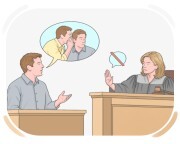
declarar, manifestar

Ex: The president addressed the nation to formally declare war against the aggressor. 
hearsay
hearsay
[Sustantivo]

(law) restatement of other people's words by a witness in a law court, which is not counted as evidence

testimonio de oídas

testimonio de oídas

Ex: Hearsay evidence is generally not admissible in court unless it falls under certain exceptions. 
public prosecutor
public prosecutor
[Sustantivo]

a lawyer employed by a government, whose job is to prove that a person is guilty of a crime in a law court

fiscal público, procurador público

fiscal público, procurador público

Ex: The role of the public prosecutor is to represent the state in criminal cases. 
to rat out
to rat out
[Verbo]

to inform an authority about the wrongdoings or crimes of others

delatar a alguien ante las autoridades, chivarse de alguien

delatar a alguien ante las autoridades, chivarse de alguien

Ex: Someone ratted us out to the police. 

Alguien nos delató a la policía.

to pinch
to pinch
[Verbo]

to take someone into custody

detener, agarrar

detener, agarrar

Ex: The officers pinched the gang members during the raid. 
class action
class action
[Sustantivo]

a lawsuit concerning a problem that is shared by a group of people, which is brought to a law court on behalf of all

acción colectiva, demanda colectiva

acción colectiva, demanda colectiva

Ex: Class action lawsuits allow individuals with similar grievances to seek justice collectively. 
LanGeek
Descargar la aplicación LanGeek