pattern

Lista de Palabras Nivel C1 - Ciencia

Aquí aprenderás algunas palabras en inglés sobre ciencia, como "atomic", "density", "evolution", etc. preparadas para estudiantes de C1.

Revisión

Tarjetas de memoria

formas

Ortografía

Cuestionario

Empezar a aprender
CEFR C1 Vocabulary
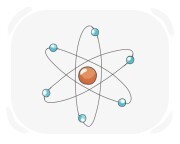
atomic
atomic
[Adjetivo]

related to atoms, the smallest units of matter, including their structure, properties, and interactions

atómico
atómico

Ex: The periodic table organizes elements based on their atomic number and properties. 

La tabla periódica organiza los elementos según su número atómico y sus propiedades.

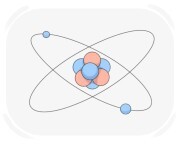
nucleus
nucleus
[Sustantivo]

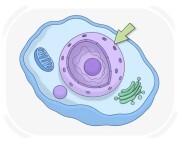
(biology) the part of a cell that contains most of the genetic information

núcleo
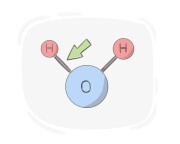
núcleo

Ex: Within the nucleus, there is a dense region called the nucleolus, where ribosomal RNA (rRNA) is synthesized and assembled into ribosomes. 

Dentro del núcleo, hay una región densa llamada nucléolo, donde el ARN ribosomal (ARNr) se sintetiza y se ensambla en ribosomas.

bond
bond
[Sustantivo]

a link that holds atoms or ions together in any molecule or crystal

enlace
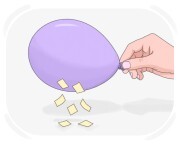
enlace

Ex: Metallic bonds are characterized by the delocalization of electrons within a metal lattice, allowing for high electrical conductivity. 

Los enlaces metálicos se caracterizan por la deslocalización de electrones dentro de una red metálica, lo que permite una alta conductividad eléctrica.

charge
charge
[Sustantivo]

the physical property in matter that causes it to experience a force in an electromagnetic field

carga
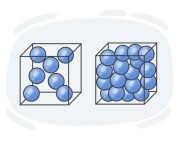
carga

Ex: The unit of electric charge is the coulomb (C), named after the French physicist Charles-Augustin de Coulomb. 

La unidad de carga eléctrica es el culombio (C), llamado así por el físico francés Charles-Augustin de Coulomb.

density
density
[Sustantivo]

(physics) the degree to which a substance is compacted, measured by dividing its mass by its volume

densidad

densidad

Ex: The density of a material can affect its physical properties, such as its strength and buoyancy. 

La densidad de un material puede afectar sus propiedades físicas, como su resistencia y flotabilidad.

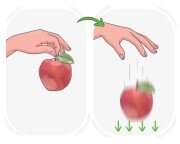
gravity
gravity
[Sustantivo]

(physics) the universal force of attraction between any pair of objects with mass

gravedad

gravedad

Ex: Einstein's theory of general relativity revolutionized our understanding of gravity by explaining it as the curvature of spacetime caused by mass. 

La teoría de la relatividad general de Einstein revolucionó nuestra comprensión de la gravedad al explicarla como la curvatura del espacio-tiempo causada por la masa.

particle
particle
[Sustantivo]

(physics) any of the smallest units that energy or matter consists of, such as electrons, atoms, molecules, etc.

partícula

partícula

Ex: The Large Hadron Collider is a powerful accelerator designed to study the behavior of subatomic particles. 

El Gran Colisionador de Hadrones es un acelerador potente diseñado para estudiar el comportamiento de las partículas subatómicas.

property
property
[Sustantivo]

a feature or quality of something

propiedad

propiedad

Ex: Location is often cited as the most important property factor when buying real estate. 

La ubicación suele citarse como el factor más importante al comprar una propiedad.

instinct
instinct
[Sustantivo]

a natural reaction or behavior that occurs automatically, without conscious thought or reasoning

instinto, intuición

instinto, intuición

Ex: His instinct to help others kicked in when he saw the car accident on the highway. 

Su instinto de ayudar a los demás se activó cuando vio el accidente de coche en la autopista.

metabolism
metabolism
[Sustantivo]

the chemical processes through which food is changed into energy for the body to use

metabolismo
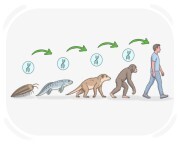
metabolismo

Ex: The thyroid gland plays a crucial role in regulating metabolism by producing hormones that control metabolic rate. 

La glándula tiroides juega un papel crucial en la regulación del metabolismo al producir hormonas que controlan la tasa metabólica.

evolutionary
evolutionary
[Adjetivo]

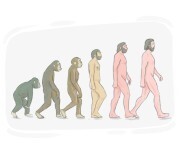
related to evolution or the slow and gradual development of something

evolutivo

evolutivo

Ex: The evolutionary history of humans traces back millions of years to ancestral primates. 

La historia evolutiva de los humanos se remonta millones de años atrás a los primates ancestrales.

organic
organic
[Adjetivo]

from or related to living things

orgánico

orgánico

Ex: Organic matter in soil provides essential nutrients for plant growth and microbial activity. 

La materia orgánica en el suelo proporciona nutrientes esenciales para el crecimiento de las plantas y la actividad microbiana.

evolution
evolution
[Sustantivo]

(biology) the slow and gradual development of living things throughout the history of the earth

evolución

evolución

Ex: The study of evolution helps scientists understand the diversity of life on Earth and how organisms are interconnected through common ancestry. 

El estudio de la evolución ayuda a los científicos a comprender la diversidad de la vida en la Tierra y cómo los organismos están interconectados a través de un ancestro común.

genome
genome
[Sustantivo]

the complete set of genetic material of any living thing

genoma

genoma

Ex: Researchers are studying the genome of the coronavirus to track its mutations and develop effective vaccines. 

Los investigadores están estudiando el genoma del coronavirus para rastrear sus mutaciones y desarrollar vacunas efectivas.
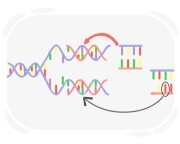
mutation
mutation
[Sustantivo]

(biology) a change in the structure of the genes of an individual that causes them to develop different physical features

mutación

mutación

Ex: Due to a mutation in his genes, the child was born with blue eyes, even though both parents had brown eyes. 

Debido a una mutación en sus genes, el niño nació con ojos azules, aunque ambos padres tenían ojos marrones.

embryo
embryo
[Sustantivo]

an unhatched or unborn offspring in the process of development, especially a human offspring roughly from the second to the eighth week after fertilization

embrión

embrión

Ex: Researchers study embryos to better understand the early stages of human development and congenital disorders. 

Los investigadores estudian los embriones para comprender mejor las primeras etapas del desarrollo humano y los trastornos congénitos.

hybrid
hybrid
[Sustantivo]

an animal or plant with parents that belong to different breeds or varieties

híbrido

híbrido

Ex: The gardener planted a hybrid in her vegetable patch, knowing it would yield more fruit and be less susceptible to disease than purebred varieties. 

El jardinero plantó un híbrido en su huerto, sabiendo que produciría más fruta y sería menos susceptible a enfermedades que las variedades puras.

clone
clone
[Sustantivo]

a cell or a group of cells created through a natural or artificial process from a source that they are genetically identical to

clon

clon

Ex: Researchers created a clone of the original stem cell to study its potential for regenerating damaged tissues. 

Los investigadores crearon un clon de la célula madre original para estudiar su potencial para regenerar tejidos dañados.
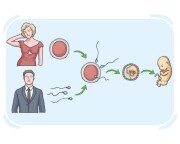
to reproduce

(of a living being) to produce offspring or more of itself

reproducir

reproducir

Ex: Humans reproduce through sexual reproduction, leading to the birth of babies. 

Los humanos se reproducen a través de la reproducción sexual, lo que lleva al nacimiento de bebés.

stimulus
stimulus
[Sustantivo]

something that triggers a reaction in various areas like psychology or physiology

estímulo

estímulo

Ex: In therapy, therapists may use various stimuli, such as images or prompts, to evoke emotional responses and facilitate discussion. 

En terapia, los terapeutas pueden usar varios estímulos, como imágenes o indicaciones, para evocar respuestas emocionales y facilitar la discusión.

synthesis
synthesis
[Sustantivo]

the act of producing a substance that exists in living beings

síntesis

síntesis

Ex: The synthesis of insulin in the pancreas helps regulate blood sugar levels in the body. 

La síntesis de insulina en el páncreas ayuda a regular los niveles de azúcar en la sangre en el cuerpo.

to accelerate

to increase the velocity of something

acelerar
acelerar

Ex: The electric field between charged particles can accelerate electrons. 

El campo eléctrico entre partículas cargadas puede acelerar electrones.

to dissolve

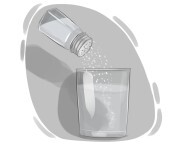
(of a solid) to become one with a liquid

disolverse

disolverse

Ex: The salt has completely dissolved into the soup. 

La sal se ha disuelto completamente en la sopa.

acid
acid
[Sustantivo]

a water-soluble chemical substance that contains Hydrogen and has a sour taste or corrosive feature with a PH less than 7

ácido
ácido

Ex: Vinegar is an example of a weak acid known as acetic acid, which is commonly used in cooking and cleaning. 

El vinagre es un ejemplo de un ácido débil conocido como ácido acético, que se usa comúnmente en la cocina y la limpieza.

aluminum
aluminum
[Sustantivo]

a light silver-gray metal used primarily for making cooking equipment and aircraft parts

aluminio

aluminio

Ex: The soda cans are made from recycled aluminum, which helps reduce environmental waste. 

Las latas de refresco están hechas de aluminio reciclado, lo que ayuda a reducir los residuos ambientales.

copper
copper
[Sustantivo]

a metallic chemical element that has a red-brown color, primarily used as a conductor in wiring

cobre

cobre

Ex: Plumbing pipes made of copper are known for their durability and resistance to corrosion. 

Las tuberías de plomería hechas de cobre son conocidas por su durabilidad y resistencia a la corrosión.

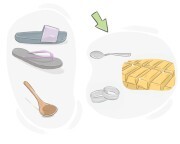
lead
lead
[Sustantivo]

a heavy soft metal, used in making bullets, in plumbing and roofing, especially in the past

plomo
plomo

Ex: In ancient times, lead was often used to make coins and statues due to its ease of shaping and durability. 

En la antigüedad, el plomo se usaba a menudo para hacer monedas y estatuas debido a su facilidad de moldeo y durabilidad.

conductor
conductor
[Sustantivo]

a substance that permits electricity to pass through or along it

conductor

conductor

Ex: Graphite is a conductor commonly used in electrodes for batteries and in electronic devices. 

El conductor es un material comúnmente utilizado en electrodos para baterías y en dispositivos electrónicos.

crystal
crystal
[Sustantivo]

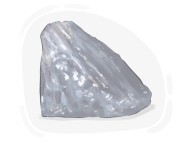
a solid substance formed when a chemical compound solidifies, with atoms arranged in a highly regular, repeating pattern

cristal

cristal

Ex: Sugar crystals sparkle when exposed to light. 

Los cristales de azúcar brillan cuando se exponen a la luz.

gunpowder
gunpowder
[Sustantivo]

a type of powder that is explosive, used in making bullets, bombs, etc.

pólvora

pólvora

Ex: In fireworks displays, gunpowder is used to create colorful explosions and effects in the sky. 

En los espectáculos de fuegos artificiales, la pólvora se utiliza para crear explosiones y efectos coloridos en el cielo.

dynamite
dynamite
[Sustantivo]

an explosive that is very powerful

dinamita

dinamita

Ex: Dynamite revolutionized construction and mining industries by allowing for controlled blasting of rock and earth. 

La dinamita revolucionó las industrias de la construcción y la minería al permitir voladuras controladas de roca y tierra.
composition
composition
[Sustantivo]

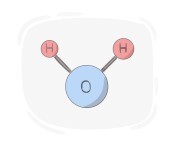
the different elements that form something or the arrangement of these elements

composición

composición

Ex: The composition of air includes nitrogen (78%), oxygen (21%), carbon dioxide, and trace amounts of other gases. 

La composición del aire incluye nitrógeno (78%), oxígeno (21%), dióxido de carbono y trazas de otros gases.

to emit
to emit
[Verbo]

to release heat, light, sound, radiation, etc.

emitir

emitir

Ex: The nuclear reactor emits radiation as a byproduct of the fission process. 

El reactor nuclear emite radiación como subproducto del proceso de fisión.

ray
ray
[Sustantivo]

a column of light, such as that emitted from a beacon or focused source

rayo

rayo

Ex: He followed the ray into the dark tunnel. 

Siguió el rayo hacia el túnel oscuro.

laser
laser
[Sustantivo]

a device that produces a powerful and concentrated beam of light that can be used in medical procedures, for cutting metal objects, etc.

láser

láser

Ex: Laser pointers emit a focused beam of light that is useful in presentations and demonstrations. 

Los punteros láser emiten un haz de luz concentrado que es útil en presentaciones y demostraciones.

magnet
magnet
[Sustantivo]

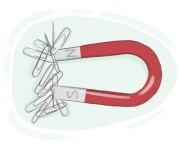
an object that produces an invisible field capable of attracting certain metals without physical contact

imán

imán

Ex: My book report is on the man who first figured out how to use magnets to help ships navigate the ocean long ago. 

Mi informe de libro trata sobre el hombre que primero descubrió cómo usar imanes para ayudar a los barcos a navegar por el océano hace mucho tiempo.

thermal
thermal
[Adjetivo]

related to heat or temperature, including how heat moves, how materials expand with temperature changes, and the energy stored in heat

térmico

térmico

Ex: The thermal conductivity of copper makes it ideal for cooking pots. 

Durante la caminata, sentí los rayos térmicos del sol calentando mi piel.

to compress

to press two things together or be pressed together to become smaller

comprimir

comprimir

Ex: She compressed her fingers together to form a tight grip on the handle. 

Ella comprimió sus dedos juntos para formar un agarre firme en el mango.
generator
generator
[Sustantivo]

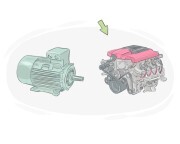
a machine that produces electricity by converting mechanical energy into electrical energy

generador

generador

Ex: Diesel generators are commonly used as backup power sources in case of electrical grid failures. 

Los generadores diésel se utilizan comúnmente como fuentes de energía de respaldo en caso de fallas en la red eléctrica.
to evaporate

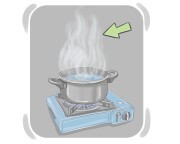
to become gas or vapor from liquid

evaporarse

evaporarse

Ex: The spilled coffee has evaporated, leaving a stain. 

El café derramado se ha evaporado, dejando una mancha.

vacuum
vacuum
[Sustantivo]

a space that is utterly empty of all matter

vacío

vacío

Ex: The vacuum inside a cathode-ray tube allows electrons to travel from the cathode to the anode without encountering air molecules, facilitating the display of images. 

El vacío dentro de un tubo de rayos catódicos permite que los electrones viajen desde el cátodo hasta el ánodo sin encontrarse con moléculas de aire, facilitando la visualización de imágenes.
infinite
infinite
[Adjetivo]

without end or limits in extent, amount, or space

infinito

infinito

Ex: Space is often described as infinite, with no boundaries or limits to its vastness. 

El espacio a menudo se describe como infinito, sin fronteras ni límites a su vastedad.

residue
residue
[Sustantivo]

a small remaining amount or part of a thing after it has been taken, used, etc.

residuo

residuo

Ex: Despite thorough washing, a residue of coffee stains remained on the bottom of the mug. 

A pesar de un lavado exhaustivo, un residuo de manchas de café permaneció en el fondo de la taza.

LanGeek
Descargar la aplicación LanGeek