pattern

Cambridge IELTS 18 - Académico - Prueba 4 - Lectura - Pasaje 2 (2)

Learn vocabulary from the second part of Cambridge IELTS 18 Academic, Test 4 Reading Passage 2, with useful words and expressions from the text.

Revisión

Tarjetas de memoria

formas

Ortografía

Cuestionario

Empezar a aprender
Cambridge IELTS 18 - Academic
accordingly
accordingly
[Adverbio]

in a manner that is appropriate to the circumstances

en consecuencia

en consecuencia

Ex: The report highlighted areas for improvement, and the team acted accordingly to address them. 
to misapply

apply to a wrong thing or person; apply badly or incorrectly

aplicar mal, aplicar incorrectamente

aplicar mal, aplicar incorrectamente

range
range
[Sustantivo]

a variety of things that are different but are of the same general type

rango

rango

Ex: The restaurant's menu features a range of dishes from different cuisines around the world. 

El menú del restaurante presenta una gama de platos de diferentes cocinas alrededor del mundo.

to express
to express
[Verbo]

to show or make a thought, feeling, etc. known by looks, words, or actions

expresar
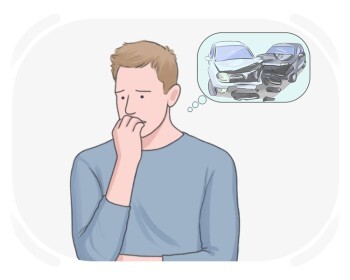
expresar

Ex: Last night, they expressed their joy with cheers and applause. 

Anoche, expresaron su alegría con vítores y aplausos.

concern
concern
[Sustantivo]

a feeling of being uneasy, troubled, or worried about something such as problem, threat, uncertainty, etc.

preocupación

preocupación

Ex: Despite their outward confidence, a flicker of concern betrayed their true feelings. 

A pesar de su confianza exterior, un destello de preocupación traicionó sus verdaderos sentimientos.

to misappropriate

appropriate (as property entrusted to one's care) fraudulently to one's own use

malversar, apropiarse indebidamente

malversar, apropiarse indebidamente

to conflate

to bring ideas, texts, things, etc. together and create something new

combinar

combinar

Ex: The artist's latest work conflates traditional and modern styles to produce an innovative piece. 

La última obra del artista combina estilos tradicionales y modernos para producir una pieza innovadora.

movement
movement
[Sustantivo]

a collective of individuals united by shared beliefs or ideology, working toward general social, political, or cultural goals

movimiento

movimiento

Ex: The movement encourages community activism. 

El movimiento fomenta el activismo comunitario.

vehicle
vehicle
[Sustantivo]

a means or tool used to express or achieve something

vehículo, medio

vehículo, medio

Ex: The new advertising campaign became a vehicle for the company's brand message. 

La nueva campaña publicitaria se convirtió en un vehículo para el mensaje de marca de la empresa.

to reflect
to reflect
[Verbo]

to show a particular quality, characteristic, or emotion

reflejar, mostrar

reflejar, mostrar

Ex: Their music reflects the traditions of their culture. 

Su música refleja las tradiciones de su cultura.

to deliver
to deliver
[Verbo]

to convey a speech, idea, etc. to an audience in a clear and effective manner

pronunciar, entregar

pronunciar, entregar

Ex: She delivered a powerful presentation on climate change, urging the audience to take action. 

Ella pronunció una presentación poderosa sobre el cambio climático, instando a la audiencia a tomar medidas.

subtle
subtle
[Adjetivo]

difficult to notice or detect because of its slight or delicate nature

suave

suave

Ex: The fragrance was subtle, hinting at notes of jasmine and sandalwood without overpowering the senses. 

La fragancia era sutil, insinuando notas de jazmín y sándalo sin abrumar los sentidos.
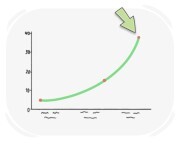
to maximize

to increase something to the highest possible level

maximizar

maximizar

Ex: The changes implemented have maximized the software's performance. 

Los cambios implementados han maximizado el rendimiento del software.

effectiveness
effectiveness
[Sustantivo]

the quality of yielding the desired result

eficacia, efectividad

eficacia, efectividad

Ex: The medication's effectiveness in treating the disease was confirmed through extensive clinical trials. 

La eficacia del medicamento en el tratamiento de la enfermedad fue confirmada a través de extensos ensayos clínicos.

adolescent
adolescent
[Sustantivo]

a young person who is in the process of becoming an adult

adolescente

adolescente

Ex: The film was focused on the challenges faced by an adolescent. 

La película se centró en los desafíos que enfrenta un adolescente.

to perceive

to become aware or conscious of something

percibir

percibir

Ex: Through the artist's work, many perceived a deeper message about society's values. 

A través del trabajo del artista, muchos percibieron un mensaje más profundo sobre los valores de la sociedad.

to convey
to convey
[Verbo]

to communicate or portray a particular feeling, idea, impression, etc.

expresar

expresar

Ex: While speaking, he was continuously conveying his passion for the subject. 

Mientras hablaba, transmitía continuamente su pasión por el tema.

to undo
to undo
[Verbo]

to make null or cancel the effects of something

deshacer

deshacer

Ex: She had to undo the changes in the document. 

Ella tuvo que deshacer los cambios en el documento.

intended
intended
[Adjetivo]

planned, desired, or aimed for as a specific goal or objective

deseado

deseado

Ex: The email was sent to the intended recipient with important instructions for the upcoming meeting. 
to drive
to drive
[Verbo]

to be the influencing factor that causes something to make progress

impulsar, conducir

impulsar, conducir

Ex: The desire for sustainability is driving changes in consumer behavior. 

El deseo de sostenibilidad impulsa cambios en el comportamiento del consumidor.

correlation
correlation
[Sustantivo]

a mutual relationship between things, where one tends to influence the other

correlación

correlación

Ex: The study found a correlation between urban green spaces and lower stress levels. 

El estudio encontró una correlación entre los espacios verdes urbanos y niveles de estrés más bajos.

perception
perception
[Sustantivo]

the image or idea that is formed based on how one understands something

imagen

imagen

Ex: His perception of the situation was affected by previous experiences. 

Su percepción de la situación se vio afectada por experiencias previas.

genuine
genuine
[Adjetivo]

truly what something appears to be, without any falseness, imitation, or deception

auténtico, genuino

auténtico, genuino

Ex: The antique coin was deemed genuine by numismatic experts, with no signs of counterfeiting. 

La moneda antigua fue considerada auténtica por los expertos numismáticos, sin signos de falsificación.

to motivate

to make someone want to do something by giving them a reason or encouragement

motivar, alentar

motivar, alentar

Ex: The inspiring story of success served to motivate aspiring entrepreneurs. 

La historia inspiradora de éxito sirvió para motivar a los aspirantes a empresarios.

vague
vague
[Adjetivo]

not clear or specific, lacking in detail or precision

vago

vago

Ex: The job posting was vague, providing little information about the responsibilities and requirements. 

El anuncio de trabajo era vago, proporcionando poca información sobre las responsabilidades y los requisitos.

proponent
proponent
[Sustantivo]

a supporter who usually speaks publicly in favor of a theory, idea, or plan

proponente
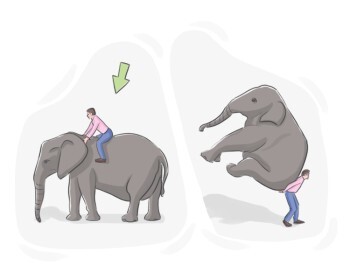
proponente

viable
viable
[Adjetivo]

having the ability to be executed or done successfully

viable

viable

Ex: Switching to renewable energy sources is a viable solution to combat climate change. 

Cambiar a fuentes de energía renovable es una solución viable para combatir el cambio climático.

construct
construct
[Sustantivo]

an abstract idea or concept formed by generalizing from particular instances

construcción, concepto

construcción, concepto

Ex: Scientists studied the construct of intelligence. 

Los científicos estudiaron el constructo de la inteligencia.

laboratory
laboratory
[Sustantivo]

a region resembling a laboratory inasmuch as it offers opportunities for observation and practice and experimentation

laboratorio, taller experimental

laboratorio, taller experimental

to administer

to allocate, assign, or dispense something

administrar, distribuir

administrar, distribuir

Ex: The principal had to administer punishment for the students who broke the rules. 

El director tuvo que administrar castigo a los estudiantes que rompieron las reglas.

targeted
targeted
[Adjetivo]

focused or directed toward a specific goal, objective, or audience

dirigido, enfocado

dirigido, enfocado

Ex: The training program offers targeted exercises to address weaknesses and improve performance. 

El programa de entrenamiento ofrece ejercicios dirigidos para abordar las debilidades y mejorar el rendimiento.

to dispute
to dispute
[Verbo]

to doubt a fact or to call its truth into question

debatir

debatir

Ex: The historians disputed the authenticity of the ancient artifact, suspecting it was a forgery. 

Los historiadores disputaron la autenticidad del artefacto antiguo, sospechando que era una falsificación.

faith
faith
[Sustantivo]

complete confidence in a person or plan etc

fe, confianza

fe, confianza

capacity
capacity
[Sustantivo]

the ability or power to achieve something or develop into a certain state in the future

capacidad

capacidad

Ex: Her artistic capacity was evident in the intricate sculptures she created as a child. 

Su capacidad artística era evidente en las intrincadas esculturas que creó de niña.

attribute
attribute
[Sustantivo]

a distinguishing quality that is considered a key part of someone or something's nature

atributo, cualidad
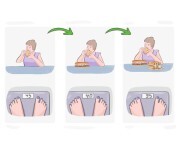
atributo, cualidad

Ex: Creativity is often considered an essential attribute of successful artists. 

La creatividad a menudo se considera un atributo esencial de los artistas exitosos.

paradoxically
paradoxically
[Adverbio]

in a way that seems opposite to what one would expect

paradójicamente, de manera paradójica

paradójicamente, de manera paradójica

Ex: His decision to work fewer hours paradoxically resulted in increased productivity. 

Su decisión de trabajar menos horas paradójicamente resultó en un aumento de la productividad.

to serve
to serve
[Verbo]

to be of use or help in fulfilling or accomplishing something

servir, ser útil

servir, ser útil

Ex: These experiments serve no useful purpose. 

Estos experimentos no sirven para ningún propósito útil.

talk
talk
[Sustantivo]

a lecture or speech given to an audience on a specific subject

discurso

discurso

Ex: He delivered a talk at the conference on innovation in technology. 

Pronunció una charla en la conferencia sobre innovación en tecnología.

waste of time
waste of time
[Sustantivo]

an activity or situation that does not produce any benefit or value, and instead consumes time and resources that could be better utilized elsewhere

pérdida de tiempo

pérdida de tiempo

Ex: She considered going back to the old house a waste of time, as it was already sold. 

Ella consideró que volver a la antigua casa era una pérdida de tiempo, ya que ya estaba vendida.

essay
essay
[Sustantivo]

a piece of writing that briefly analyzes or discusses a specific subject

ensayo

ensayo

Ex: The professor assigned a 1000-word essay on Shakespeare's sonnets. 

El profesor asignó un ensayo de 1000 palabras sobre los sonetos de Shakespeare.

indeed
indeed
[Adverbio]

used to emphasize or confirm a statement

ciertamente, de verdad

ciertamente, de verdad

Ex: The rumors about the new product launch were, indeed, accurate. 

Los rumores sobre el lanzamiento del nuevo producto eran, efectivamente, precisos.
perhaps
perhaps
[Adverbio]

used to express possibility or likelihood of something

probablemente

probablemente

Ex: She will perhaps consider the job offer, but she's exploring other options. 

Ella quizás considere la oferta de trabajo, pero está explorando otras opciones.

to shift
to shift
[Verbo]

(of a policy, point of view, or situation) to become something different

cambiar

cambiar

Ex: The economic climate shifted dramatically, forcing businesses to reconsider their operational models. 

El clima económico cambió drásticamente, obligando a las empresas a reconsiderar sus modelos operativos.

to turn away

to move away from one's area of interest or original path

desviar, alejarse

desviar, alejarse

Ex: After years of pursuing a career in finance, she felt the need to turn away and follow her passion for environmental activism. 

Después de años de perseguir una carrera en finanzas, sintió la necesidad de alejarse y seguir su pasión por el activismo ambiental.

potential
potential
[Sustantivo]

the inherent capability or ability to develop, achieve, or succeed in the future

potencial, capacidad

potencial, capacidad

Ex: The company recognized the potential of the new market and decided to expand its operations. 

La empresa reconoció el potencial del nuevo mercado y decidió expandir sus operaciones.

to tend
to tend
[Verbo]

to be likely to develop or occur in a certain way because that is the usual pattern

tender a

tender a

Ex: Historical patterns suggest that economic downturns tend to lead to increased unemployment. 

Los patrones históricos sugieren que las recesiones económicas tienden a provocar un aumento del desempleo.

competitive
competitive
[Adjetivo]

having a strong desire to win or succeed

competitivo, ambicioso

competitivo, ambicioso

Ex: Despite the friendly atmosphere, the competitive gamer was determined to emerge victorious in every match. 

A pesar del ambiente amistoso, el jugador competitivo estaba decidido a salir victorioso en cada partido.

generally
generally
[Adverbio]

in a way that is true in most cases

generalmente

generalmente

Ex: She's generally punctual, though today she's late. 

Ella es generalmente puntual, aunque hoy está tarde.

encouragement
encouragement
[Sustantivo]

something that is told or given to someone in order to give them hope or provide support

ánimo, aliento

ánimo, aliento

Ex: The coach's encouragement boosted the team's morale. 

El ánimo del entrenador elevó la moral del equipo.

to push
to push
[Verbo]

to encourage or influence someone, or oneself, to work harder

empujar, animar

empujar, animar

Ex: She encourages her team to take risks, but she doesn't push them too far. 

Ella anima a su equipo a tomar riesgos, pero no los presiona demasiado.

nota bene
nota bene
[Sustantivo]

a Latin phrase (or its abbreviation) used to indicate that special attention should be paid to something

nota bene, nótese bien

nota bene, nótese bien

methodology
methodology
[Sustantivo]

a series of methods by which a certain subject is studied or a particular activity is done

metodología

metodología

Ex: The methodology section of the report detailed the steps taken to analyze the findings. 

La sección de metodología del informe detalló los pasos tomados para analizar los hallazgos.

to interpret

to understand or assign meaning to something

interpretar, entender

interpretar, entender

Ex: Interpreting facial expressions helps people understand emotions in non-verbal communication. 

Interpretar las expresiones faciales ayuda a las personas a entender las emociones en la comunicación no verbal.

to promote
to promote
[Verbo]

to help or support the progress or development of something

apoyer
apoyer

Ex: The government launched a campaign to promote environmental conservation and sustainability. 

El gobierno lanzó una campaña para promover la conservación del medio ambiente y la sostenibilidad.

aware
aware
[Adjetivo]

having an understanding or perception of something, often through careful thought or sensitivity

concienciado

concienciado

Ex: He wasn't aware of the consequences of his actions until it was too late. 

No estaba consciente de las consecuencias de sus acciones hasta que fue demasiado tarde.

to boost
to boost
[Verbo]

to increase or enhance the amount, level, or intensity of something

aumentar

aumentar

Ex: Adding fertilizer to the soil can boost the growth of plants and flowers. 

Añadir fertilizante al suelo puede aumentar el crecimiento de las plantas y las flores.

morale
morale
[Sustantivo]

one's personal level of confidence, enthusiasm, and emotional well-being, especially in the context of facing challenges or adversity

moral

moral

Ex: Emily's low morale following the failure of her project hindered her ability to focus and achieve her goals. 

El bajo ánimo de Emily tras el fracaso de su proyecto dificultó su capacidad para concentrarse y alcanzar sus metas.

admirable
admirable
[Adjetivo]

deserving of praise and respect due to excellent standards and positive attributes

admirable

admirable

Ex: The athlete’s admirable perseverance in training and competing despite numerous injuries inspired many fans. 

La admirable perseverancia del atleta en el entrenamiento y la competición a pesar de numerosas lesiones inspiró a muchos aficionados.

driver
driver
[Sustantivo]

a factor, force, or influence that initiates or causes a particular action, process, or change

factor, motor

factor, motor

Ex: Climate change is a significant driver of extreme weather events. 

El cambio climático es un factor importante de los eventos meteorológicos extremos.

deliberate
deliberate
[Adjetivo]

done on purpose

deliberado

deliberado

Ex: Her deliberate actions showed careful consideration of the consequences. 

Sus acciones deliberadas mostraron una consideración cuidadosa de las consecuencias.

to strive
to strive
[Verbo]

to try as hard as possible to achieve a goal

esforzarse, luchar

esforzarse, luchar

Ex: Students strive to achieve their career goals through continuous learning. 

Los estudiantes se esfuerzan por alcanzar sus metas profesionales a través del aprendizaje continuo.

credit
credit
[Sustantivo]

formal approval, acknowledgment, or commendation

reconocimiento, mérito

reconocimiento, mérito

Ex: He earned credit from his supervisor for his diligence. 

Ganó crédito de su supervisor por su diligencia.

to respond
to respond
[Verbo]

to show improvement or favorable reactions in response to a specific action or intervention

responder, reaccionar

responder, reaccionar

Ex: The athlete responded to the coach's advice by implementing changes in their technique. 

El atleta respondió a los consejos del entrenador implementando cambios en su técnica.

to adapt
to adapt
[Verbo]

to change something in a way that suits a new purpose or situation better

adaptar

adaptar

Ex: To accommodate new technologies, the software developer will adapt the application. 

Para acomodar nuevas tecnologías, el desarrollador de software adaptará la aplicación.

elixir
elixir
[Sustantivo]

something that is believed to be a perfect solution to a problem, often in an unrealistic or overly hopeful way

elixir, panacea

elixir, panacea

Ex: The strategy was not the elixir its supporters had promised. 

La estrategia no fue el elixir que sus partidarios habían prometido.

deluded
deluded
[Adjetivo]

believing something that is not true, often because of being misled or refusing to accept reality

engañado, ilusorio

engañado, ilusorio

Ex: His deluded view of the situation made it worse. 

Su visión engañada de la situación empeoró las cosas.

LanGeek
Descargar la aplicación LanGeek