pattern

Cambridge IELTS 18 - Academic - Test 4 - Reading - Passage 2 (2)

Here you can find the vocabulary from Test 4 - Reading - Passage 2 (2) in the Cambridge IELTS 18 - Academic coursebook, to help you prepare for your IELTS exam.

Review

Flashcards

Forms

Spelling

Quiz

Start learning
Cambridge IELTS 18 - Academic
accordingly
accordingly
[Adverb]

in a manner that is appropriate to the circumstances

Ex: The weather forecast predicted rain, so she dressed accordingly with a raincoat and boots. 
Close
Sign in
to misapply

apply to a wrong thing or person; apply badly or incorrectly

Close
Sign in
range
range
[noun]

a variety of things that are different but are of the same general type

Ex: The store offers a wide range of electronics, from smartphones to laptops. 
Close
Sign in
to express

to show or make a thought, feeling, etc. known by looks, words, or actions
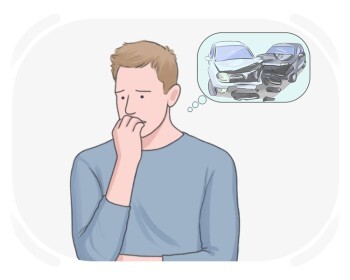
Ex: The artist expresses emotions through vibrant colors in her paintings. 
Close
Sign in
concern
concern
[noun]

a feeling of being uneasy, troubled, or worried about something such as problem, threat, uncertainty, etc.

Ex: Her voice trembled with concern as she asked about his recent accident. 
Close
Sign in
to misappropriate

appropriate (as property entrusted to one's care) fraudulently to one's own use

Close
Sign in
to conflate

to bring ideas, texts, things, etc. together and create something new

Ex: The writer decided to conflate elements from different myths to create a unique fantasy novel. 
Close
Sign in
movement
movement
[noun]

a collective of individuals united by shared beliefs or ideology, working toward general social, political, or cultural goals

Ex: The feminist movement advocates for women's rights. 
Close
Sign in
vehicle
vehicle
[noun]

a means or tool used to express or achieve something

Ex: The documentary served as a vehicle for raising awareness about climate change. 
Close
Sign in
to reflect

to show a particular quality, characteristic, or emotion

Ex: His speech reflected the concerns of the community. 
Close
Sign in
to deliver

to convey a speech, idea, etc. to an audience in a clear and effective manner

Ex: The keynote speaker delivered an inspiring address at the conference, motivating everyone in the audience. 
Close
Sign in
subtle
subtle
[Adjective]

difficult to notice or detect because of its slight or delicate nature
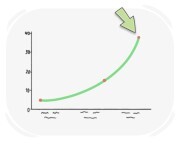
Ex: The artist used subtle brushstrokes to create a sense of depth and movement in the painting. 
Close
Sign in
to maximize

to increase something to the highest possible level

Ex: She always tries to maximize her productivity by planning her tasks efficiently. 
Close
Sign in
effectiveness

the quality of yielding the desired result
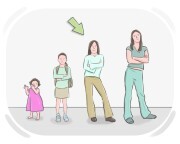
Ex: The effectiveness of the new marketing campaign was evident in the significant increase in sales. 
Close
Sign in
adolescent

a young person who is in the process of becoming an adult

Ex: The adolescent struggled to fit in with their peers. 
Close
Sign in
to perceive

to become aware or conscious of something

Ex: He didn't initially understand the implications, but soon perceived the gravity of the decision. 
Close
Sign in
to convey
to convey
[Verb]

to communicate or portray a particular feeling, idea, impression, etc.

Ex: This memorial statue aims to convey a message of hope for future generations. 
Close
Sign in
to undo
to undo
[Verb]

to make null or cancel the effects of something

Ex: Realizing the mistake, he quickly tried to undo the accidental deletion of the important file from his computer. 
Close
Sign in
intended
intended
[Adjective]

planned, desired, or aimed for as a specific goal or objective

Ex: The intended outcome of the project was to increase efficiency and reduce costs for the company. 
Close
Sign in
to drive
to drive
[Verb]

to be the influencing factor that causes something to make progress

Ex: Healthcare reforms are expected to drive improvements in patient care. 
Close
Sign in
correlation

a mutual relationship between things, where one tends to influence the other

Ex: The correlation between screen time and attention span is still debated. 
Close
Sign in
perception

the image or idea that is formed based on how one understands something

Ex: Her perception of the artwork changed after learning about the artist's background. 
Close
Sign in
genuine
genuine
[Adjective]

truly what something appears to be, without any falseness, imitation, or deception

Ex: The diamond ring was confirmed to be genuine, with authentic gemstones and precious metals. 
Close
Sign in
to motivate

to make someone want to do something by giving them a reason or encouragement
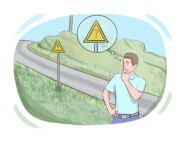
Ex: The coach's pep talk was meant to motivate the team before the championship game. 
Close
Sign in
vague
vague
[Adjective]

not clear or specific, lacking in detail or precision
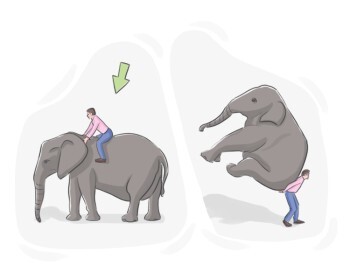
Ex: The instructions given were vague, leaving room for interpretation. 
Close
Sign in
proponent
proponent
[noun]

a supporter who usually speaks publicly in favor of a theory, idea, or plan

Close
Sign in
viable
viable
[Adjective]

having the ability to be executed or done successfully

Ex: Starting a small business seems viable given the current market conditions. 
Close
Sign in
construct
construct
[noun]

an abstract idea or concept formed by generalizing from particular instances

Ex: The notion of justice is a social construct. 
Close
Sign in
laboratory

a region resembling a laboratory inasmuch as it offers opportunities for observation and practice and experimentation

Close
Sign in
to administer

to allocate, assign, or dispense something
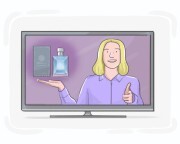
Ex: The court administered justice by delivering a fair verdict. 
Close
Sign in
targeted
targeted
[Adjective]

focused or directed toward a specific goal, objective, or audience

Ex: The company launched a targeted advertising campaign to reach potential customers in specific demographics. 
Close
Sign in
to dispute

to doubt a fact or to call its truth into question
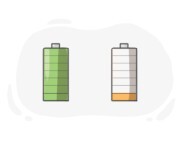
Ex: He disputed the accuracy of the witness's testimony, claiming it was unreliable. 
Close
Sign in
faith
faith
[noun]

complete confidence in a person or plan etc

Close
Sign in
capacity
capacity
[noun]

the ability or power to achieve something or develop into a certain state in the future

Ex: With the right training, he has the capacity to become a world-class athlete. 
Close
Sign in
attribute
attribute
[noun]

a distinguishing quality that is considered a key part of someone or something's nature
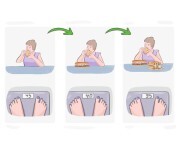
Ex: Patience is an important attribute of a good teacher. 
Close
Sign in
paradoxically

in a way that seems opposite to what one would expect

Ex: The artist's abstract paintings, paradoxically, conveyed a profound sense of order and chaos simultaneously. 
Close
Sign in
to serve
to serve
[Verb]

to be of use or help in fulfilling or accomplishing something

Ex: A large cardboard box will serve the purpose. 
Close
Sign in
talk
talk
[noun]

a lecture or speech given to an audience on a specific subject

Ex: The professor gave a talk on climate change. 
Close
Sign in
waste of time

an activity or situation that does not produce any benefit or value, and instead consumes time and resources that could be better utilized elsewhere

Ex: He realized that arguing over the small details was a waste of time. 
Close
Sign in
essay
essay
[noun]

a piece of writing that briefly analyzes or discusses a specific subject

Ex: She wrote an essay about climate change for her biology class. 
Close
Sign in
indeed
indeed
[Adverb]

used to emphasize or confirm a statement
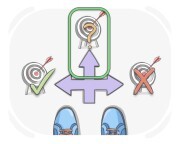
Ex: She did indeed finish the project ahead of schedule. 
Close
Sign in
perhaps
perhaps
[Adverb]

used to express possibility or likelihood of something

Ex: He is late, perhaps he missed the bus. 
Close
Sign in
to shift
to shift
[Verb]

(of a policy, point of view, or situation) to become something different

Ex: Over the years, public opinion on the issue of climate change has gradually shifted. 
Close
Sign in
to turn away

to move away from one's area of interest or original path

Ex: Faced with resistance, the manager decided to turn away from the original plan and consider alternative solutions. 
Close
Sign in
potential
potential
[noun]

the inherent capability or ability to develop, achieve, or succeed in the future

Ex: The young athlete showed great potential to become a world-class competitor. 
Close
Sign in
to tend
to tend
[Verb]

to be likely to develop or occur in a certain way because that is the usual pattern
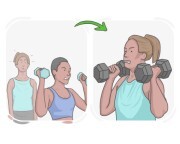
Ex: Some plants tend to thrive in direct sunlight, while others prefer shade. 
Close
Sign in
competitive
competitive
[Adjective]

having a strong desire to win or succeed
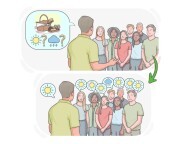
Ex: The competitive athlete trained tirelessly to improve their performance and surpass their opponents. 
Close
Sign in
generally
generally
[Adverb]

in a way that is true in most cases

Ex: The weather is generally mild in spring. 
Close
Sign in
encouragement

something that is told or given to someone in order to give them hope or provide support

Ex: The teacher's encouragement motivated the students to do their best. 
Close
Sign in
to push
to push
[Verb]

to encourage or influence someone, or oneself, to work harder

Ex: He tends to push his employees a little too much. 
Close
Sign in
nota bene
nota bene
[noun]

a Latin phrase (or its abbreviation) used to indicate that special attention should be paid to something

Close
Sign in
methodology

a series of methods by which a certain subject is studied or a particular activity is done

Ex: The researcher described the methodology used to gather data for the study. 
Close
Sign in
to interpret

to understand or assign meaning to something

Ex: Psychologists interpret dreams to gain insights into a person's subconscious thoughts. 
Close
Sign in
to promote

to help or support the progress or development of something
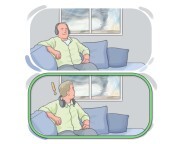
Ex: The manager worked to promote teamwork and collaboration within the team. 
Close
Sign in
aware
aware
[Adjective]

having an understanding or perception of something, often through careful thought or sensitivity
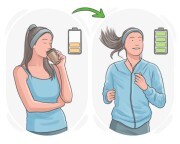
Ex: She became aware of the time when she heard the clock chiming. 
Close
Sign in
to boost
to boost
[Verb]

to increase or enhance the amount, level, or intensity of something

Ex: Drinking a cup of coffee in the morning can boost your energy levels. 
Close
Sign in
morale
morale
[noun]

one's personal level of confidence, enthusiasm, and emotional well-being, especially in the context of facing challenges or adversity

Ex: Despite facing setbacks, Sarah's high morale propelled her to persist in her endeavors with determination and optimism. 
Close
Sign in
admirable
admirable
[Adjective]

deserving of praise and respect due to excellent standards and positive attributes

Ex: His admirable honesty and integrity made him a trusted leader in the company. 
Close
Sign in
driver
driver
[noun]

a factor, force, or influence that initiates or causes a particular action, process, or change
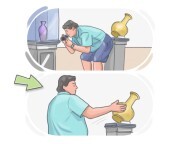
Ex: Economic growth is often seen as a key driver of job creation. 
Close
Sign in
deliberate
deliberate
[Adjective]

done on purpose

Ex: His deliberate choice of words conveyed a sense of seriousness. 
Close
Sign in
to strive
to strive
[Verb]

to try as hard as possible to achieve a goal

Ex: Despite facing obstacles, she strives to excel in her academic pursuits. 
Close
Sign in
credit
credit
[noun]

formal approval, acknowledgment, or commendation

Ex: She received credit for her innovative idea. 
Close
Sign in
to respond

to show improvement or favorable reactions in response to a specific action or intervention

Ex: The patient responded well to the medication, with symptoms gradually diminishing. 
Close
Sign in
to adapt
to adapt
[Verb]

to change something in a way that suits a new purpose or situation better

Ex: The company had to adapt its marketing strategy to reach a global audience. 
Close
Sign in
elixir
elixir
[noun]

something that is believed to be a perfect solution to a problem, often in an unrealistic or overly hopeful way

Ex: There is no single elixir for solving all education problems. 
Close
Sign in
deluded
deluded
[Adjective]

believing something that is not true, often because of being misled or refusing to accept reality

Ex: His deluded belief in his own skills cost him the job. 
Close
Sign in
LanGeek
Download LanGeek app