pattern

Cambridge IELTS 16 - Academic - Test 2 - Reading - Passage 1 (2)

Here you can find the vocabulary from Test 2 - Reading - Passage 1 (2) in the Cambridge IELTS 16 - Academic coursebook, to help you prepare for your IELTS exam.

Review

Flashcards

Forms

Spelling

Quiz
Start learning
Cambridge IELTS 16 - Academic
neolithic
neolithic
[Adjective]

related to the latest part of the Stone Age when humans used stones as tools and weapons
Close
Sign in
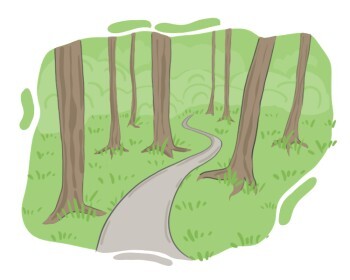
track
track
[noun]

a road or path that is rough and usually made by animals or people repeatedly walking there
Ex: He walked along the track until he reached the village. 
Close
Sign in
burial mound

(archeology) a heap of earth placed over prehistoric tombs

Close
Sign in
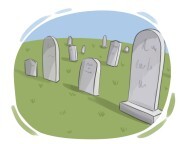
cemetery
cemetery
[noun]

an area of land where dead people are buried, usually not next to a church

Ex: They visited the cemetery to place flowers on the grave. 
Close
Sign in
carving
carving
[noun]

an object or pattern that is made by cutting solid material

Close
Sign in
to appreciate

to fully understand or recognize the qualities, significance, or worth of something

Ex: She came to appreciate his sense of humor after spending more time with him. 
Close
Sign in
nevertheless
nevertheless
[Adverb]

used to introduce an opposing statement
Ex: The plan was risky; they proceeded nevertheless. 
Close
Sign in
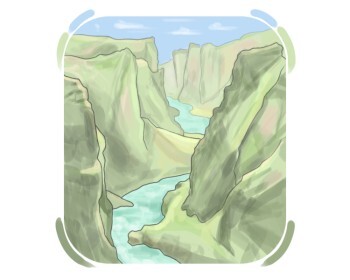
valley
valley
[noun]

a low area of land between mountains or hills, often with a river flowing through it

Ex: The sun set behind the hills, casting long shadows over the valley. 
Close
Sign in
adequate
adequate
[Adjective]

about average; acceptable

Close
Sign in
to gain
to gain
[Verb]

to reach or arrive at a specific destination or place

Ex: After hours of hiking, they finally gained the mountain peak. 
Close
Sign in
close quarters

a situation of being uncomfortably close to someone or something

Close
Sign in
Common Era
Common Era
[Adverb]

used with a date to refer to things happened or existed after the birth of Christ
Ex: The fall of the Western Roman Empire occurred around 476 CE. 
Close
Sign in
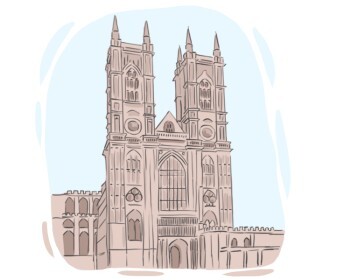
abbey
abbey
[noun]

a church with buildings connected to it in which a group of monks or nuns live or used to live

Ex: We visited the abbey during our vacation, marveling at its breathtaking architecture and tranquil surroundings. 
Close
Sign in
depiction
depiction
[noun]

a graphic or vivid verbal description

Close
Sign in
optically
optically
[Adverb]

with regard to how people see things or use light, especially with lenses or visual processes

Ex: The microscope was adjusted optically to magnify the tiny details of the specimen. 
Close
Sign in
to stimulate

to encourage or provoke a response, reaction, or activity

Ex: The interactive workshop was designed to stimulate creative thinking and problem-solving skills. 
Close
Sign in
luminescence

light from nonthermal sources

Close
Sign in
archeological
archeological
[Adjective]

related to the study or exploration of human history and prehistory through the excavation of artifacts and sites

Ex: The archeological team unearthed ancient pottery shards near the riverbank. 
Close
Sign in
unit
unit
[noun]

an individual or group or structure or other entity regarded as a structural or functional constituent of a whole
Close
Sign in
soil
soil
[noun]

the black or brownish substance consisted of organic remains, rock particles, and clay that forms the upper layer of earth where trees or other plants grow
Ex: The gardeners enriched the soil with compost to improve plant growth. 
Close
Sign in
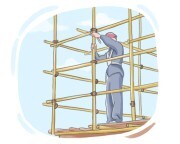
construction

the process of building or creating something, such as structures, machines, or infrastructure

Ex: The construction of the new hospital is ahead of schedule. 
Close
Sign in
in other words

used to provide an alternative or clearer way of expressing the same idea

Ex: The weather is quite pleasant today; in other words, it's a beautiful day. 
Close
Sign in
latter
latter
[Adjective]

closest to the end of a particular period of time, event, etc.

Ex: During the latter stages of the project, the team encountered unforeseen challenges. 
Close
Sign in
occupation

the state or period in which a country, city, etc. is taken control of by armed forces
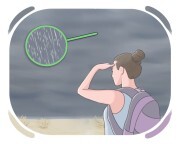
Ex: The occupation of the city by enemy forces lasted for nearly a decade, during which the local population suffered greatly. 
Close
Sign in
to indicate

to show, point out, or suggest the existence, presence, or nature of something

Ex: The thermometer indicates that the temperature is rising. 
Close
Sign in
tribal
tribal
[Adjective]

associated with a social group of people who share common ancestry, language, and traditions, and often reside in a specific geographic area

Ex: The tribal elders gathered to discuss matters of governance and tradition within the community. 
Close
Sign in
emblem
emblem
[noun]

a special design or sign that represents a nation, monarchy, etc.

Ex: The national flag featured an emblem at its center, signifying the country's heritage. 
Close
Sign in
inhabitant

a person or animal that resides in a particular place

Ex: The city has over a million inhabitants, making it one of the largest in the country. 
Close
Sign in
alternatively

as a second choice or another possibility
Ex: If you prefer not to drive, you can alternatively take the train to the city. 
Close
Sign in
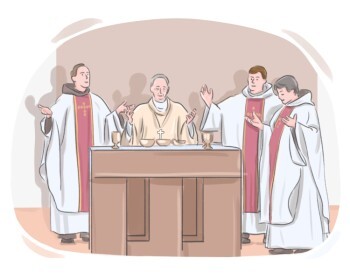
ritual
ritual
[noun]

the act of conducting a series of fixed actions, particular to a religious ceremony

Ex: The priest performed the ritual of sprinkling holy water during the baptism. 
Close
Sign in
celtic
celtic
[Adjective]

relating to or characteristic of the Celts

Close
Sign in
to worship

to respect and honor God or a deity, especially by performing rituals

Ex: During the festival, devotees gather at the temple to worship the deity with offerings of flowers, incense, and fruits. 
Close
Sign in
fertility
fertility
[noun]

the property of producing abundantly and sustaining vigorous and luxuriant growth

Close
Sign in
cult
cult
[noun]

a group of people with extreme religious views who are separate from any established religion

Ex: The authorities investigated allegations of abuse within the cult. 
Close
Sign in
significance

the state of being important or worthy of attention
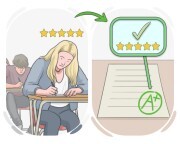
Ex: The significance of her research cannot be understated in the field of medicine. 
Close
Sign in
to attest
to attest
[Verb]

to establish the truth of something by providing evidence or testimony

Ex: His honesty and integrity attest to his trustworthiness. 
Close
Sign in
native
native
[Adjective]

related to one's place of birth

Ex: She spoke with a native accent from her hometown. 
Close
Sign in
mythology
mythology
[noun]

a collection of ancient myths, particularly one that belongs to a group of people and their history, etc.

Ex: Greek mythology includes stories of gods, goddesses, and heroes such as Zeus, Athena, and Hercules. 
Close
Sign in
gesture
gesture
[noun]

an action done to express an intention, feeling, or goodwill without necessarily using words
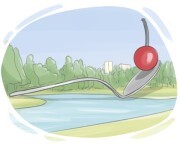
Ex: Bringing flowers was a kind gesture. 
Close
Sign in
giant
giant
[Adjective]

extremely large in size

Ex: The giant mountain range stretched across the horizon, its peaks disappearing into the clouds. 
Close
Sign in
fascinating
fascinating
[Adjective]

extremely interesting or captivating

Ex: The history of ancient civilizations is endlessly fascinating to archaeologists. 
Close
Sign in
glimpse
glimpse
[noun]

a quick or partial view of something, often fleeting or incomplete
Ex: She caught a glimpse of the sunset through the trees before it disappeared below the horizon. 
Close
Sign in
to alter
to alter
[Verb]

to cause something to change

Ex: New technologies can greatly alter the way we live and communicate. 
Close
Sign in
hillfort
hillfort
[noun]

an ancient military building built on a hill, usually surrounded by earth walls or ditches, used for protection and as a place to live

Ex: The remains of the hillfort can still be seen today. 
Close
Sign in
to tie
to tie
[Verb]

to connect or link two things together, showing a relationship or connection between them

Ex: The study ties smoking to health problems. 
Close
Sign in
LanGeek
Download LanGeek app