
Inglés de Cambridge: FCE (B2 First) - Salud y Medicina
Aprende vocabulario del FCE sobre salud y medicina, incluyendo enfermedades, síntomas, tratamiento, recuperación, atención médica, medicamentos y situaciones médicas comunes.
Revisión
Tarjetas de memoria
Ortografía
Cuestionario

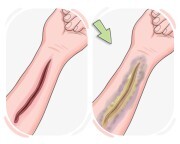
a condition in which harmful germs, such as bacteria or viruses, invade the body and cause harm, leading to symptoms such as fever, pain, and swelling

infección

a piece of cloth that is put around a wound to prevent infections
vendaje, venda
En caso de una emergencia, es importante saber cómo usar correctamente un vendaje para cubrir una herida.

a tiny living organism that can cause disease
virus, infección
El médico explicó cómo se propaga el bicho.
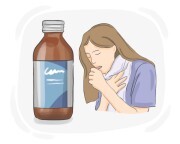
a medicine, often in a form of liquid, that one takes to relieve coughing
medicamento para la tos, antitusivo
El jarabe para la tos puede ayudar a reducir la tos por la noche.
an elastic adhesive bandage for covering cuts or wounds
elastoplasto, venda adhesiva elástica
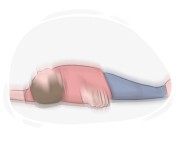
to lose consciousness for a short time, especially because of heat, pain, shock, or weakness
desmayarse, sufrir un desmayo
to cause injury to the surface of one's skin by rubbing it against something rough
rasparse, rasguñarse
Ella se rasguñó la mano en el borde afilado de la puerta de metal.
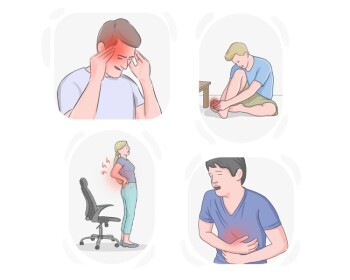
to feel pain in a part of the body
doler
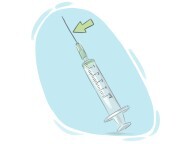
a thin hollow tube with a sharp point, used to inject substances into the body or withdraw fluids such as blood
aguja

a small medical dressing that one can stick over a wound or cut in order to keep it clean and protect it
curita, tirita
Mantén una caja de curitas en tu botiquín de primeros auxilios para emergencias.

a small red raised mark on the skin, often on the face
grano
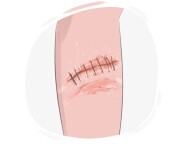
a piece of thread used by a medical professional to hold the edges of a wound together
punto, punto de sutura

medical treatment involving an operation on the body to repair, remove, or replace damaged or diseased tissue
cirugía, intervención quirúrgica

a change in the normal condition of the body of a person, which is the sign of a disease
síntoma
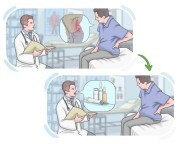
an action that is done to relieve pain or cure a disease, wound, etc.
tratamiento
