
Cambridge English: FCE (B2 First) - Zdrowie i Medycyna
Naucz się słownictwa FCE dotyczącego zdrowia i medycyny, w tym chorób, objawów, leczenia, rekonwalescencji, opieki zdrowotnej, leków i typowych sytuacji medycznych.
Przegląd
Fiszki
Pisownia
Test
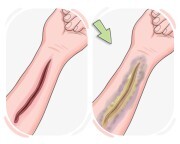
a condition in which harmful germs, such as bacteria or viruses, invade the body and cause harm, leading to symptoms such as fever, pain, and swelling

infekcja

a piece of cloth that is put around a wound to prevent infections
bandaż, opatrunek
Zawsze miał w samochodzie apteczkę pierwszej pomocy z dodatkowymi bandażami na wszelkie drobne urazy podczas wędrówek.

a tiny living organism that can cause disease
mikrob, mikroorganizm
Mycie rąk zapobiega przenoszeniu zarazków.
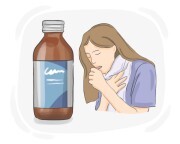
a medicine, often in a form of liquid, that one takes to relieve coughing
syrop na kaszel, lek na kaszel
Dała swojemu dziecku dawkę syropu na kaszel przed snem.
an elastic adhesive bandage for covering cuts or wounds
elastoplast, elastyczny bandaż samoprzylepny
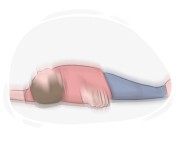
to lose consciousness for a short time, especially because of heat, pain, shock, or weakness
zemdleć
to cause injury to the surface of one's skin by rubbing it against something rough
zdrapać, otrzeć
Ona zdarła skórę na goleniu o róg stołu.
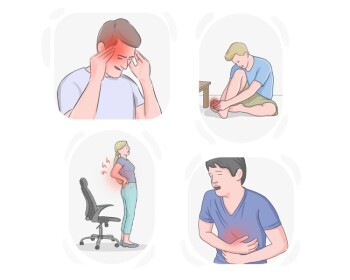
to feel pain in a part of the body
boleć, ranić
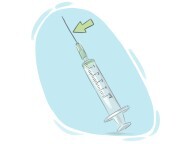
a thin hollow tube with a sharp point, used to inject substances into the body or withdraw fluids such as blood
igła, igła do wstrzyknięć

a small medical dressing that one can stick over a wound or cut in order to keep it clean and protect it
plaster, opatrunek

a small red raised mark on the skin, often on the face
krosta, plamka
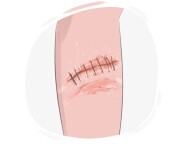
a piece of thread used by a medical professional to hold the edges of a wound together
szew, ścieg

medical treatment involving an operation on the body to repair, remove, or replace damaged or diseased tissue
chirurgia, operacja

a change in the normal condition of the body of a person, which is the sign of a disease
objaw
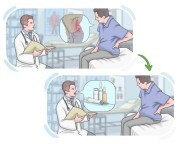
an action that is done to relieve pain or cure a disease, wound, etc.
leczenie
