
Listahan ng mga Salita sa Antas B2 - Kalawakang Panlabas
Dito matututo ka ng ilang salitang Ingles tungkol sa kalawakan, tulad ng "alien", "universe", "asteroid", atbp., inihanda para sa mga mag-aaral ng antas B2.
Repasuhin
Flashcards
Pagbaybay
Pagsusulit


a creature believed or imagined to come from a planet other than Earth

dayuhan, alien
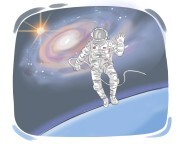
any area beyond the Earth's atmosphere
kalawakan, sansinukob

the space outside the earth's atmosphere
kalawakang panlabas, kalawakang sansinukob
Ang mga satellite sa kalawakan ay tumutulong sa komunikasyon, pagsubaybay sa panahon, at pananaliksik sa siyensiya sa pamamagitan ng pag-orbit sa Earth at iba pang celestial bodies.
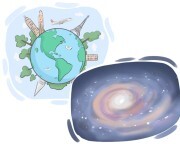
all existing matter, energy, space, stars, planets, galaxies, and everything else that physically exists
sansinukob, uniberso
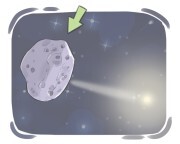
any of the rocky bodies orbiting the sun, ranging greatly in diameter, also found in large numbers between Jupiter and Mars
asteroid, batong celestial na katawan
Pinag-aaralan ng mga siyentipiko ang asteroid upang matuto tungkol sa maagang solar system at mga potensyal na banta sa Earth.

a place in the space with such high gravity that pulls in everything, even light
itim na butas, black hole
Ang black hole ay nabubuo mula sa mga labi ng malalaking bituin na tapos na sa kanilang mga siklo ng buhay at nagbagsak sa ilalim ng kanilang sariling gravity.

a large number of star systems bound together by gravitational force
galaksiya
Ang mga galaxy ay maaaring mag-iba sa hugis at laki, na may mga uri kabilang ang spiral, elliptical, at irregular na mga galaxy, bawat isa ay may natatanging mga istruktura at katangian.
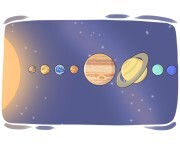
the sun and the group of planets orbiting around it, including the earth
sistemang solar, ang sistemang solar
Ang Earth ay isa sa walong planeta sa solar system.
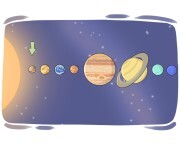
the 1st and smallest planet in the solar system which is the closest to the sun
Mercury

the 2nd planet of the solar system located between Mercury and earth
Venus, ang planeta Venus
Venus ay umiikot sa kabaligtaran na direksyon karamihan sa mga planeta, isang penomenong kilala bilang retrograde rotation, na ang araw nito ay mas mahaba kaysa sa taon nito.

the 4th planet of the solar system located between earth and Jupiter
Mars
Ang polar ice caps sa Mars ay binubuo ng frozen na tubig at carbon dioxide, na nagbabago ayon sa mga panahon ng planeta.
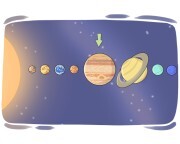
the 5th and the largest planet of the solar system located between Mars and Saturn
Ang Jupiter ang ikalimang planeta sa solar system at ang pinakamalaki, na matatagpuan sa pagitan ng Mars at Saturn.
Jupiter ang ikalimang planeta mula sa araw sa solar system.
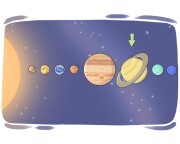
the 6th planet of the solar system located between Jupiter and Uranus, which has rings around it
Saturno, ang planeta Saturno
Ang atmospera ng Saturn ay kilala sa mga banda ng mga ulap at sistema ng bagyo nito, kasama ang Great White Spot, isang malaking bagyo na nangyayari nang paulit-ulit.
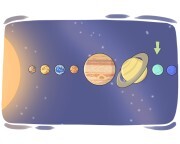
the 7th planet of the solar system with a blue-green color located between Saturn and Neptune
Uranus, ang planeta Uranus
Ang sasakyang pangkalawakan na Voyager 2 ay lumipad malapit sa Uranus noong 1986, na nagbigay ng mga unang malapitan na larawan at datos tungkol sa mga singsing at buwan nito.
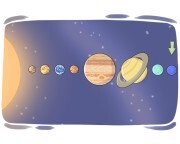
the 8th planet of the solar system with a ring of icy particles around it
Neptuno, ang planeta Neptuno
Dahil sa layo nito mula sa Araw, ang Neptune ay tumatanggap ng napakaliit na sikat ng araw, na nagiging sanhi ng labis na lamig ng temperatura sa ibabaw nito.

a branch of science that studies space, planets, etc.
astronomiya, agham ng mga bituin
Ang mga pagsulong sa astronomiya ay nagdulot ng pagkakatuklas ng mga exoplanet na umiikot sa ibang mga bituin sa ating kalawakan.

a scientist who studies or observes planets, stars, and other happenings in the universe
astronomo
Ang astronomer ay nakadiskubre ng bagong exoplanet gamit ang advanced na teknolohiya ng teleskopyo.
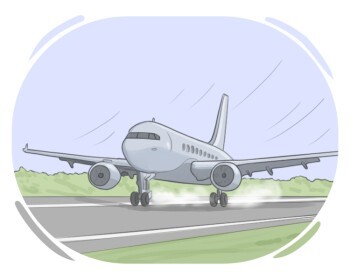
the act of bringing an aircraft or spacecraft down onto a surface
paglapag, landing

situated on or forming the outside of something
panlabas, labas

the path an object in the space follows to move around a planet, star, etc.
orbita, landas
Ang pag-unawa sa orbita ng malalayong exoplanets ay tumutulong sa mga astronomo na pag-aralan ang kanilang potensyal na pagiging matitirhan.
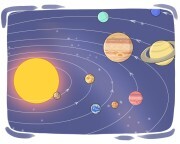
to move around a star, planet, or a large object in space
umikot, lumibot

a spacecraft that moves up by the force of the gases produced when the fuel burns
rocket
Ipinagdiwang ng space agency ang matagumpay na pagsubok ng isang prototype rocket na inilaan para sa mga hinaharap na misyon sa Mars.
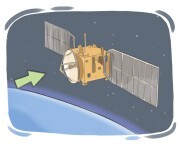
an artificial object sent into space to orbit Earth or another celestial body, usually to collect or transmit information
satelayt, artipisyal na satelayt
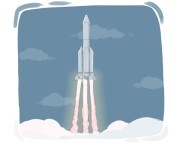
to send an object, such as a satellite, missile, etc., into space
ilunsad, magpaputok
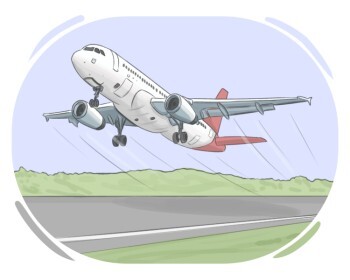
the process by which an aircraft leaves the ground and starts to fly
pag-alis
Ang pag-alis ng eroplano ay maayos, at ang mga pasahero ay agad na nasiyahan sa tanawin mula sa itaas ng mga ulap.
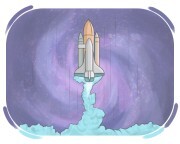
a vehicle designed to travel in space
sasakyang pangkalawakan, bapor pangkalawakan
Ang sasakyang pangkalawakan ay inilunsad upang galugarin ang Mars at mangolekta ng datos tungkol sa ibabaw at atmospera ng planeta.
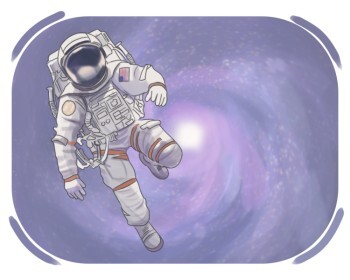
someone who travels into space, such as an astronaut
astronauta, taong pangkalawakan
Sinusundan ng pelikula ang mga pakikipagsapalaran ng isang astronaut na naggalugad sa malalayong kalawakan at nakakatagpo ng mga sibilisasyong alien.
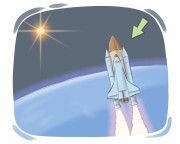
a kind of spacecraft used by astronauts to explore in space
sasakyang pangkalawakan, spaceship
Ang mga inhinyero ay nagdisenyo ng isang bagong sasakyang pangkalawakan na may advanced na propulsion system para sa interplanetary travel.
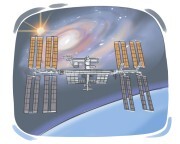
a large structure used as a long-term base for people to stay in space and conduct research
istasyon ng espasyo, base ng espasyo
Ang space station ay nagsisilbing plataporma para sa pagsubok ng mga teknolohiyang kailangan para sa hinaharap na malalim na paggalugad sa kalawakan.

clothing used by astronauts while traveling in space
kasuotang pangkalawakan, spacesuit
Sa panahon ng pagsasanay, ang mga astronaut ay nagsanay ng pagmamaniobra sa kanilang mga spacesuit upang masanay sa karagdagang bulk.

a period during which an astronaut moves outside an spacecraft in space, typically to perform repairs or experiments
lakad sa kalawakan, paglalakbay sa kalawakan
Ang mga astronaut ay nagsagawa ng spacewalk upang ayusin ang mga solar panel sa International Space Station.
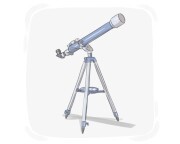
a piece of equipment by which the far objects, particularly those in space, are made clearly visible
teleskopyo, lorneta
Gumamit siya ng teleskopyo para obserbahan ang mga bituin.
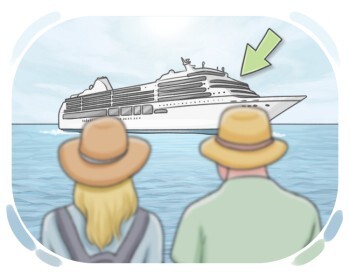
a long journey taken on a ship or spacecraft
paglalakbay, biyahe
Ang misyon sa kalawakan ay isang makasaysayang paglalakbay patungo sa International Space Station.
