
Le livre Solutions - Avancé - Unité 5 - 5A - Partie 1
Ici, vous trouverez le vocabulaire de l'Unité 5 - 5A - Partie 1 du cahier Solutions Advanced, comme 'ultimatum', 'insurrection', 'atrocité', etc.
Réviser
Flashcards
formes
Orthographe
Quiz

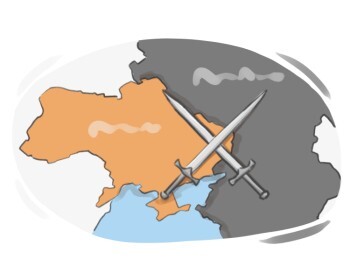
a state of armed fighting between two or more groups, nations, or states

guerre

a disagreement or argument over something important
désaccord, différend, mésentente

a country that has agreed to support and help another country, especially during a war or conflict
allié, alliée
a conflict where one side uses unconventional tactics to fight a stronger, more traditional military force
guerre asymétrique, conflit asymétrique
Les rebelles comptaient sur la guerre asymétrique pour défier l'armée du gouvernement.
an extremely brutal act, especially in war
atrocité
Le musée avait une exposition consacrée aux atrocités de la guerre, mettant en lumière les dures réalités auxquelles beaucoup avaient été confrontés.
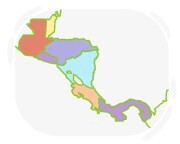
a line that separates two countries, provinces, or states from each other
frontière
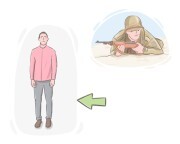
relating to people or activities that are not part of the armed forces
civil

the group of politicians in control of a country or state
gouvernement

an alliance of different groups, political parties, or countries formed to work together for a particular purpose
coalition
a small, illegitimate military group characterized by fast-moving actions, utilizing violence, terrorism, traps, and hit-and-run tactics against official military and police forces
force de guérilla, groupe de guérilla
Le gouvernement a eu du mal à vaincre la force de guérilla, qui bénéficiait d'un large soutien local.
a rebellion or armed uprising against established authority
insurrection
L'insurrection est devenue plus forte après la répression sévère des manifestations par le gouvernement.
the act of entering another country or territory by military force, especially in order to occupy or control it
invasion
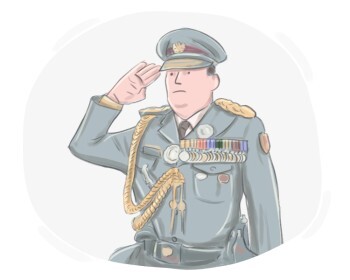
a person who leads or commands others
chef
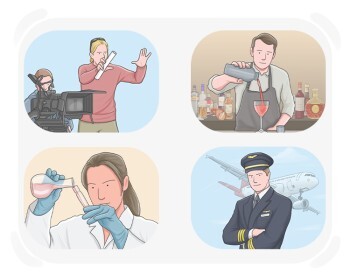
a person's profession or job, typically the means by which they earn a living
profession
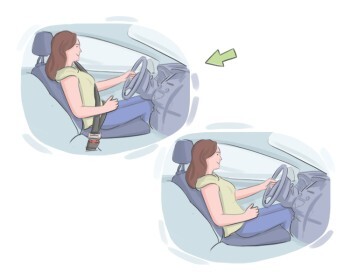
the state of being protected or having protection against any types of danger
sécurité
units within legitimate armed forces, comprising elite soldiers specially trained to undertake challenging missions and combat adversaries such as guerrilla forces and terrorists
Forces Spéciales, Commandos
La mission de l'équipe était classifiée, typique des opérations des Forces Spéciales.
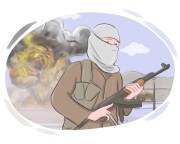
a person who uses or threatens violence to achieve political or ideological aims

the process during which someone learns the skills needed in order to do a particular job
formation

a military facility where troops are stationed for training or operational purposes
camp
groups of soldiers organized for military operations, often used to refer collectively to military personnel or forces in a particular area or situation
troupes, forces militaires
Le général a ordonné aux troupes d'avancer vers le bastion ennemi.
to convey a speech, idea, etc. to an audience in a clear and effective manner
prononcer, livrer
to guess how long something will last
dire, donner
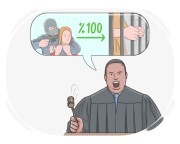
to officially start a legal process against someone, often with a document
délivrer

to deliver a speech or presentation that publicly expresses one's ideas, plans, etc.
exposer

to have a person, letter, or package physically delivered from one location to another, specifically by mail
envoyer
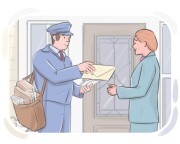
to be given something or to accept something that is sent
recevoir
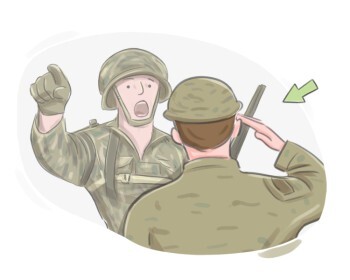
to act according to a rule, law, order, or request
obtempérer, s'exécuter

to intentionally pay no or little attention to someone or something
ignorer
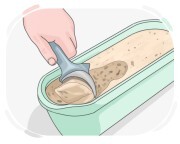
to remove something from a specific location or situation
retirer, enlever
a final and serious demand made by one person to another, which includes consequences if the demand is not met
ultimatum
Elle lui a donné un ultimatum: soit il acceptait le plan, soit elle partirait.

used when naming, or giving description or information about people, things, or situations
être, avoir
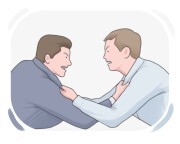
to take part in a violent physical action against someone
combattre, se battre
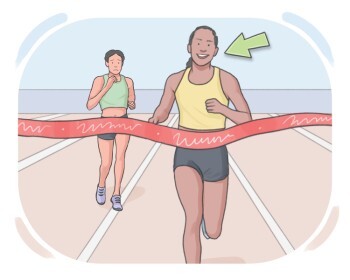
to become the most successful, the luckiest, or the best in a game, race, fight, etc.
gagner
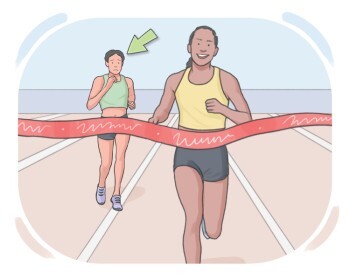
to not win in a race, fight, game, etc.
perdre, échouer
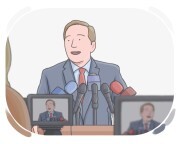
to officially tell people something
déclarer, annoncer
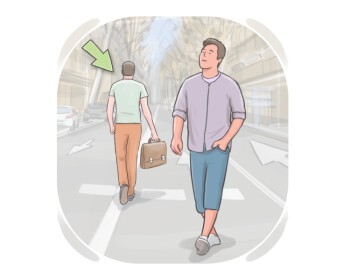
to travel or move from one location to another
aller
the process of promoting to a new position or gaining political power
ascension au pouvoir, montée en puissance
Elle a regardé alors que l'ascension au pouvoir de son rival créait des tensions au sein du groupe.
to take or begin to have power or responsibility
assumer, prendre
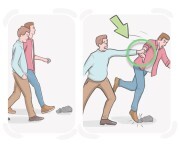
to take hold of something suddenly and firmly
saisir
to capture a place and obtain control over it
prendre
to lose a position of power, authority, or influence, often as a result of a negative event or circumstance
tomber, chuter
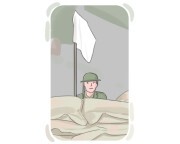
to stop trying when faced with failures or difficulties
abandonner, cesser d'essayer
Face au casse-tête difficile, il a été tenté d'abandonner, mais il a persévéré et l'a résolu.
