
Książka Solutions - Zaawansowany - Jednostka 5 - 5A - Część 1
Tutaj znajdziesz słownictwo z Unitu 5 - 5A - Części 1 w podręczniku Solutions Advanced, takie jak 'ultimatum', 'powstanie', 'okrucieństwo' itp.
Przegląd
Fiszki
formy
Pisownia
Test

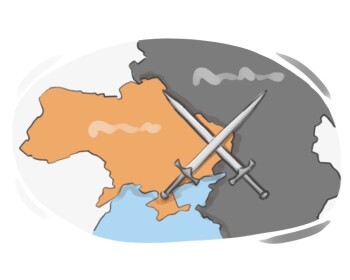
a state of armed fighting between two or more groups, nations, or states

wojna
Naród pozostawał w stanie wojny do podpisania porozumienia pokojowego.

a disagreement or argument over something important
konflikt, nieporozumienie
Powstał konflikt dotyczący budżetu projektu.

a country that aids another country, particularly if a war breaks out
sojusznik, partner
Traktat został podpisany w celu sformalizowania ich statusu jako sojuszników i określenia wzajemnych zobowiązań obronnych.
a conflict where one side uses unconventional tactics to fight a stronger, more traditional military force
wojna asymetryczna, konflikt asymetryczny
Słabsza siła w wojnie asymetrycznej unika bezpośrednich bitew i stosuje ataki z zaskoczenia.
an extremely brutal act, especially in war
okrucieństwo, barbarzyństwo
Ocaleni opowiadali o horrorze okrucieństwa, ich głosy drżały, gdy opisywali wydarzenia.
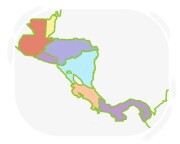
a line that separates two countries, provinces, or states from each other
granica, kres
Gdy przekraczaliśmy granicę do sąsiedniego kraju, przywitali nas celnicy.
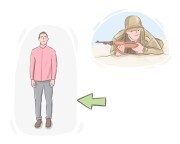
relating to a person who is not a member of the military or police force and does not hold an official position in the government
cywilny, cywilna
Świadek cywilny dostarczył kluczowego zeznania podczas procesu.
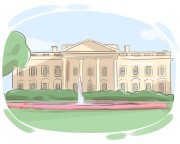
the group of politicians in control of a country or state
rząd, administracja
Rząd wprowadził nowe polityki w celu poprawy systemu opieki zdrowotnej w kraju i uczynienia go bardziej dostępnym dla wszystkich obywateli.
an alliance between two or more countries or between political parties when forming a government or during elections
koalicja, sojusz
Koalicja organizacji środowiskowych skutecznie lobbowała za zaostrzeniem przepisów dotyczących emisji przemysłowych.
a small, illegitimate military group characterized by fast-moving actions, utilizing violence, terrorism, traps, and hit-and-run tactics against official military and police forces
siły partyzanckie, grupa partyzancka
Koalicja sił partyzanckich od lat walczyła w regionie, bez widocznego zwycięstwa.
a rebellion or armed uprising against established authority
powstanie, bunt
Taktyka powstania obejmowała zasadzki, sabotaż i ataki typu hit-and-run.
the act of invading or entering a territory, country, or region by force or without permission, often with the intent to control or dominate the area and its inhabitants
inwazja, najazd
Żołnierze stawiali czoła trudnym warunkom, gdy posuwali się naprzód podczas inwazji.
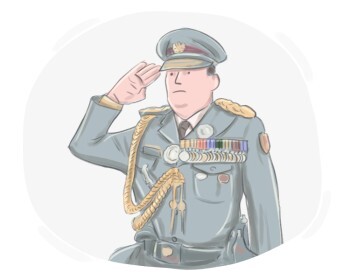
a person who leads or commands others
lider, przywódca
Lider firmy wdrożył nową strategię, aby zwiększyć produktywność.
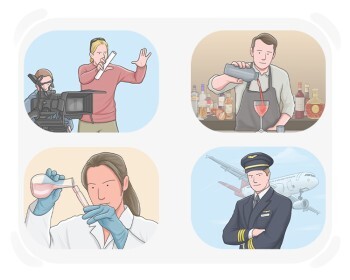
a person's profession or job, typically the means by which they earn a living
zawód, praca
Mimo związanych z tym zagrożeń, gaszenie pożarów to szlachetny i szanowany zawód poświęcony ochronie społeczności.
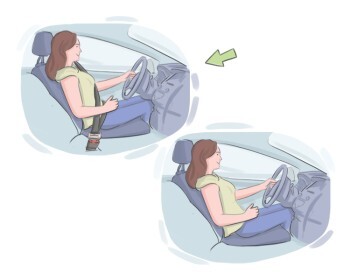
the state of being protected or having protection against any types of danger
bezpieczeństwo
Nowy system alarmowy znacznie poprawił bezpieczeństwo ich domu.
units within legitimate armed forces, comprising elite soldiers specially trained to undertake challenging missions and combat adversaries such as guerrilla forces and terrorists
Siły Specjalne, Komandosi
Ich sukces w misji przypisano ekspertyzie Sił Specjalnych w operacjach strategicznych.
person who uses violence or threats to achieve political or ideological goals by targeting innocent people or civilians
terrorysta, brutalny ekstremista
Został zidentyfikowany jako terrorysta po tym, jak był zaangażowany w kilka ataków, które spowodowały powszechny strach i zniszczenie.
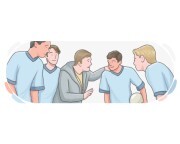
the process during which someone learns the skills needed in order to do a particular job
szkolenie, trening
Nowi pracownicy przeszli intensywne szkolenie, aby poznać polityki i procedury firmy.

a military facility where troops are stationed for training or operational purposes
obóz, koszary
Morale było wysokie w obozie podczas ich przestoju.
groups of soldiers organized for military operations, often used to refer collectively to military personnel or forces in a particular area or situation
wojska, siły zbrojne
Specjalne szkolenie było wymagane, zanim wojska mogły wziąć udział w tajnej operacji.
to convey a speech, idea, etc. to an audience in a clear and effective manner
wygłaszać, przekazywać
Nauczycielka przeprowadziła prowokującą do myślenia lekcję o prawach człowieka dla swoich uczniów.
to guess how long something will last
dać, oszacować
Mechanik dał staremu samochodowi około rok, zanim będzie potrzebował poważnych napraw.
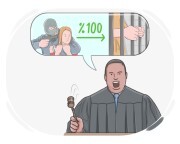
to officially start a legal process against someone, often with a document
wydawać, emitować
Sąd wydał nakaz aresztowania przeciwko niemu.

to deliver a speech or presentation that publicly expresses one's ideas, plans, etc.
prezentować, przedstawiać
Studentka zaprezentuje swój projekt pracy dyplomowej komisji wydziałowej do oceny.

to have a person, letter, or package physically delivered from one location to another, specifically by mail
wysłać
Muszę wysłać ten ważny dokument do głównego biura pocztą ekspresową.
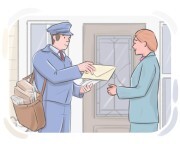
to be given something or to accept something that is sent
otrzymywać, przyjmować
Otrzymaliśmy zaproszenie na ich ślub.
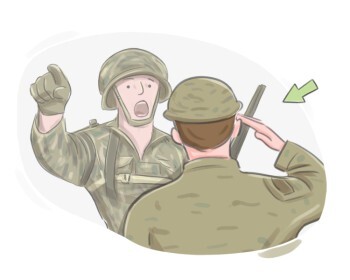
to act in accordance with rules, regulations, or requests
przestrzegać, stosować się
Na przestrzeni lat organizacja przestrzegała standardów branżowych.
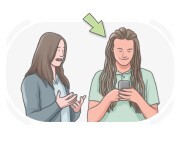
to intentionally pay no or little attention to someone or something
ignorować, nie zwracać uwagi
Ona regularnie ignoruje rozpraszające elementy, aby pozostać skupioną.
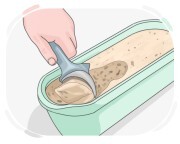
to remove something from a specific location or situation
usunąć, wycofać
Nauczyciel polecił uczniom wyjąć ołówki z ławek i rozpocząć egzamin.
a final and serious demand made by one person to another, which includes consequences if the demand is not met
ultimatum, ostateczne żądanie
Po miesiącach negocjacji dyplomata przedstawił ultimatum, aby rozwiązać kryzys.

used when naming, or giving description or information about people, things, or situations
być, znajdować się
Ta roślina to słonecznik.
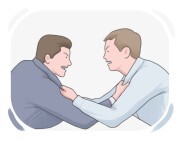
to take part in a violent physical action against someone
walczyć, bić się
Żołnierze dzielnie walczyli na froncie podczas wojny.
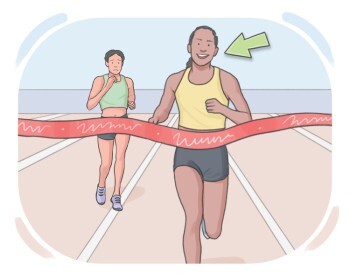
to become the most successful, the luckiest, or the best in a game, race, fight, etc.
wygrać, zwyciężyć
Nasza drużyna wygrała mistrzostwo po ciężkim sezonie.
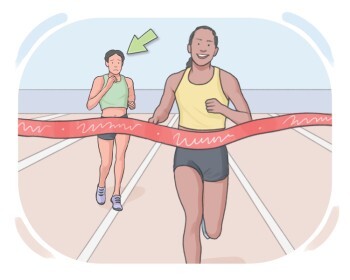
to not win in a race, fight, game, etc.
przegrać, ponieść porażkę
Przegrali walkę bokserską w ostatniej rundzie.
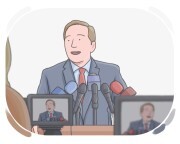
to officially tell people something
ogłaszać, deklarować
Po przeliczeniu głosów komisja wyborcza ogłosiła ostateczne wyniki wyborów.
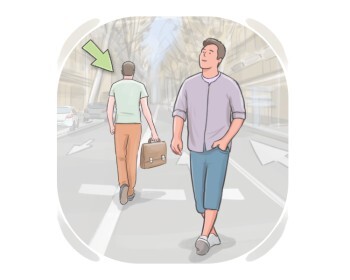
to travel or move from one location to another
iść, przemieszczać się
Czy nie byłoby wygodniej jechać autobusem?
the process of promoting to a new position or gaining political power
wzrost do władzy, dojście do władzy
Upadek starego reżimu utorował drogę do władzy nowego, bardziej postępowego rządu.
to take or begin to have power or responsibility
przejmować, przyjmować
Przejął kontrolę nad firmą podczas nieobecności CEO.
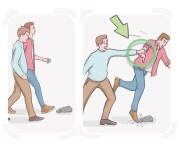
to suddenly and forcibly take hold of something
chwycić, złapać
Bramkarz zdołał pochwycić piłkę tuż przed tym, jak przeciwnik mógł strzelić gola.
to capture a place and obtain control over it
zająć, zdobyć
Armia zdołała zająć twierdzę wroga.
to lose a position of power, authority, or influence, often as a result of a negative event or circumstance
upadać, upaść
Po skandalu, niegdyś szanowany polityk zobaczył, jak jego reputacja dramatycznie spada.
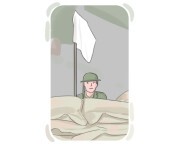
to stop trying when faced with failures or difficulties
poddawać się, rezygnować
Łatwo jest poddawać się, gdy sprawy stają się trudne, ale wytrwałość jest kluczowa.
