
Книга Solutions - Продвинутый - Раздел 5 - 5A - Часть 1
Здесь вы найдете словарь из Раздела 5 - 5A - Части 1 учебника Solutions Advanced, такие как 'ультиматум', 'восстание', 'зверство' и т.д.
Обзор
Флэш-карточки
формы
Правописание
Тест

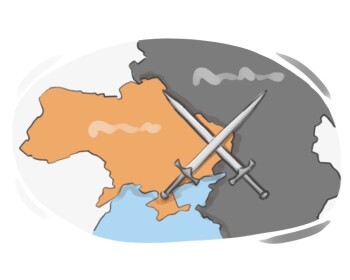
a state of armed fighting between two or more groups, nations, or states

война
Мир был в войне в начале 20 века.

a disagreement or argument over something important
конфликт
Она избежала конфликта, пойдя на компромисс рано.

a country that aids another country, particularly if a war breaks out
союзник
Во время войны каждая нация сильно зависела от своих союзников в плане ресурсов и поддержки.
a conflict where one side uses unconventional tactics to fight a stronger, more traditional military force
асимметричная война, асимметричный конфликт
В современной асимметричной войне кибератаки играют ключевую роль.
an extremely brutal act, especially in war
зверство
После окончания войны несколько лидеров были преданы суду за зверства, которые они санкционировали.
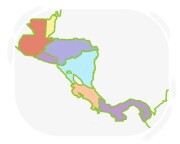
a line that separates two countries, provinces, or states from each other
граница
Дипломатические напряжения могут обостриться, когда возникают споры о разграничении границ между государствами.
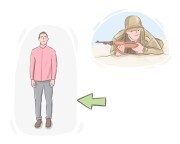
relating to a person who is not a member of the military or police force and does not hold an official position in the government
гражданское лицо
После выхода на пенсию из армии он перешел к гражданской жизни и занялся карьерой в бизнесе.
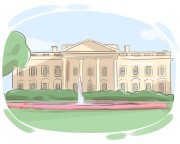
the group of politicians in control of a country or state
правительство
an alliance between two or more countries or between political parties when forming a government or during elections
коалиция
Коалиционное правительство было сформировано двумя крупными политическими партиями для обеспечения стабильности и консенсуса по ключевым политическим вопросам.
a small, illegitimate military group characterized by fast-moving actions, utilizing violence, terrorism, traps, and hit-and-run tactics against official military and police forces
партизанские силы
Партизанский отряд устроил засаду на колонну вражеских солдат в густом джунглях.
a rebellion or armed uprising against established authority
мятеж, волнения
Страна уже несколько лет борется с повстанческим движением в своем северном регионе.
the act of invading or entering a territory, country, or region by force or without permission, often with the intent to control or dominate the area and its inhabitants
вторжение
Вторжение в Нормандию стало переломным моментом во Второй мировой войне.
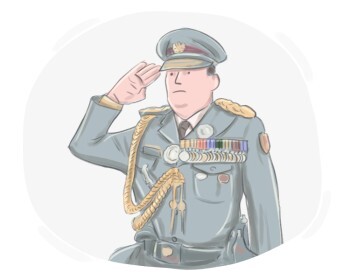
a person who leads or commands others
лидер
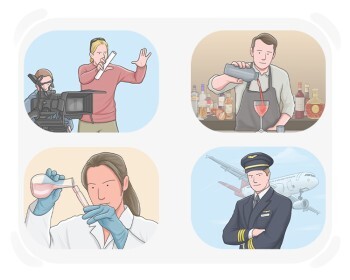
a person's profession or job, typically the means by which they earn a living
профессия
Преподавание — это благодарная профессия, которая позволяет педагогам оказывать положительное влияние на молодые умы.
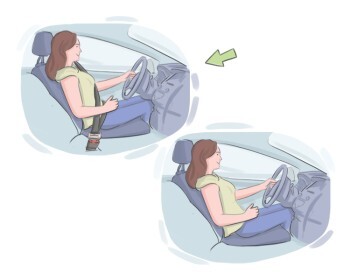
the state of being protected or having protection against any types of danger
безопасность
units within legitimate armed forces, comprising elite soldiers specially trained to undertake challenging missions and combat adversaries such as guerrilla forces and terrorists
спецподразделение
Специальные силы были развернуты для решения ситуации с заложниками.
person who uses violence or threats to achieve political or ideological goals by targeting innocent people or civilians
террорист
Террористическая группа взяла на себя ответственность за взрывы, произошедшие на центральной площади города.
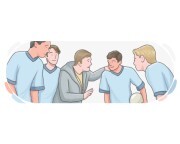
the process during which someone learns the skills needed in order to do a particular job
обучение

a military facility where troops are stationed for training or operational purposes
военный лагерь
Лагерь был укреплен, чтобы защитить войска от вражеских атак.
groups of soldiers organized for military operations, often used to refer collectively to military personnel or forces in a particular area or situation
войска
Войска были размещены на границе для обеспечения национальной безопасности.
to convey a speech, idea, etc. to an audience in a clear and effective manner
произносить, доносить
Ключевой спикер произнёс вдохновляющую речь на конференции, мотивируя всех присутствующих.
to guess how long something will last
предвидеть
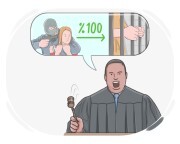
to officially start a legal process against someone, often with a document
делать предупреждение

to deliver a speech or presentation that publicly expresses one's ideas, plans, etc.
представлять, докладывать

to have a person, letter, or package physically delivered from one location to another, specifically by mail
посылать
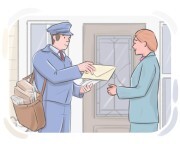
to be given something or to accept something that is sent
получать
Каждое утро он получает газету у своей двери.
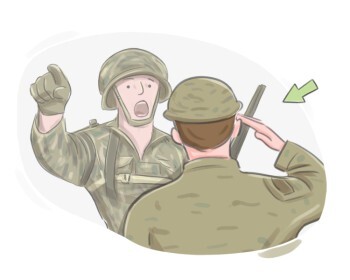
to act in accordance with rules, regulations, or requests
подчиняться
Ожидается, что сотрудники будут соблюдать кодекс поведения компании.
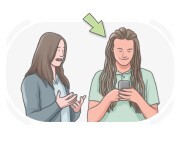
to intentionally pay no or little attention to someone or something
игнорировать
Несмотря на повторные предупреждения, он решил игнорировать правила безопасности.
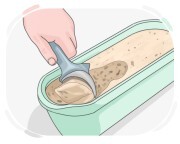
to remove something from a specific location or situation
убирать, извлекать
После того как шторм прошел, городские рабочие начали убирать упавшие ветки с дороги.
a final and serious demand made by one person to another, which includes consequences if the demand is not met
ультимативный
Правительство выдвинуло ультиматум, потребовав, чтобы повстанцы сдались в течение 24 часов.

used when naming, or giving description or information about people, things, or situations
быть
Мой любимый цвет — синий.
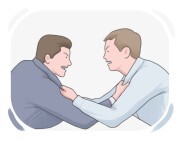
to take part in a violent physical action against someone
сражаться, драться
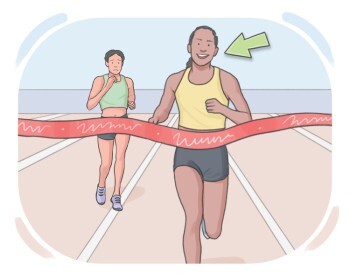
to become the most successful, the luckiest, or the best in a game, race, fight, etc.
выигрывать
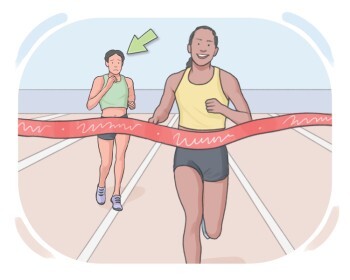
to not win in a race, fight, game, etc.
проигрывать, терпеть поражение
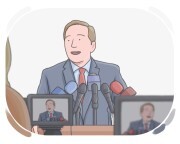
to officially tell people something
объявлять, провозглашать
Лидеры страны собрались, чтобы объявить о своей независимости от колониального правления.
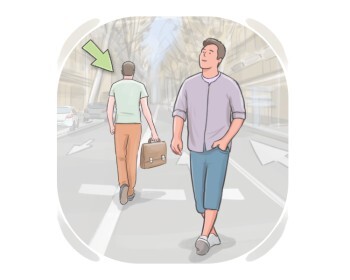
to travel or move from one location to another
идти, ходить
Этот поезд едет в аэропорт?
the process of promoting to a new position or gaining political power
приход к власти
Приход к власти генерала был отмечен серией стратегических военных побед.
to take or begin to have power or responsibility
принимать, брать на себя
Она взяла на себя роль лидера команды после ухода менеджера.
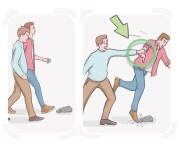
to suddenly and forcibly take hold of something
хватать
Орел спикировал, чтобы схватить рыбу из воды своими когтями.
to capture a place and obtain control over it
брать, взять
to lose a position of power, authority, or influence, often as a result of a negative event or circumstance
падать, рухнуть
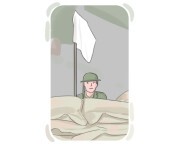
to stop trying when faced with failures or difficulties
сдаваться
Он отказался сдаваться, даже когда шансы были против него.
