
Vocabulaire pour l'IELTS Academic (Score 6-7) - Littérature
Ici, vous apprendrez quelques mots anglais liés à la littérature qui sont nécessaires pour l'examen académique IELTS.
Réviser
Flashcards
Orthographe
Quiz
a figure of speech in which a word or expression is used to describe something by implying a comparison with something else

métaphore

a word or phrase that compares two things or people, highlighting the similarities, often introduced by 'like' or 'as'
comparaison
Dans le roman, l'auteur utilise une comparaison pour décrire le cœur du protagoniste qui bat "comme un train fou", traduisant ainsi l'intensité de ses émotions.
the figurative language in literature by which the audience can form vivid mental images
imagerie
a form of humor in which the words that someone says mean the opposite, producing an emphatic effect
ironie
a collection of selected writings by various authors, often on a similar theme or subject
anthologie
Elle a aimé lire l'anthologie de nouvelles d'écrivains émergents.

an extra piece of information that is placed at the bottom of a printed page
note de bas de page
the specific form or version that a book, magazine, or similar publication is in
édition
a person or company that prepares and makes books, newspapers, magazines, or other works available to the public
éditeur, éditrice
a textbook or workbook designed to teach and develop reading skills
lecteur, manuel de lecture
a single publication that is part of a set of similar works
ouvrage
a genre of fiction that focuses on the lives, relationships, and personal growth of women, often with a lighthearted or romantic tone
littérature féminine légère, chick literature
Le livre est un exemple classique de littérature pour femmes, rempli de romance et d'humour.
a genre of science fiction set in a future dystopian society dominated by computer technology
cyberpunk
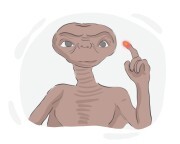
books, movies, etc. about imaginary things based on science
science fiction
Il aime les histoires de science-fiction qui le font réfléchir à l'avenir.
a recurring element that is the main idea or subject in a literary or artistic piece
thème

a person who writes books, articles, etc., often as a job
auteur, écrivain
a plotline or a story element that runs throughout a larger narrative, connecting different events and characters together, often with a unifying theme or motif
fil narratif, trame narrative
a novel that focuses on the psychological and moral growth of its main character from youth to adulthood
roman de formation, roman d'apprentissage
Dans le bildungsroman, le personnage principal subit une série d'épreuves et d'expériences qui façonnent son identité et sa vision du monde.
a genre of literature, film, and other forms of media that focuses on the growth and development of a protagonist from youth to adulthood
a literary genre that uses self-reflexive techniques to draw attention to its status as a work of fiction, blurring the lines between reality and fiction
métalittérature, métafiction
Dans le film, la prise de conscience du protagoniste qu'il est un personnage dans une histoire est un exemple astucieux de métalepse, invitant les spectateurs à questionner la nature même de la narration.
a genre of prose fiction that depicts the adventures of a roguish hero or heroine, typically one of low social status, who lives by their wits in a corrupt society
roman picaresque, roman de gueuserie
a verse without rhyme, especially one with ten syllables and five stresses, known as an iambic pentameter
vers non rimés
a lyric poem, written in varied or irregular metrical form, for a particular object, person, or concept
ode
Elle a composé une ode en l'honneur de son mentor bien-aimé.
a verse of Italian origin that has 14 lines, usually in an iambic pentameter and a prescribed rhyme scheme
sonnet
Le schéma de rimes et le mètre du sonnet ont démontré la compétence technique du poète.
a Japanese poem with three unrhymed lines that have five, seven and five syllables each
haiku
Son haïku a capturé l'essence d'une matinée d'hiver sereine.

a long movie full of adventure that could be about a historical event
épopée
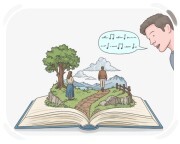
a tale that is narrated in the form of a song or poem
ballade
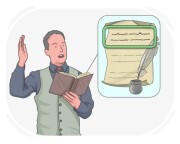
a series of lines in a poem, usually with recurring rhyme scheme and meter
strophe
La strophe a établi l'ambiance pour le reste du poème.
a subject, image, idea, or phrase that recurs in a literary work
thème
the quality or character of speech, writing, or behavior that reflects the speaker's or writer's attitude
registre
the emotional atmosphere or feeling created by a piece of writing
ambiance, atmosphère
