pattern

Ordförråd för IELTS Academic (Poäng 6-7) - Literature

Här kommer du att lära dig några engelska ord relaterade till Litteratur som är nödvändiga för det akademiska IELTS-provet.

Recension

Flashcards

Stavning

Quiz

Starta lärandet
Vocabulary for Academic IELTS (6-7)
metaphor
metaphor
[Substantiv]

a figure of speech that compares two unrelated things to highlight their similarities and convey a deeper meaning

metafor, stilfigur

metafor, stilfigur

Ex: He used the metaphor of a journey to describe the process of personal growth. 
Stäng
Logga in
simile
simile
[Substantiv]

a word or phrase that compares two things or people, highlighting the similarities, often introduced by 'like' or 'as'

liknelse, jämförelse

liknelse, jämförelse

Ex: The poet used a simile to compare the clouds to cotton candy, painting a vivid picture of their fluffy, ethereal appearance. 
Stäng
Logga in
imagery
imagery
[Substantiv]

the figurative language in literature by which the audience can form vivid mental images

bildspråk, figurativt språk

bildspråk, figurativt språk

Stäng
Logga in
irony
irony
[Substantiv]

a form of humor in which the words that someone says mean the opposite, producing an emphatic effect

ironi

ironi

Ex: His irony was so sharp that some people didn’t realize he was mocking them. 
Stäng
Logga in
anthology
anthology
[Substantiv]

a collection of selected writings by various authors, often on a similar theme or subject

antologi, samling

antologi, samling

Ex: The university library boasts an extensive anthology of classical literature. 
Stäng
Logga in
footnote
footnote
[Substantiv]

an extra piece of information that is placed at the bottom of a printed page

fotnot, not under sidan

fotnot, not under sidan

Ex: In her academic paper, she included a footnote to provide additional context for a complex term. 
Stäng
Logga in
edition
edition
[Substantiv]

the specific form or version that a book, magazine, or similar publication is in

upplaga, version

upplaga, version

Ex: The digital edition of the journal offers convenient access to scholarly articles and research papers for academics and professionals. 
Stäng
Logga in
publisher
publisher
[Substantiv]

a person or firm that manages the preparation and public distribution of printed material such as books, newspapers, etc.

förläggare, förlag

förläggare, förlag

Ex: The publisher released a new edition of the classic novel last month. 
Stäng
Logga in
reader
reader
[Substantiv]

a textbook or workbook designed to teach and develop reading skills

läsare, läsbok

läsare, läsbok

Ex: The elementary school provided each student with a reader to improve their literacy skills. 
Stäng
Logga in
volume
volume
[Substantiv]

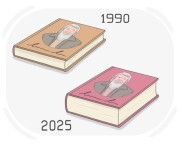
a single publication that is part of a set of similar works

volym, del

volym, del

Ex: The magazine releases a new volume every month. 
Stäng
Logga in
chick lit
chick lit
[Substantiv]

a genre of fiction that focuses on the lives, relationships, and personal growth of women, often with a lighthearted or romantic tone

kvinnolitteratur, lätta romaner för kvinnor

kvinnolitteratur, lätta romaner för kvinnor

Ex: She enjoys reading chick lit novels as a way to relax. 
Stäng
Logga in
cyberpunk
cyberpunk
[Substantiv]

a genre of science fiction set in a future dystopian society dominated by computer technology

cyberpunk, datorpunk

cyberpunk, datorpunk

Stäng
Logga in
science fiction
science fiction
[Substantiv]

books, movies, etc. about imaginary things based on science

science fiction, SF

science fiction, SF

Ex: He enjoys reading science fiction novels set in distant galaxies. 
Stäng
Logga in
theme
theme
[Substantiv]

a recurring element that is the main idea or subject in a literary or artistic piece

tema, motiv

tema, motiv

Stäng
Logga in
author
author
[Substantiv]

a person who writes books, articles, etc., often as a job

författare, skribent

författare, skribent

Ex: The author's latest novel topped the bestseller list, captivating readers with its gripping plot and memorable characters. 
Stäng
Logga in
narrative thread
narrative thread
[Substantiv]

a plotline or a story element that runs throughout a larger narrative, connecting different events and characters together, often with a unifying theme or motif

berättartråd, handlingslinje

berättartråd, handlingslinje

Stäng
Logga in
bildungsroman
bildungsroman
[Substantiv]

a novel that focuses on the psychological and moral growth of its main character from youth to adulthood

utvecklingsroman, bildningsroman

utvecklingsroman, bildningsroman

Ex: The novel follows the protagonist's coming-of-age journey from adolescence to adulthood, making it a classic example of bildungsroman literature. 
Stäng
Logga in
coming-of-age [story|tale|narrative]

a genre of literature, film, and other forms of media that focuses on the growth and development of a protagonist from youth to adulthood

Ex: Her debut novel is a captivating coming-of-age story set in a small town, following the journey of a young girl as she discovers herself. 
Stäng
Logga in
metafiction
metafiction
[Substantiv]

a literary genre that uses self-reflexive techniques to draw attention to its status as a work of fiction, blurring the lines between reality and fiction

metafiktion, metalitteratur

metafiktion, metalitteratur

Ex: The novel employed metafiction, blurring the lines between fiction and reality by having the characters acknowledge their existence as creations of the author. 
Stäng
Logga in
picaresque novel
picaresque novel
[Substantiv]

a genre of prose fiction that depicts the adventures of a roguish hero or heroine, typically one of low social status, who lives by their wits in a corrupt society

pikaresk roman, äventyrsroman

pikaresk roman, äventyrsroman

Stäng
Logga in
blank verse
blank verse
[Substantiv]

a verse without rhyme, especially one with ten syllables and five stresses, known as an iambic pentameter

blankvers, rimlös vers

blankvers, rimlös vers

Stäng
Logga in
ode
ode
[Substantiv]

a lyric poem, written in varied or irregular metrical form, for a particular object, person, or concept

od, lyrisk dikt

od, lyrisk dikt

Ex: The poet wrote an ode to celebrate the beauty of nature. 
Stäng
Logga in
sonnet
sonnet
[Substantiv]

a verse of Italian origin that has 14 lines, usually in an iambic pentameter and a prescribed rhyme scheme

sonett, fjortonradigt poem

sonett, fjortonradigt poem

Ex: He struggled to fit his thoughts into the strict format of a sonnet. 
Stäng
Logga in
haiku
haiku
[Substantiv]

a Japanese poem with three unrhymed lines that have five, seven and five syllables each

haiku, haikudikt

haiku, haikudikt

Ex: She wrote a haiku about the changing seasons. 
Stäng
Logga in
epic
epic
[Substantiv]

a long movie full of adventure that could be about a historical event

epos, episk film

epos, episk film

Ex: The director's latest film was hailed as an epic, spanning generations and depicting the struggles of a nation. 
Stäng
Logga in
ballad
ballad
[Substantiv]

a tale that is narrated in the form of a song or poem

ballad, berättande sång

ballad, berättande sång

Ex: The troubadours of medieval Europe traveled from town to town, singing ballads of love and chivalry. 
Stäng
Logga in
stanza
stanza
[Substantiv]

a series of lines in a poem, usually with recurring rhyme scheme and meter

strof, vers

strof, vers

Ex: The poem was structured with four stanzas, each following a different theme. 
Stäng
Logga in
motif
motif
[Substantiv]

a subject, idea, or phrase that is repeatedly used in a literary work

motiv, tema

motiv, tema

Ex: The motif of the "hero's journey" is a common theme in many epic tales, symbolizing the protagonist's growth and transformation. 
Stäng
Logga in
tone
tone
[Substantiv]

the quality or character of speech, writing, or behavior that reflects the speaker's or writer's attitude

ton, tonalitet

ton, tonalitet

Ex: The essay's tone was formal and authoritative. 
Stäng
Logga in
mood
mood
[Substantiv]

the emotional atmosphere or feeling created by a piece of writing

stämning, atmosfär

stämning, atmosfär

Stäng
Logga in
LanGeek
Ladda ner LanGeek app