pattern

Vocabulary for IELTS Academic (Band 6-7) - Literature

Here, you will learn some English words related to Literature that are necessary for the Academic IELTS exam.

Review

Flashcards

Forms

Spelling

Quiz

Start learning
Vocabulary for Academic IELTS (6-7)
metaphor
metaphor
[noun]

a figure of speech that compares two unrelated things to highlight their similarities and convey a deeper meaning

Ex: Her speech was filled with powerful metaphors that moved the audience .
Close
Sign in
simile
simile
[noun]

a word or phrase that compares two things or people, highlighting the similarities, often introduced by 'like' or 'as'

Ex: The poet 's use of a simile comparing the stars to diamonds in the sky adds a touch of beauty and sparkle to the nighttime landscape .
Close
Sign in
imagery
imagery
[noun]

the figurative language in literature by which the audience can form vivid mental images

Close
Sign in
irony
irony
[noun]

a form of humor in which the words that someone says mean the opposite, producing an emphatic effect

Ex: Through irony, she pointed out the flaws in their logic without directly insulting them .
Close
Sign in
anthology
anthology
[noun]

a collection of selected writings by various authors, often on a similar theme or subject

Ex: Students studied an anthology of plays by Shakespeare for their literature class .
Close
Sign in
footnote
footnote
[noun]

an extra piece of information that is placed at the bottom of a printed page
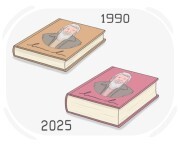
Ex: The professor encouraged students to utilize footnotes to acknowledge sources and provide further explanations in their essays .
Close
Sign in
edition
edition
[noun]

the specific form or version that a book, magazine, or similar publication is in

Ex: The special edition of the magazine included exclusive interviews and behind-the-scenes insights into the making of the film .
Close
Sign in
publisher
publisher
[noun]

a person or firm that manages the preparation and public distribution of printed material such as books, newspapers, etc.

Ex: The publisher's role is crucial in ensuring that high-quality content reaches readers .
Close
Sign in
reader
reader
[noun]

a textbook or workbook designed to teach and develop reading skills
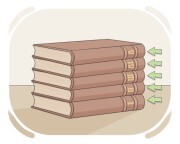
Ex: The homeschooling parent selected a reader with engaging stories to motivate their child 's reading practice .
Close
Sign in
volume
volume
[noun]

a single publication that is part of a set of similar works

Ex: She collects all volumes of the annual report .
Close
Sign in
chick lit
chick lit
[noun]

a genre of fiction that focuses on the lives, relationships, and personal growth of women, often with a lighthearted or romantic tone

Ex: Some critics dismiss chick lit, but it has a wide and loyal readership .
Close
Sign in
cyberpunk
cyberpunk
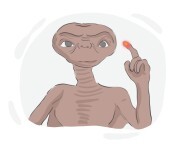
[noun]

a genre of science fiction set in a future dystopian society dominated by computer technology
Close
Sign in
science fiction

books, movies, etc. about imaginary things based on science

Ex: The science fiction film was filled with advanced technology and alien life .
Close
Sign in
theme
theme
[noun]

a recurring element that is the main idea or subject in a literary or artistic piece

Close
Sign in
author
author
[noun]

a person who writes books, articles, etc., often as a job

Ex: The literary critic praised the author's prose style , noting its elegance and sophistication .
Close
Sign in
narrative thread

a plotline or a story element that runs throughout a larger narrative, connecting different events and characters together, often with a unifying theme or motif

Close
Sign in
bildungsroman

a novel that focuses on the psychological and moral growth of its main character from youth to adulthood

Ex: The bildungsroman genre has produced some of literature 's most beloved works , capturing the universal struggles and triumphs of growing up .
Close
Sign in
coming-of-age [story|tale|narrative]

a genre of literature, film, and other forms of media that focuses on the growth and development of a protagonist from youth to adulthood

Ex: Her debut novels include captivating coming-of-age stories set in various small towns, each following the journey of a young protagonist as they discover themselves.
Close
Sign in
metafiction

a literary genre that uses self-reflexive techniques to draw attention to its status as a work of fiction, blurring the lines between reality and fiction

Ex: Through metafiction, the author explored themes of authorship , narrative structure , and the relationship between fiction and reality , challenging readers to think critically about the nature of storytelling .
Close
Sign in
picaresque novel

a genre of prose fiction that depicts the adventures of a roguish hero or heroine, typically one of low social status, who lives by their wits in a corrupt society

Close
Sign in
blank verse

a verse without rhyme, especially one with ten syllables and five stresses, known as an iambic pentameter

Close
Sign in
ode
ode
[noun]

a lyric poem, written in varied or irregular metrical form, for a particular object, person, or concept

Ex: The ode was filled with elaborate metaphors and vivid imagery .
Close
Sign in
sonnet
sonnet
[noun]

a verse of Italian origin that has 14 lines, usually in an iambic pentameter and a prescribed rhyme scheme

Ex: She wrote a sonnet for her literature class , following the traditional 14-line structure .
Close
Sign in
haiku
haiku
[noun]

a Japanese poem with three unrhymed lines that have five, seven and five syllables each

Ex: She recited a haiku about the fleeting cherry blossoms .
Close
Sign in
epic
epic
[noun]

a long movie full of adventure that could be about a historical event
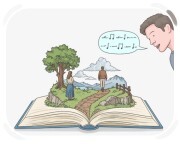
Ex: He spent years researching and writing his epic, painstakingly crafting each chapter to evoke the spirit of a bygone era.
Close
Sign in
ballad
ballad
[noun]

a tale that is narrated in the form of a song or poem
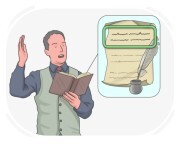
Ex: The ballad's haunting melody and evocative lyrics made it a favorite among fans of traditional music .
Close
Sign in
stanza
stanza
[noun]

a series of lines in a poem, usually with recurring rhyme scheme and meter

Ex: The stanza's rhyme scheme was ABAB , giving the poem a rhythmic flow .
Close
Sign in
motif
motif
[noun]

a subject, idea, or phrase that is repeatedly used in a literary work

Ex: The motif of " nature versus civilization " serves as a central theme in the story , highlighting the tension between humanity 's primal instincts and societal norms .
Close
Sign in
tone
tone
[noun]

the quality or character of speech, writing, or behavior that reflects the speaker's or writer's attitude

Ex: The tone of his letter was surprisingly harsh .
Close
Sign in
mood
mood
[noun]

the emotional atmosphere or feeling created by a piece of writing

Close
Sign in
LanGeek
Download LanGeek app