
Slovní zásoba pro IELTS Academic (Skóre 6-7) - Literatura
Zde se naučíte některá anglická slova související s literaturou, která jsou nezbytná pro akademickou zkoušku IELTS.
Revize
Kartičky
Pravopis
Kvíz
a figure of speech in which a word or expression is used to describe something by implying a comparison with something else

metafora, přirovnání

a word or phrase that compares two things or people, highlighting the similarities, often introduced by 'like' or 'as'
přirovnání, podobnost
Básníkovo použití přirovnání, které přirovnává hvězdy k diamantům na obloze, dodává noční krajině nádech krásy a třpytu.
the figurative language in literature by which the audience can form vivid mental images
obrazotvornost, obrazný jazyk
a form of humor in which the words that someone says mean the opposite, producing an emphatic effect
ironie
Pomocí ironie poukázala na nedostatky v jejich logice, aniž by je přímo urážela.
a collection of selected writings by various authors, often on a similar theme or subject
antologie, sbírka
Studenti studovali antologii her od Shakespeara pro svou literární třídu.

an extra piece of information that is placed at the bottom of a printed page
poznámka pod čarou, poznámka na konci stránky
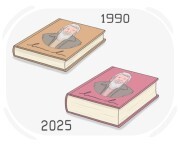
the specific form or version that a book, magazine, or similar publication is in
vydání, verze
a person or company that prepares and makes books, newspapers, magazines, or other works available to the public
vydavatel, nakladatelství
a textbook or workbook designed to teach and develop reading skills
čtenář, čítanka
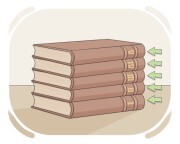
a single publication that is part of a set of similar works
svazek, díl
a genre of fiction that focuses on the lives, relationships, and personal growth of women, often with a lighthearted or romantic tone
oddechová literatura pro ženy
Někteří kritici odmítají literaturu pro ženy, ale má širokou a věrnou čtenářskou obec.
a genre of science fiction set in a future dystopian society dominated by computer technology
cyberpunk, počítačový punk
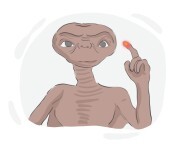
books, movies, etc. about imaginary things based on science
vědeckofantastická literatura, sci-fi
Science fiction film byl plný pokročilé technologie a mimozemského života.
a recurring element that is the main idea or subject in a literary or artistic piece
téma, motiv

a person who writes books, articles, etc., often as a job
autor, spisovatel
a plotline or a story element that runs throughout a larger narrative, connecting different events and characters together, often with a unifying theme or motif
vyprávěcí nit, dějová linie
a novel that focuses on the psychological and moral growth of its main character from youth to adulthood
výchovný román, vzdělávací román
Žánr bildungsroman vytvořil některá z nejoblíbenějších děl literatury, zachycující univerzální boje a triumfy dospívání.
a genre of literature, film, and other forms of media that focuses on the growth and development of a protagonist from youth to adulthood
a literary genre that uses self-reflexive techniques to draw attention to its status as a work of fiction, blurring the lines between reality and fiction
metafikce, metaliteratura
Prostřednictvím metafikce autor zkoumal témata autorství, narativní struktury a vztahu mezi fikcí a realitou, vyzývající čtenáře, aby kriticky přemýšleli o povaze vyprávění.
a genre of prose fiction that depicts the adventures of a roguish hero or heroine, typically one of low social status, who lives by their wits in a corrupt society
pikareskní román, dobrodružný román
a verse without rhyme, especially one with ten syllables and five stresses, known as an iambic pentameter
bílý verš, nerýmovaný verš
a lyric poem, written in varied or irregular metrical form, for a particular object, person, or concept
óda, lyrická báseň
Óda byla naplněna propracovanými metaforami a živými obrazy.
a verse of Italian origin that has 14 lines, usually in an iambic pentameter and a prescribed rhyme scheme
sonet, báseň o čtrnácti řádcích
Napsala sonet pro svou literární třídu, podle tradiční 14řádkové struktury.
a Japanese poem with three unrhymed lines that have five, seven and five syllables each
haiku, báseň haiku
Recitovala haiku o pomíjivých třešňových květech.

a long movie full of adventure that could be about a historical event
epos, epický film
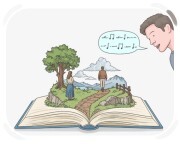
a tale that is narrated in the form of a song or poem
balada, vyprávěcí píseň
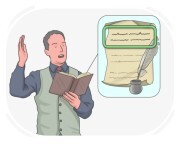
a series of lines in a poem, usually with recurring rhyme scheme and meter
sloka, strofa
Strofa měla rýmové schéma ABAB, což básni dodalo rytmický tok.
a subject, image, idea, or phrase that recurs in a literary work
motiv, téma
the quality or character of speech, writing, or behavior that reflects the speaker's or writer's attitude
tón, tonalita
the emotional atmosphere or feeling created by a piece of writing
nálada, atmosféra
| Slovní zásoba pro IELTS Academic (Skóre 6-7) | |||
|---|---|---|---|
| Inženýrství | Technologie | Internet a Počítač | Výroba a Průmysl |
| Dějiny | Religion | Kultura a Zvyk | Jazyk a Gramatika |
| Umění | Hudba | Film a Divadlo | Literatura |
| Architektura | Marketing | Finance | Řízení |
| Lékařství | Nemoc a Příznaky | Zákon | Energie a Výkon |
