
Verbes d'Aide et de Blessure - Verbes pour le harcèlement
Ici, vous apprendrez quelques verbes anglais se référant au harcèlement tels que "déranger", "ennuyer" et "harceler".
Réviser
Flashcards
formes
Orthographe
Quiz


to subject someone to aggressive pressure or intimidation, often causing distress or discomfort

harceler, importuner
Ils ont été harcelés par leurs camarades de classe tout au long du lycée, subissant un harcèlement et des moqueries constants.

to cause someone to feel worried, upset, or concerned
déranger, ennuyer
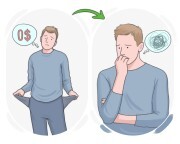
to create problems for someone, resulting in hardship
déranger

to annoy someone repeatedly by making persistent requests
harceler, ennuyer
Malgré qu'on lui ait dit non, il a continué à harceler ses collègues pour obtenir de l'aide.
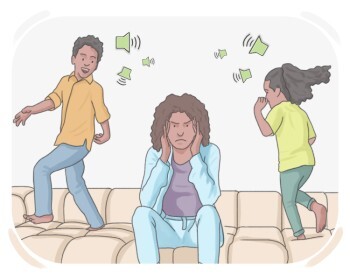
to repeatedly annoy or harass someone with requests or questions
harceler
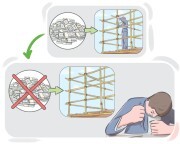
to continuously create problems for someone or something
perturber, déranger, miner
Les rumeurs persistantes peuvent tourmenter la réputation d'une personne.

to constantly chase, pressure, or follow someone to gain or achieve something
poursuivre avec acharnement
to persistently annoy someone, often by making repeated requests or demands
ennuyer, harceler
Malgré qu'on lui ait dit d'arrêter, il a continué à harceler ses camarades de classe pour obtenir des réponses.
to irritate someone or cause problems for them, particularly by asking them to do something over and over again
ennuyer, embêter, enquiquiner
Être obligé de fournir les mêmes informations à plusieurs reprises peut ennuyer les personnes confrontées à la bureaucratie.
to continually annoy someone
harceler, importuner
Les voisins ennuyeux peuvent harceler les résidents avec des perturbations sonores.
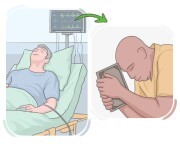
to cause worry or annoyance for someone
ronger, dévorer
to request something in an annoyingly persistent way
importuner, harceler
Les enfants importunaient leurs parents pour avoir les derniers jouets qu'ils voyaient à la télé.

to continually cause someone or something difficulty, pain, or worry
harceler, tracasser, tourmenter
Elle était hantée par des problèmes financiers persistants qui affectaient sa vie quotidienne.
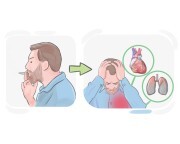
to cause pain, suffering, or distress, often as a result of illness, injury, or hardship
affecter, accabler
La région a été affligée par une grave sécheresse l'année dernière.

to ask personal or unwanted questions
fouiner, s'immiscer
Les journalistes fouinent parfois dans la vie personnelle des personnalités publiques pour découvrir des scandales.

to watch someone secretly in order to learn what they are doing
espionner

to secretly investigate or look around to discover private information about someone
fouiner, espionner
Les journalistes peuvent fouiner pour obtenir des informations afin de découvrir des détails cachés ou des scandales.

to secretly listen to a conversation without the knowledge or consent of those involved
écouter aux portes, espionner une conversation
Alors qu'elle marchait dans le couloir, elle ne pouvait s'empêcher d'écouter la discussion dans la pièce voisine.

to secretly enter an organization or group with the aim of spying on its members or gathering information
s'infiltrer dans
Le journaliste a réussi à s'infiltrer dans l'événement privé pour recueillir des détails exclusifs pour l'article.
