
Verbes d'Évocation des Émotions - Verbes pour évoquer la peur et la détresse
Ici, vous apprendrez quelques verbes anglais faisant référence à l'évocation de la peur et de la détresse tels que "effrayer", "inquiéter" et "traumatiser".
Réviser
Flashcards
formes
Orthographe
Quiz
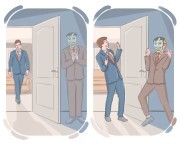
to suddenly make a person or animal to feel afraid

effrayer, épouvanter
Je ne voulais pas te effrayer quand j'ai tapé ton épaule par derrière.

to startle or frighten someone suddenly
effrayer, surprendre
Le silence étrange dans la maison abandonnée a effrayé le groupe d'amis qui l'explorait.
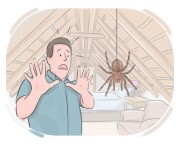
to cause extreme fear in someone
terrifier
Le terrifiant fracas au milieu de la nuit a terrifié toute la maison.
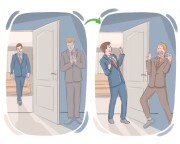
to cause a person or animal to feel scared
effrayer, faire peur à

to cause extreme fear
terroriser, faire régner la terreur
La maison hantée était si réaliste qu'elle terrorisait quiconque osait y entrer.

to say that one is willing to damage something or hurt someone if one's demands are not met
menacer
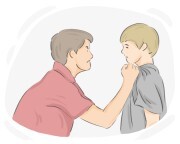
to make someone feel afraid or nervous
intimider
La présence de l'agent de police a intimidé le suspect, conduisant à un aveu du crime.
to make someone so frightened that they cannot move or speak
pétrifier
Le rugissement fort de l'ours qui approchait pétrifia les campeurs, les gelant sur place.

to cause a person to feel scared or unconfident
intimider
La taille imposante de la montagne effraierait même les alpinistes les plus expérimentés.

to cause intense fear, shock, or disgust in someone
horrifier, terrifier
Les images graphiques de l'accident ont horrifié les témoins, les laissant traumatisés.

to surprise or upset someone greatly
choquer, bouleverser
to disturb or unsettle someone, causing them to feel worried or uneasy
perturber, déranger
Le comportement étrange de son chat habituellement calme l'a perturbée, la faisant se demander si quelque chose n'allait pas.

to surprise someone so much that they are unable to react quickly
surprendre, déconcerter
Sa démission soudaine a pris de court toute l'équipe.

to cause someone to feel shocked, worried, or upset
consterner, déconcerter
La mauvaise performance de l'équipe a consterné l'entraîneur, qui avait de grandes attentes.
to cause a sudden shock or surprise, resulting in a quick, involuntary reaction
effrayer, surprendre
L'apparition inattendue de l'araignée a effrayé la personne arachnophobe, qui a crié et s'est enfuie.
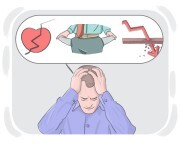
to deeply shock or overwhelm emotionally
accabler de chagrin, anéantir, bouleverser
La destruction causée par l'ouragan a dévasté la communauté côtière, laissant les résidents sans abri et le cœur brisé.
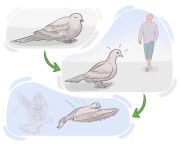
to make someone feel frightened, worried, or anxious about a possible danger or problem
alarmer
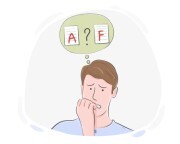
to make someone feel nervous or uncomfortable, often by surprising or overwhelming them
troubler, agiter
Essayer de se garer en parallèle dans une circulation dense a déconcerté la nouvelle conductrice alors qu'elle sentait tous les regards sur elle.

to subject someone or something to serious difficulty, strain, or hardship
affliger, accabler

to greatly shock or surprise someone
stupéfier, étonner
La découverte d'artefacts anciens sous les rues de la ville a stupéfié les archéologues, qui ne s'attendaient pas à une telle trouvaille.
to shock or horrify someone, causing them to feel alarmed or deeply unpleasantly surprised
consterner, horrifier
La nouvelle des licenciements imminents a consterné les employés, qui craignaient pour leurs emplois.
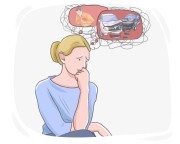
to cause severe emotional distress or psychological harm to someone, often resulting in long-term effects
traumatiser, choquer profondément
La relation abusive l'a traumatisée, laissant des cicatrices durables sur sa santé mentale.
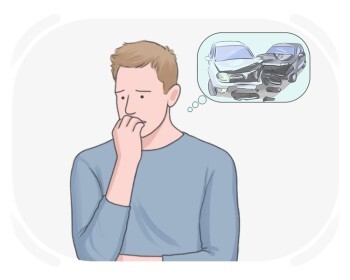
to cause someone to worry
inquiéter
