
Czasowniki Wywołujące Emocje - Czasowniki do wywoływania strachu i niepokoju
Tutaj nauczysz się niektórych angielskich czasowników odnoszących się do wywoływania strachu i niepokoju, takich jak "przestraszyć", "niepokoić" i "traumatyzować".
Przegląd
Fiszki
formy
Pisownia
Test
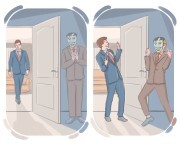
to suddenly make a person or animal to feel afraid

przestraszyć, wystraszyć
Niespodziewane pojawienie się węża przestraszyło wędrowców na szlaku.

to startle or frighten someone suddenly
przestraszyć, zaskoczyć
Niespodziewane pojawienie się ducha w filmie przestraszyło publiczność.
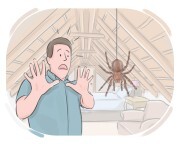
to cause extreme fear in someone
przerażać, straszyć
Film horror był tak intensywny, że przestraszył nawet najodważniejszych członków publiczności.
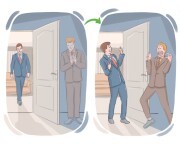
to cause a person or animal to feel scared
przestraszyć, nastraszyć
Upiorna cisza w ciemnym lesie przestraszyła wędrowca.

to cause extreme fear
terroryzować, siać postrach
Łobuz terroryzował szkolne podwórko, utrudniając innym uczniom poczucie bezpieczeństwa.

to say that one is willing to damage something or hurt someone if one's demands are not met
grozić
Porywacz zagroził, że skrzywdzi zakładnika, jeśli okup nie zostanie zapłacony.
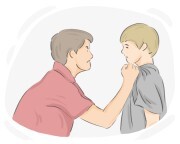
to make someone feel afraid or nervous
zastraszać, onieśmielać
Agresywny kierowca zastraszał innych kierowców, jadąc zbyt blisko i głośno trąbiąc.
to make someone so frightened that they cannot move or speak
spetryfikować, zastygnąć ze strachu
Groźne gesty zamaskowanego intruza sparaliżowały właściciela domu, uniemożliwiając mu reakcję.

to cause a person to feel scared or unconfident
zniechęcać, straszyć
Onieśmielająca obecność gwiazdy drużyny przeciwnej zniechęciła młodych sportowców, sprawiając, że poczuli się nieadekwatni.

to cause intense fear, shock, or disgust in someone
przerażać, przestraszać
Wiadomość o ataku terrorystycznym przerażała naród, prowadząc do powszechnej paniki i żałoby.

to surprise or upset someone greatly
szokować, wstrząsać
Skandaliczne rewelacje w tabloidzie zszokowały opinię publiczną, prowadząc do powszechnego oburzenia.
to disturb or unsettle someone, causing them to feel worried or uneasy
niepokoić, zakłócać
Złowieszcza prognoza pogody zaniepokoiła organizatorów wydarzenia, którzy obawiali się, że może zrujnować ich plany na świeżym powietrzu.

to surprise someone so much that they are unable to react quickly
zaskoczyć, wprawić w zakłopotanie
Niespodziewany sukces projektu zaskoczył wszystkich.

to cause someone to feel shocked, worried, or upset
zaniepokoić, zmartwić
Wandalizm na wyposażeniu placu zabaw zszokował społeczność, pozostawiając ich przygnębionych.
to cause a sudden shock or surprise, resulting in a quick, involuntary reaction
przestraszyć, zaskoczyć
Niespodziewane pęknięcie balonu zaskoczyło dzieci na przyjęciu urodzinowym, powodując, że nerwowo się zaśmiewały.
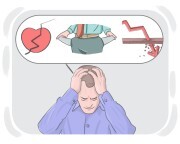
to deeply shock or overwhelm emotionally
dewastować, niszczyć
Rozstanie z długoletnim partnerem zdruzgotało go, niszcząc jego poczucie bezpieczeństwa i szczęścia.
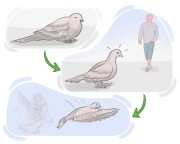
to make someone scared or anxious
alarmować, przestraszyć
Nagłe zniknięcie ich dziecka w zatłoczonym parku rozrywki zaalarmowało rodziców, którzy gorączkowo go szukali.
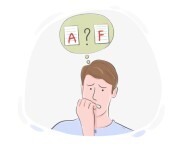
to make someone feel nervous or uncomfortable, often by surprising or overwhelming them
zmieszać, zdenerwować
Nagła zmiana planów zdezorientowała skrupulatnego planistę, pozostawiając go zdezorientowanym.

to cause someone difficulty or hardship, particularly financial struggles or emotional turmoil
dręczyć, martwić
Niepowodzenie przedsięwzięcia zdołowało przedsiębiorcę, który zainwestował wszystkie swoje oszczędności.

to greatly shock or surprise someone
zdumieć, zaskoczyć
Nieoczekiwana zapowiedź awansu zdumiała pracownika, który nigdy nie wyobrażał sobie takiego uznania.
to shock or horrify someone, causing them to feel alarmed or deeply unpleasantly surprised
przerażać, szokować
Okrucieństwo wobec zwierząt w dokumencie wstrząsnęło widzami, wywołując wezwania do zmian.
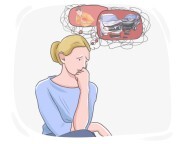
to cause severe emotional distress or psychological harm to someone, often resulting in long-term effects
traumatyzować, zadawać uraz psychiczny
Nagła utrata ukochanej osoby zraniła ją, prowadząc do miesięcy żałoby i depresji.
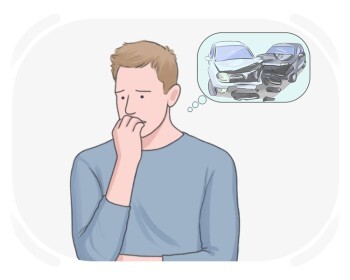
to cause someone to worry
niepokoić, martwić
Pogorszenie się jego zdrowia zaniepokoiło jego rodzinę, skłaniając ich do zasięgnięcia porady lekarskiej.
