
Sciences ACT - Science Médicale
Apprenez le vocabulaire scientifique de l'ACT pour les sciences médicales, y compris la santé, le diagnostic, le traitement, les systèmes corporels, la recherche clinique et les processus et concepts médicaux courants.
Réviser
Flashcards
Orthographe
Quiz

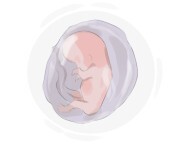
an unhatched or unborn offspring in the process of development, especially a human offspring roughly from the second to the eighth week after fertilization

embryon
L'échographie a montré le petit battement de cœur de l'embryon, indiquant un stade précoce de grossesse en bonne santé.

related to the process of growth, progress, or improvement over time
de croissance, de développement
Ses étapes développementales indiquent des progrès dans les compétences cognitives et motrices.
related to or resembling lymph or the tissues where lymphocytes, a type of white blood cell, are produced
lymphoïde, lymphatique
Les tissus lymphoïdes sont essentiels pour la production et la maturation des cellules immunitaires.
the body's defensive reaction to foreign substances, such as bacteria, viruses, or toxins, involving the activation of immune cells and the production of antibodies
réponse immunitaire, réaction immunitaire
Les allergies sont souvent le résultat d'une réponse immunitaire hyperactive à des substances inoffensives comme le pollen.
a medicine without any physiological effect that is given to a control group in an experiment to measure the effectiveness of a new drug or to patients who think they need medicine when in reality they do not
placebo
Le groupe placebo n'a montré aucune amélioration des symptômes par rapport au groupe de traitement, ce qui indique l'efficacité du médicament.
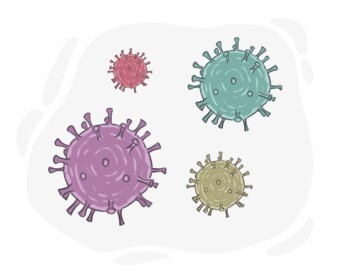
any organism that can cause diseases
agent pathogène
Les vaccins sont conçus pour protéger contre des pathogènes spécifiques en stimulant le système immunitaire à les reconnaître et à les combattre.
a stage of sleep characterized by rapid eye movements, vivid dreaming, and muscle paralysis, important for cognitive restoration and memory consolidation
mouvement oculaire rapide, sommeil paradoxal
Le sommeil mouvement oculaire rapide est crucial pour le traitement émotionnel et la consolidation de la mémoire.
the thickening and scarring of connective tissue, usually as a result of injury or long-term inflammation
fibrose, sclérose
La fibrose pulmonaire provoque des difficultés respiratoires dues à la cicatrisation du tissu pulmonaire.
the tendency of an organism or cell to regulate its internal environment and maintain a stable, balanced condition, despite external changes
homéostasie, équilibre interne
La régulation des niveaux de glucose dans le sang par l'insuline et le glucagon est un aspect clé de l'homéostasie métabolique.
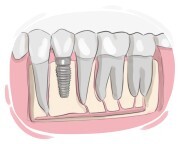
to insert a living tissue or an artificial object into the body via medical procedure
implanter
Les implants dentaires sont couramment utilisés pour remplacer les dents manquantes en insérant chirurgicalement des racines dentaires artificielles dans l'os de la mâchoire.
an examination of a deceased person's organs to determine the cause of death
autopsie
Les autopsies sont réalisées en mettant l'accent sur la précision et la minutie.

related to the production, use, or sale of medicines
pharmaceutique
De nombreux pays ont des réglementations pour garantir la qualité et la sécurité des produits pharmaceutiques.
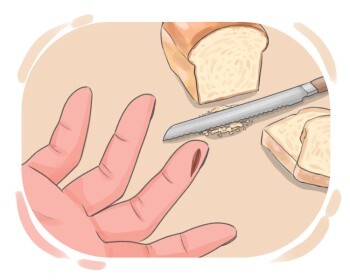
an injury or wound to living tissue, often involving a cut, break, or trauma to the skin
lésion, blessure
Le médecin a nettoyé la lésion avant d'appliquer un pansement.
relating to the phase of the heartbeat when the heart muscle contracts and pumps blood into the arteries
systolique
L'exercice peut aider à réduire la pression artérielle systolique avec le temps.
a medical treatment that uses bacteriophages, or viruses that specifically target and kill bacteria, to combat bacterial infections
phagothérapie, traitement par bactériophages
(of medicine) related to actions that heal, alleviate, or prevent health issues
thérapeutique
Le médecin a prescrit des exercices thérapeutiques pour la rééducation.
a secondary effect of any drug or medicine, usually an undesirable one
effet secondaire
Le médecin a expliqué que chaque médicament comporte un risque d'effets secondaires, c'est pourquoi il est important de surveiller étroitement les patients après le début d'un nouveau traitement.
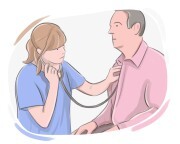
to find out the cause of a problem or disease that a person has by examining the symptoms
diagnostiquer
Grâce à un examen attentif, les professionnels de la santé peuvent diagnostiquer la cause profonde des symptômes.
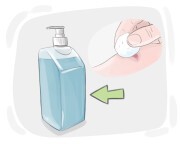
a substance that prevents infection when applied to a wound, especially by killing bacteria
antiseptique
L'infirmière a utilisé un antiseptique pour stériliser les instruments chirurgicaux avant l'opération.
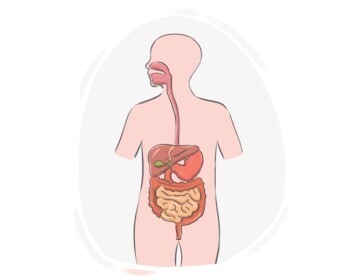
the group of organs inside the body that absorb the food and pass the waste
système digestif
L'absorption se produit principalement dans l'intestin grêle, un composant vital du système digestif, où les nutriments pénètrent dans la circulation sanguine.
containing beneficial bacteria or microorganisms, often used to promote digestive health or balance within the body
probiotique, contenant des bactéries bénéfiques
Le médecin de Tom a recommandé un supplément probiotique pour améliorer sa santé intestinale.

to clean something thoroughly to reduce or eliminate germs, bacteria, or other harmful microorganisms
assainir, désinfecter
Les restaurants assainissent les tables et les chaises entre les clients pour garantir un environnement de restauration propre.
related to the process of breathing and the organs involved in it, such as the lungs and airways
respiratoire
Le système respiratoire est composé d'organes tels que le nez, la trachée, les bronches et les poumons, responsables des échanges d'oxygène.
a numerical measure of an individual's body fat based on their weight and height, often used to assess and categorize body weight in relation to health
indice de masse corporelle, IMC
Maintenir un indice de masse corporelle sain est associé à un risque moindre de certaines affections.
related to the period occurring or existing before birth, specifically in relation to the development and care of the fetus during pregnancy
prénatal, anténatal
Le médecin surveille la santé du bébé grâce à des examens prénatals réguliers.
relating to pregnancy or the period of carrying offspring in the womb
gestationnel, relatif à la gestation
Le médecin a discuté de l'âge gestationnel du fœtus pendant l'échographie.
mucus or phlegm that is coughed up from the respiratory tract, typically as a result of infection or disease
crachat, expectoration
La couleur et la consistance des crachats peuvent fournir des indices sur l'état respiratoire sous-jacent.
the thick mucus that is formed in the nasal and throat cavities, usually secreted in excessive amounts as a result of common cold
flegme
Boire beaucoup de liquides peut aider à fluidifier le mucus, ce qui facilite son expulsion des voies respiratoires.
a scientist specializing in the study of drugs, their effects on biological systems, and their development for therapeutic purposes
pharmacologue, spécialiste en pharmacologie
Les pharmacologues étudient comment les médicaments interagissent avec les voies cellulaires pour traiter efficacement les maladies.
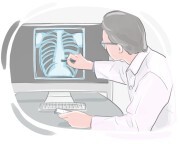
a medical specialist who specializes in diagnosing and treating injuries using radioactive substances and X-rays
radiologue
a medical professional who specializes in studying and diagnosing diseases by examining tissues, cells, and bodily fluids
pathologiste
Pathologistes aident à identifier des maladies comme le cancer en étudiant des cellules et des tissus au microscope.
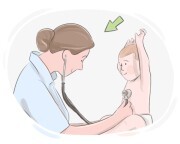
a doctor who specializes in the treatment of children
pédiatre
Le pédiatre a diagnostiqué un rhume chez l'enfant et a recommandé du repos et des liquides.
a medical imaging technique that uses a small amount of radioactive tracer material to diagnose and monitor diseases such as cancer, heart disease, and neurological disorders
tomographie par émission de positons, TEP
Les médecins ont recommandé une tomographie par émission de positons pour évaluer l'étendue de la croissance tumorale dans ses poumons.
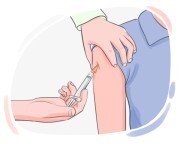
the process of boosting the immunity system of a person or animal against a disease by vaccination
inoculation
a condition where the immune system is weakened, making the person more vulnerable to infections and illnesses
immunodéficience
Les personnes souffrant d'immunodéficience peuvent avoir besoin de prendre des précautions supplémentaires pour éviter l'exposition aux maladies contagieuses.
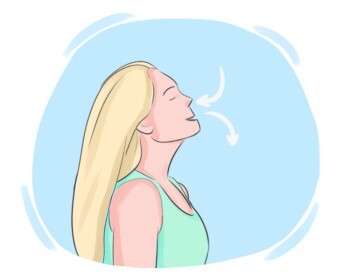
(anatomy) the act or process of breathing
respiration
Le diaphragme joue un rôle crucial dans le processus de respiration, se contractant et se relaxant pour faciliter la respiration.
a drug that makes one feel stronger, healthier, or better, particularly used to treat exhaustion
tonique
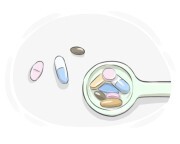
to give medicine, a drug, or medical treatment to someone
administrer
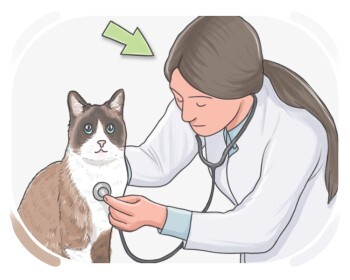
a doctor who is trained to treat animals
vétérinaire
Le vétérinaire a examiné le chien blessé et a administré un traitement approprié.
able to promote or restore one's health or strength
reconstituant
Le médicament avait des effets restaurateurs purs en aidant à son rétablissement de la maladie en atténuant les symptômes et en retrouvant la force perdue.
the natural biological process that marks the end of a woman's menstrual cycles, typically occurring around the age of 50
ménopause
Le traitement hormonal substitutif peut soulager les symptômes associés à la ménopause.
related to an infection or having the ability to cause an infection
infectieux, contagieux
Les agents infectieux comme les virus et les champignons prospèrent dans les environnements chauds et humides.
designed to stop something harmful from happening, especially related to health or diseases
préventif, prophylactique
L'exercice régulier peut être une mesure préventive puissante contre les maladies cardiaques.

relating to the study and treatment of mental illness
psychiatrique
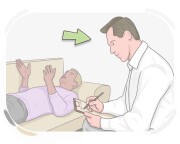
a professional who studies the mind, emotions, and behavior, sometimes applying this knowledge to assessment or treatment
psychologue
a vitamin that helps keep the body cells healthy and supports the immune system, commonly found in fruits like orange and vegetables like tomatoes
acide ascorbique, vitamine C
L'acide ascorbique est abondant dans les fraises, contribuant à leurs bienfaits pour la santé.
the impaired or abnormal functioning of an organ, system, or biological process, often resulting in diminished efficiency or health consequences
dysfonctionnement, malfonction
La dysfonction de l'insuline est une caractéristique du diabète sucré, provoquant des niveaux de glucose sanguin irréguliers.
