
Wetenschappen ACT - Medische Wetenschap
Leer ACT-wetenschapsvocabulaire voor medische wetenschap, inclusief gezondheid, diagnose, behandeling, lichaamsystemen, klinisch onderzoek en veelvoorkomende medische processen en concepten.
Herzien
Flashcards
Spelling
Quiz

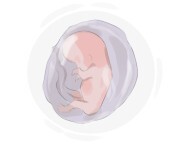
an unhatched or unborn offspring in the process of development, especially a human offspring roughly from the second to the eighth week after fertilization

embryo, foetus
Onderzoekers bestuderen embryo's om de vroege stadia van menselijke ontwikkeling en aangeboren aandoeningen beter te begrijpen.

related to the process of growth, progress, or improvement over time
ontwikkelings-, gerelateerd aan ontwikkeling
Ontwikkelingspsychologie bestudeert hoe individuen veranderen en ontwikkelen gedurende hun leven.
related to or resembling lymph or the tissues where lymphocytes, a type of white blood cell, are produced
lymfoïde, lymfeklier-
De biopsie onthulde een abnormale groei in het lymfoïde weefsel, wat nader onderzoek vereist.
the body's defensive reaction to foreign substances, such as bacteria, viruses, or toxins, involving the activation of immune cells and the production of antibodies
immuunrespons, immuunreactie
Onderzoekers bestuderen hoe verschillende diëten de immuunrespons op infecties kunnen beïnvloeden.
a medicine without any physiological effect that is given to a control group in an experiment to measure the effectiveness of a new drug or to patients who think they need medicine when in reality they do not
placebo, placebomedicijn
Sommige patiënten meldden zich beter te voelen na het innemen van het placebo, wat de kracht van de geest in genezing benadrukt.
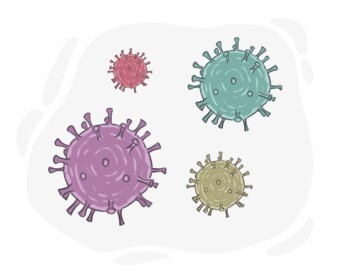
any organism that can cause diseases
pathogeen, ziekteverwekker
De onderzoekers identificeerden een nieuw viraal pathogeen dat de uitbraak van luchtwegaandoeningen in de gemeenschap veroorzaakte.
a stage of sleep characterized by rapid eye movements, vivid dreaming, and muscle paralysis, important for cognitive restoration and memory consolidation
snelle oogbeweging, paradoxale slaap
De psycholoog bestudeerde de relatie tussen rapid eye movement slaappatronen en stemmingsstoornissen.
the thickening and scarring of connective tissue, usually as a result of injury or long-term inflammation
fibrose, sclerose
Vroege detectie van fibrose is cruciaal voor effectieve behandeling en beheer.
the tendency of an organism or cell to regulate its internal environment and maintain a stable, balanced condition, despite external changes
homeostase, intern evenwicht
De ademhalingsfrequentie past zich aan om de balans van zuurstof en koolstofdioxide in het lichaam te handhaven, wat respiratoire homeostase aantoont.
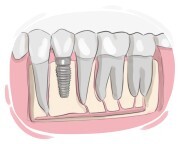
to insert a living tissue or an artificial object into the body via medical procedure
implanteren, inplanten
De arts beval aan om een stent te implanteren om de bloedstroom door de vernauwde slagader te verbeteren.
an examination of a deceased person's organs to determine the cause of death
autopsie, postmortem onderzoek
Mijn familie stemde in met een autopsie om de oorzaak van het plotselinge overlijden van onze geliefde te begrijpen.
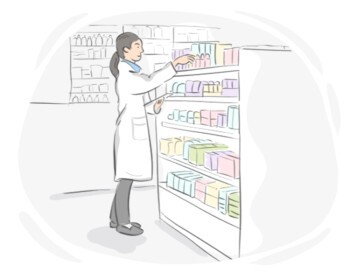
related to the production, use, or sale of medicines
farmaceutisch, geneesmiddelen-
Farmaceutische advertenties benadrukken vaak de voordelen en mogelijke bijwerkingen.
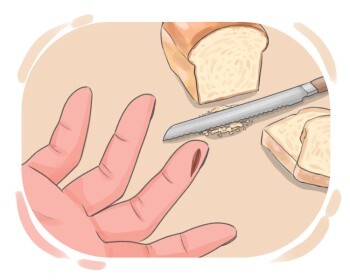
an injury or wound to living tissue, often involving a cut, break, or trauma to the skin
laesie, letsel
Letsels veroorzaakt door brandwonden kunnen weken duren om te genezen.
relating to the phase of the heartbeat when the heart muscle contracts and pumps blood into the arteries
systolisch
Er werd een systolisch geruis gedetecteerd tijdens het hartonderzoek.
a medical treatment that uses bacteriophages, or viruses that specifically target and kill bacteria, to combat bacterial infections
fagotherapie, behandeling met bacteriofagen
(of medicine) related to actions that heal, alleviate, or prevent health issues
therapeutisch
Therapeutische interventies zijn gericht op het verbeteren van de geestelijke gezondheid.
a secondary effect of any drug or medicine, usually an undesirable one
bijwerking
Na het innemen van het antibioticum kreeg hij een milde bijwerking in de vorm van maagklachten, wat hem ertoe aanzette zijn zorgverlener om advies te bellen.
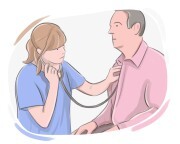
to find out the cause of a problem or disease that a person has by examining the symptoms
diagnosticeren, vaststellen van de oorzaak
Dierenartsen gebruiken hun expertise om ziekten bij dieren te diagnosticeren.
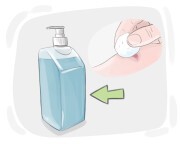
a substance that prevents infection when applied to a wound, especially by killing bacteria
antisepticum, desinfectiemiddel
Het is belangrijk om antisepticum te gebruiken bij de behandeling van kleine brandwonden om bacteriegroei te voorkomen.
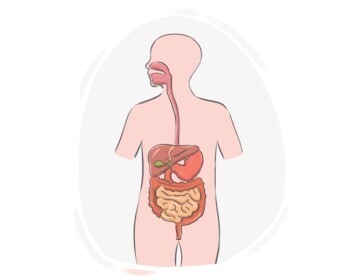
the group of organs inside the body that absorb the food and pass the waste
spijsverteringsstelsel, verteringssysteem
Afvalproducten worden vervolgens verwerkt in het spijsverteringsstelsel, uiteindelijk geëlimineerd via de dikke darm.
containing beneficial bacteria or microorganisms, often used to promote digestive health or balance within the body
probiotisch, bevattende heilzame bacteriën
Jack's voedingsdeskundige stelde voor om probiotische dranken in zijn dagelijkse routine op te nemen om de spijsvertering te helpen.

to clean something thoroughly to reduce or eliminate germs, bacteria, or other harmful microorganisms
desinfecteren, reinigen
Tijdens het griepseizoen is het een goed idee om vaak aangeraakte oppervlakken zoals deurklinken en lichtschakelaars te desinfecteren.
related to the process of breathing and the organs involved in it, such as the lungs and airways
respiratoir
Sigarettenrook kan ademhalingsproblemen veroorzaken en het risico op longkanker en andere ziekten verhogen.
a numerical measure of an individual's body fat based on their weight and height, often used to assess and categorize body weight in relation to health
body mass index, BMI
Een hoge body mass index kan wijzen op een verhoogde kans op gezondheidsproblemen gerelateerd aan obesitas.
related to the period occurring or existing before birth, specifically in relation to the development and care of the fetus during pregnancy
prenataal, voor de geboorte
Goede prenatale zorg draagt bij aan het algehele welzijn van zowel moeder als baby.
relating to pregnancy or the period of carrying offspring in the womb
zwangerschaps-, gerelateerd aan zwangerschap
Ze ervoer zwangerschapshypertensie tijdens haar derde trimester.
mucus or phlegm that is coughed up from the respiratory tract, typically as a result of infection or disease
sputum, slijm
Chronische bronchitis wordt gekenmerkt door de overmatige productie van sputum.
the thick mucus that is formed in the nasal and throat cavities, usually secreted in excessive amounts as a result of common cold
slijm, fluim
Roken kan de productie van slijm verergeren en leiden tot chronische bronchitis en ademhalingsproblemen.
a scientist specializing in the study of drugs, their effects on biological systems, and their development for therapeutic purposes
farmacoloog, specialist in farmacologie
Onderzoekers werken samen met farmacologen om klinische onderzoeken te ontwerpen die de werkzaamheid van geneesmiddelen bij menselijke proefpersonen beoordelen.
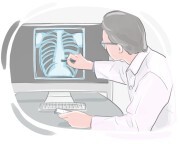
a medical specialist who specializes in diagnosing and treating injuries using radioactive substances and X-rays
radioloog, specialist radiologie
a medical professional who specializes in studying and diagnosing diseases by examining tissues, cells, and bodily fluids
patholoog
Als u een biopsie of bloedtest heeft, analyseert een patholoog de monsters voor inzichten in de gezondheid.
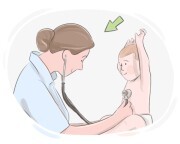
a doctor who specializes in the treatment of children
kinderarts, pediater
Ze raadpleegden een kinderarts om hun zorgen over de groei en ontwikkeling van hun tiener aan te pakken.
a medical imaging technique that uses a small amount of radioactive tracer material to diagnose and monitor diseases such as cancer, heart disease, and neurological disorders
positronemissietomografie, PET
Beeldvorming met positronemissietomografie is waardevol voor de vroege detectie van de ziekte van Alzheimer.
(of medical procedures) comprising cutting into the body or body cavities
invasief, binnendringend
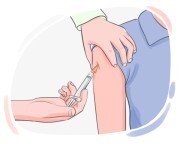
the process of boosting the immunity system of a person or animal against a disease by vaccination
inoculatie, vaccinatie
a condition where the immune system is weakened, making the person more vulnerable to infections and illnesses
immunodeficiëntie
Sarah's terugkerende infecties wezen op een immunodeficiëntie die medische aandacht vereiste.
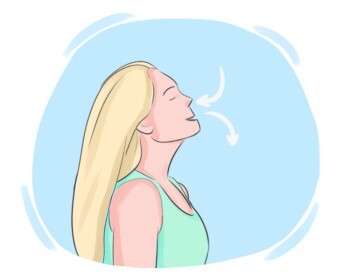
(anatomy) the act or process of breathing
ademhaling
Zuurstof wordt tijdens het proces van ademhaling van de longen naar de bloedbaan getransporteerd.
a drug that makes one feel stronger, healthier, or better, particularly used to treat exhaustion
tonicum, versterkend middel
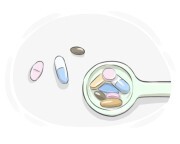
to give medicine, a drug, or medical treatment to someone
toedienen, geven
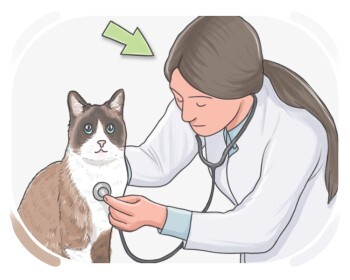
a doctor who is trained to treat animals
dierenarts, veterinair arts
De dierenarts voerde een operatie uit op de kat om een tumor te verwijderen.
able to promote or restore one's health or strength
herstellend, regenererend
Een paar dagen binnen blijven had puur herstellende voordelen bij het herstellen van ziekte door tekorten terug te brengen naar de basisgezondheid.
the natural biological process that marks the end of a woman's menstrual cycles, typically occurring around the age of 50
menopauze
De arts besprak de implicaties van vroege menopauze als gevolg van chirurgische ingreep.
related to an infection or having the ability to cause an infection
infectieus, besmettelijk
Symptomen van een infectieuze ziekte omvatten vaak koorts, koude rillingen en vermoeidheid.
designed to stop something harmful from happening, especially related to health or diseases
preventief, profylactisch
Veel mensen nemen vitamine C als een preventieve stap om hun immuunsysteem te versterken.
relating to the study and treatment of mental illness
psychiatrisch, gerelateerd aan psychiatrie
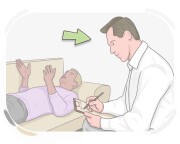
a professional who studies the mind, emotions, and behavior, sometimes applying this knowledge to assessment or treatment
psycholoog, psychologe
a vitamin that helps keep the body cells healthy and supports the immune system, commonly found in fruits like orange and vegetables like tomatoes
ascorbinezuur, vitamine C
Paprika's zijn een kleurrijke bron van ascorbinezuur.
the impaired or abnormal functioning of an organ, system, or biological process, often resulting in diminished efficiency or health consequences
dysfunctie, stoornis
Dysfunctie in het cardiovasculaire systeem kan leiden tot aandoeningen zoals aritmieën of hartfalen.
