

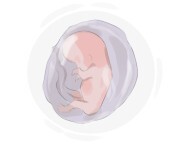
an unhatched or unborn offspring in the process of development, especially a human offspring roughly from the second to the eighth week after fertilization

胚, 胎児
妊娠初期の間、人間の胚は急速な細胞分裂と分化を経て、重要な器官を形成します。

related to the process of growth, progress, or improvement over time
発達の, 開発に関連する
プロジェクトの開発段階は、研究と計画に焦点を当てています。
related to or resembling lymph or the tissues where lymphocytes, a type of white blood cell, are produced
リンパ様, リンパの
脾臓やリンパ節などのリンパ系器官は、免疫系において重要な役割を果たしています。
the body's defensive reaction to foreign substances, such as bacteria, viruses, or toxins, involving the activation of immune cells and the production of antibodies
免疫応答, 免疫反応
ワクチンは、ウイルスに対する耐性を構築するために免疫応答を刺激することで機能します。
a medicine without any physiological effect that is given to a control group in an experiment to measure the effectiveness of a new drug or to patients who think they need medicine when in reality they do not
プラセボ, プラセボ薬
臨床試験では、参加者の半数が実験薬を受け取り、残りの半数がプラセボを受け取りました。
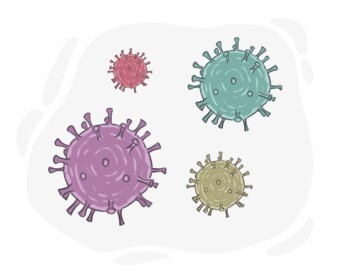
any organism that can cause diseases
病原体, 病原菌
検査室のテストは、患者の重度の食中毒の原因となる細菌性病原体の存在を確認しました。
a stage of sleep characterized by rapid eye movements, vivid dreaming, and muscle paralysis, important for cognitive restoration and memory consolidation
急速眼球運動, 逆説睡眠
急速眼球運動睡眠中、脳の活動は覚醒時と似ていますが、筋肉は動きません。
the thickening and scarring of connective tissue, usually as a result of injury or long-term inflammation
線維症, 硬化症
慢性肝炎は、時間の経過とともに肝臓の線維症を引き起こす可能性があります。
the tendency of an organism or cell to regulate its internal environment and maintain a stable, balanced condition, despite external changes
ホメオスタシス, 内部平衡
体温を下げるために汗をかくことは、外部の熱に対する恒常性の一例です。
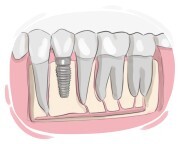
to insert a living tissue or an artificial object into the body via medical procedure
移植する, 埋め込む
外科医は患者の心拍を調整するためにペースメーカーを首尾よく埋め込みました。
an examination of a deceased person's organs to determine the cause of death
解剖, 死後検査
死因を調査し特定するために剖検は不可欠です。
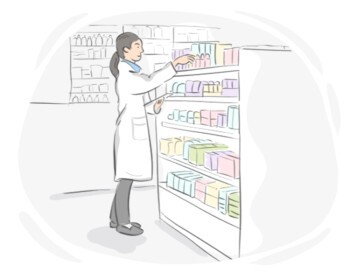
related to the production, use, or sale of medicines
製薬の, 医薬品の
その製薬会社はアレルギー治療のための新しい薬を開発しました。
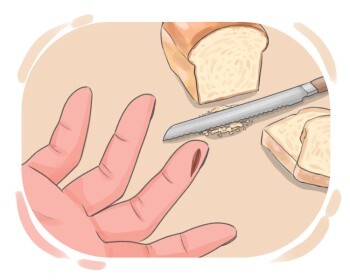
an injury or wound to living tissue, often involving a cut, break, or trauma to the skin
病変, 損傷
患者の前腕に小さな損傷がありました。
relating to the phase of the heartbeat when the heart muscle contracts and pumps blood into the arteries
収縮期の
医師は患者の診察中に高い収縮期血圧の測定値を記録しました。
a medical treatment that uses bacteriophages, or viruses that specifically target and kill bacteria, to combat bacterial infections
ファゴセラピー, バクテリオファージ治療
(of medicine) related to actions that heal, alleviate, or prevent health issues
治療の
治療的な治療は、治癒と回復に焦点を当てています。
a secondary effect of any drug or medicine, usually an undesirable one
副作用
新しい薬は彼女の症状を効果的に管理したが、彼女は吐き気や疲労を含む潜在的な副作用について心配していた。
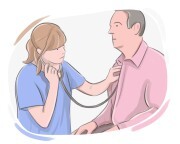
to find out the cause of a problem or disease that a person has by examining the symptoms
診断する, 原因を特定する
医師はさまざまな検査を使用して、医療状態を正確に診断します。
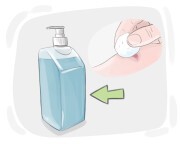
a substance that prevents infection when applied to a wound, especially by killing bacteria
消毒薬, 殺菌剤
彼女は感染を防ぐために包帯を貼る前に切り傷を消毒液で清潔にしました。
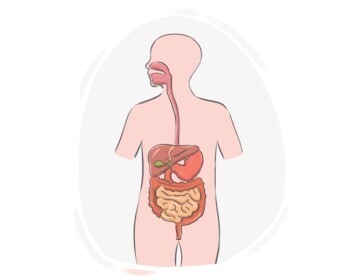
the group of organs inside the body that absorb the food and pass the waste
消化器系, 消化システム
胃炎やクローン病などの消化器系の障害は、全体的な健康と幸福に大きな影響を与える可能性があります。
containing beneficial bacteria or microorganisms, often used to promote digestive health or balance within the body
プロバイオティクス, 有益な細菌を含む
サラは消化器系をサポートするために定期的にプロバイオティクス入りヨーグルトを摂取しています。
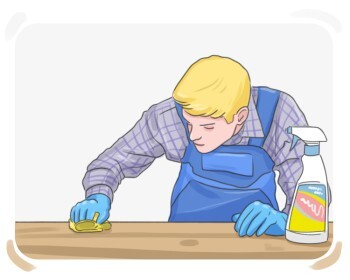
to clean something thoroughly to reduce or eliminate germs, bacteria, or other harmful microorganisms
消毒する, 除菌する
生肉を準備した後、交差汚染を防ぐためにまな板を消毒することが重要です。
related to the process of breathing and the organs involved in it, such as the lungs and airways
呼吸の
風邪や肺炎などの呼吸器感染症は、気道と肺に影響を与えます。
a numerical measure of an individual's body fat based on their weight and height, often used to assess and categorize body weight in relation to health
ボディマス指数, BMI
医師は患者の全体的な健康状態を評価するためにボディマス指数を計算しました。
related to the period occurring or existing before birth, specifically in relation to the development and care of the fetus during pregnancy
出生前の, 産前の
胎児の発育をサポートするために、妊婦には出生前のビタミンが推奨されています。
relating to pregnancy or the period of carrying offspring in the womb
妊娠の, 妊娠に関連する
妊娠糖尿病は、妊娠中に発生する糖尿病の一形態です。
mucus or phlegm that is coughed up from the respiratory tract, typically as a result of infection or disease
痰, 粘液
医師は患者に、検査室での分析のために痰のサンプルを提供するよう求めました。
the thick mucus that is formed in the nasal and throat cavities, usually secreted in excessive amounts as a result of common cold
痰, 粘液
風邪はしばしば痰の産生を増加させ、鼻づまりや咳を引き起こします。
a scientist specializing in the study of drugs, their effects on biological systems, and their development for therapeutic purposes
薬理学者, 薬理学の専門家
薬理学者は、新薬候補の有効性と安全性を評価するために実験を行った。
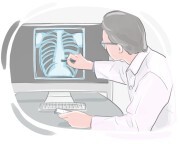
a medical specialist who specializes in diagnosing and treating injuries using radioactive substances and X-rays
放射線科医, 放射線専門医
a medical professional who specializes in studying and diagnosing diseases by examining tissues, cells, and bodily fluids
病理学者
病理学者は、疾患の原因と性質を理解する上で重要な役割を果たします。
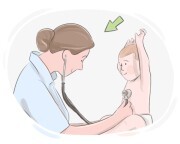
a doctor who specializes in the treatment of children
小児科医, 子供の医者
彼女は赤ちゃんを定期健診と予防接種のために小児科医に連れて行った。
a medical imaging technique that uses a small amount of radioactive tracer material to diagnose and monitor diseases such as cancer, heart disease, and neurological disorders
陽電子放出断層撮影, PET
陽電子放出断層撮影により、脳内の代謝活動の増加を示すホットスポットが明らかになりました。
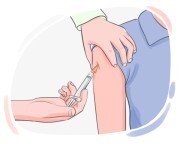
the process of boosting the immunity system of a person or animal against a disease by vaccination
接種, 予防接種
a condition where the immune system is weakened, making the person more vulnerable to infections and illnesses
免疫不全
免疫不全障害は遺伝性または後天性であり、体の感染症と戦う能力に影響を与えます。
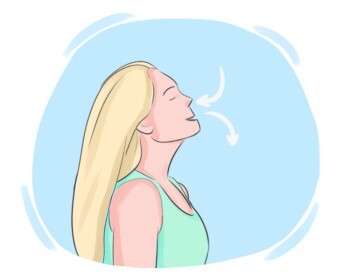
(anatomy) the act or process of breathing
呼吸
呼吸は、肺による酸素の取り込みと二酸化炭素の放出を含みます。
a drug that makes one feel stronger, healthier, or better, particularly used to treat exhaustion
強壮剤, 滋養強壮薬
to give someone medicine, drugs, etc.
投与する, 与える
看護師は患者に薬を慎重に投与し、正しい用量が与えられていることを確認しました。
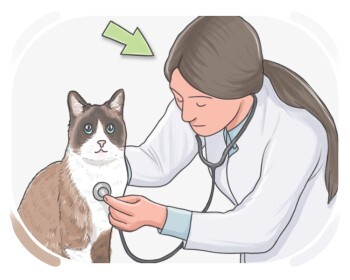
a doctor who is trained to treat animals
獣医, 動物医
彼女は地元の動物クリニックで獣医として20年以上働いています。
able to promote or restore one's health or strength
回復させる, 再生する
理学療法のエクササイズは、けが後の膝の力を取り戻すのに回復の目的を果たしました。
the natural biological process that marks the end of a woman's menstrual cycles, typically occurring around the age of 50
閉経
多くの女性が更年期にホットフラッシュや気分の変動を経験します。
related to an infection or having the ability to cause an infection
感染性の, 伝染性の
感染性の細菌は汚染された水供給を通じて急速に広がります。
designed to stop something harmful from happening, especially related to health or diseases
予防の, 防止の
医師は今シーズンのインフルエンザを避けるために予防ワクチンを勧めました。
relating to the study and treatment of mental illness
精神医学の, 精神医学に関連する
彼女は不安障害を管理するために精神医学的な助けを求めた。
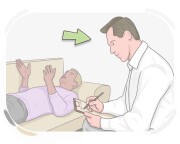
a professional who studies behavior and mental processes to understand and treat psychological disorders and improve overall mental health
心理学者, 心理学の専門家
心理学者は不安やうつ病に苦しむ患者に助言をしました。
a vitamin that helps keep the body cells healthy and supports the immune system, commonly found in fruits like orange and vegetables like tomatoes
アスコルビン酸, ビタミンC
オレンジには、ビタミンCとしても知られる大量のアスコルビン酸が含まれています。
the impaired or abnormal functioning of an organ, system, or biological process, often resulting in diminished efficiency or health consequences
機能障害, 機能不全
慢性的なストレスは免疫システムの機能不全を引き起こし、個人を感染症に対してより脆弱にすることがあります。
